Your cart is currently empty!
You may check out all the available trips and book one that suits you.
Continue Browsing Trips
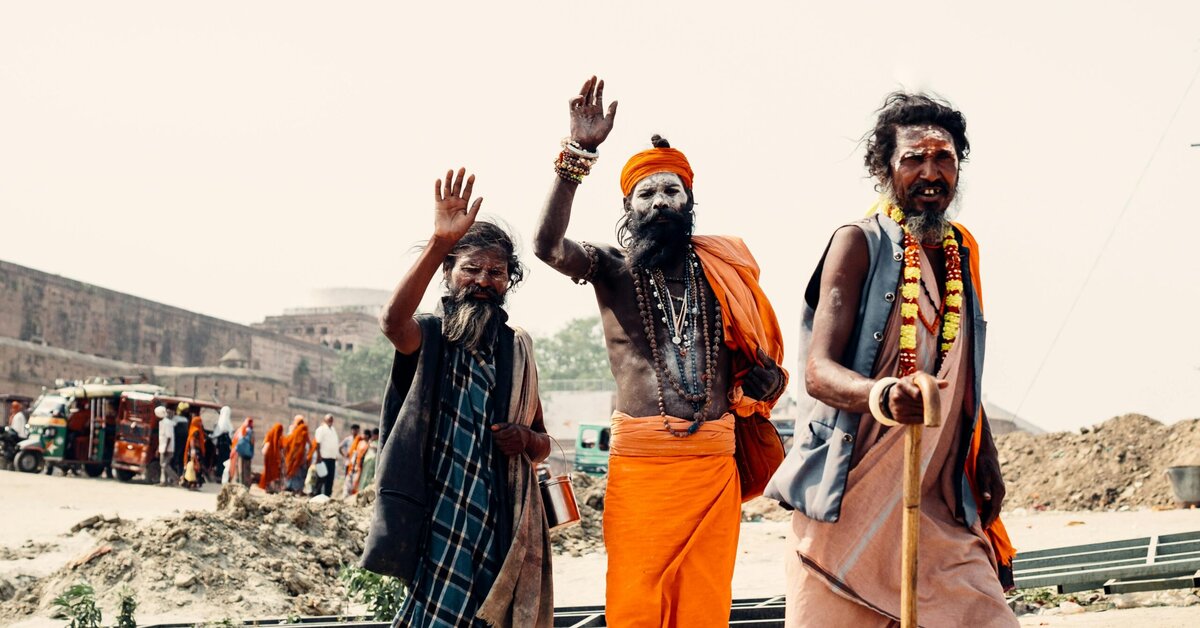
Exclusive Pilgrimage Package Prayagraj + Varanasi , Imagine standing where the Ganga River flows through its most sacred stretch, witnessing rituals unchanged for thousands of years, and experiencing the spiritual energy that has drawn seekers from across the world. Now imagine multiplying that experience by visiting not one but two of Hinduism’s holiest cities in a single, thoughtfully designed pilgrimage journey. This is exactly what the exclusive Prayagraj and Varanasi combined package offers.
Exclusive Pilgrimage Package Prayagraj +Varanasi, also known as Kashi or Benares, represents the eternal city in Hindu cosmology—a place so sacred that dying here is believed to grant instant liberation from the cycle of rebirth. Just 130 kilometers away lies Prayagraj, home to the Triveni Sangam where three holy rivers converge in a confluence considered among Hinduism’s most auspicious locations. Together, these cities form the heart of Hindu spiritual geography, destinations that devout pilgrims aspire to visit at least once in their lifetime.
An exclusive combined package doesn’t just visit these cities—it weaves them into a cohesive spiritual narrative. You experience the complementary aspects of Hindu devotion: Varanasi’s ancient temples and continuous worship traditions alongside Prayagraj’s sacred waters and confluence rituals. This isn’t tourism—it’s pilgrimage in its truest sense, designed for those seeking genuine spiritual experiences rather than superficial sightseeing.
VIP Sugam Darshan passes, verified outstation cabs, Ganga aarti boat allocations, and clean hotel stays — fully coordinated by our on-ground team.

Exclusive Pilgrimage Package Prayagraj + Varanasi , The Ganga River serves as the connecting thread between these two cities, but it manifests differently in each location. In Varanasi, the Ganga curves in a crescent, creating the famous ghats where the city’s spiritual life unfolds. Here, the river serves as witness to life’s most profound moments—births, deaths, and everything between.
In Prayagraj, the Ganga meets the Yamuna and the mythical Saraswati, creating the Triveni Sangam. This confluence represents not just geographical meeting but cosmic significance—the union of different energies, the balance of opposing forces, and the sacred geometry that Hindu philosophy recognizes throughout creation.
Experiencing both locations provides complete understanding of the Ganga’s spiritual significance. You witness the river as site of continuous worship in Varanasi, then travel to where it merges with other sacred waters in Prayagraj. This journey along the holy river creates narrative coherence, transforming separate visits into unified pilgrimage.
Traditional Hindu pilgrimage circuits recognize certain combinations as particularly auspicious. Visiting Varanasi and Prayagraj together constitutes one such combination, addressed in ancient texts and recommended by spiritual authorities across centuries. Completing this circuit is believed to accumulate tremendous spiritual merit.
The two cities complement each other perfectly. Varanasi emphasizes Lord Shiva worship, featuring the famous Kashi Vishwanath Temple among thousands of smaller shrines. Prayagraj’s spiritual focus centers on the sacred rivers themselves, though it also houses important temples. Together, they provide exposure to different devotional paths within Hinduism’s vast religious landscape.
For serious pilgrims, visiting one without the other feels incomplete. The proximity—just a few hours’ travel—makes combining them logistically sensible. Exclusive packages eliminate the planning complexity, creating seamless experiences that honor both cities’ spiritual significance while managing practical details efficiently.
Varanasi and Prayagraj are separated by approximately 130 kilometers (about 80 miles), making them easily combinable in multi-day pilgrimage packages. The journey between cities typically takes 2.5 to 3.5 hours depending on the route chosen and traffic conditions.
This manageable distance means you can comfortably spend multiple days in each city without exhausting travel time dominating your pilgrimage. Unlike combinations requiring lengthy flights or overnight journeys, the Varanasi-Prayagraj circuit maintains momentum while allowing adequate time for meaningful spiritual experiences in both locations.
The relatively short distance also enables flexibility. If you find one city particularly meaningful and wish to extend your stay, adjustments don’t require major itinerary restructuring. This proximity creates ideal conditions for relaxed, unhurried pilgrimage rather than rushed tourism.
Multiple transportation options connect the two cities, with exclusive packages typically providing private, air-conditioned vehicles offering optimal comfort and flexibility. Private cars or SUVs accommodate small groups, while larger vans suit families or groups traveling together.
The route follows national highways in generally good condition, making the journey comfortable despite the distance. Your private vehicle becomes a mobile sanctuary where you can rest, discuss experiences with travel companions, or reflect on spiritual encounters without the crowding and unpredictability of public transportation.
Some pilgrims prefer train travel between cities, which takes similar time and offers different perspectives on the landscape and local life. Exclusive packages can incorporate train journeys if preferred, arranging comfortable class bookings and coordinating station pickups seamlessly. The choice depends on personal preference and group dynamics.
Your pilgrimage typically begins in Varanasi, with arrival either by flight to Lal Bahadur Shastri International Airport or by train to Varanasi Junction. Transfer to your hotel near the ghats allows settling in before beginning spiritual activities. Most packages suggest afternoon rest after travel, followed by evening introduction to Varanasi’s spiritual atmosphere.
The first evening typically features attendance at the spectacular Ganga Aarti ceremony at Dashashwamedh Ghat. This elaborate ritual, performed daily at sunset, provides powerful introduction to Varanasi’s devotional traditions. The synchronized movements of multiple priests wielding enormous oil lamps, accompanied by bells, chants, and devotional songs, creates unforgettable sensory and spiritual impact.
After aarti, a gentle evening walk along the ghats introduces you to the city’s layout and atmosphere. Your guide explains the significance of various ghats, points out important temples, and begins sharing the stories and traditions that make Varanasi unique. This orientation prepares you for deeper exploration in coming days.
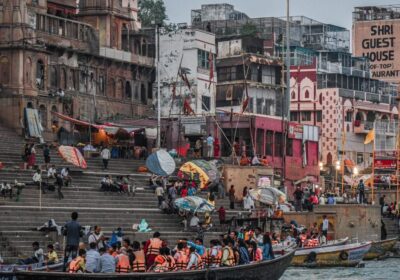
The second day typically begins before dawn with a boat ride on the Ganges during sunrise—arguably Varanasi’s most profound experience. As the sun rises over the river, the ghats come alive with thousands of devotees performing morning rituals. Witnessing this ancient cycle continuing unchanged through centuries provides visceral understanding of living spiritual tradition.
After returning for breakfast, morning focuses on temple visits, beginning with the golden-spired Kashi Vishwanath Temple, one of twelve Jyotirlingas and among Hinduism’s holiest Shiva shrines. The temple’s spiritual energy, architectural beauty, and constant flow of devotees create powerful impressions. Your guide assists with appropriate darshan procedures and explains the temple’s mythological and historical significance.
Afternoon might include visiting Sarnath, located just outside Varanasi, where Buddha delivered his first sermon after attaining enlightenment. This Buddhist holy site provides interesting counterpoint to the morning’s Hindu focus, showing how different spiritual traditions coexisted in this region. Evening again features Ganga Aarti, which rewards repeated attendance with deepening appreciation for its ritual complexity.
After breakfast, you depart Varanasi for Prayagraj, with the journey providing transition time between cities. The drive passes through rural Uttar Pradesh, offering glimpses of village life, agricultural landscapes, and roadside temples. Your guide might share stories connecting the two cities or explain regional cultural characteristics.
Arrival in Prayagraj by late morning or early afternoon allows check-in at your hotel before proceeding to the day’s highlight—the Triveni Sangam. The afternoon timing provides good light for observing the confluence’s distinct water colors while avoiding the intense heat of midday or the crowds of very early morning.
The boat journey to the exact confluence point, ritual participation at the meeting of three rivers, and time for prayers and reflection constitute the spiritual centerpiece of the Prayagraj portion. After returning to the ghats, you might witness evening aarti here as well, comparing Prayagraj’s ceremonies with Varanasi’s to understand regional variations in devotional practice.
The final day focuses on Prayagraj’s temples and cultural sites. Morning visits might include the reclining Hanuman at Hanuman Mandir, the sacred Akshaya Vat banyan tree within Allahabad Fort, and Mankameshwar Temple. These sites provide exposure to Prayagraj’s spiritual landscape beyond the Sangam.
Cultural elements often feature as well—Anand Bhawan museum offers fascinating insights into India’s independence movement, providing historical context that enriches understanding of the city beyond its religious significance. This balance between spiritual and historical experiences creates well-rounded pilgrimage.
Afternoon facilitates return journey to Varanasi for evening flights or overnight trains, or alternatively, direct departure from Prayagraj if your onward travel plans permit. The itinerary structure ensures you experience both cities’ essential spiritual offerings while maintaining comfortable pacing that prevents exhaustion.
The Ganga Aarti at Dashashwamedh Ghat represents one of Hinduism’s most visually spectacular and spiritually powerful public ceremonies. Seven priests perform synchronized rituals with massive five-tiered oil lamps, creating choreographed patterns of fire and light against the darkening sky. The ceremony typically lasts 45 minutes to an hour, during which devotional songs, bells, and chants fill the air.
Exclusive packages arrange optimal viewing positions—either reserved seating on platforms providing clear views without crowd crushing, or private boat positions on the river offering unique perspectives. From the water, you witness both the ceremony and the massive gathering of devotees on the ghat, understanding the aarti’s magnetic draw for thousands nightly.
The spiritual impact extends beyond visual spectacle. The aarti represents offered devotion to Mother Ganga, thanksgiving for her life-sustaining presence, and collective acknowledgment of the sacred in daily life. Participating—even as observer—connects you to centuries of continuous tradition and the millions who’ve stood in the same spot offering similar devotion.
The Kashi Vishwanath Temple houses one of twelve Jyotirlingas—naturally occurring or self-manifested Shiva lingams considered especially sacred. According to tradition, Varanasi is Shiva’s eternal abode, making this temple Hinduism’s spiritual epicenter for Shaivite devotees. The golden spire, visible across much of the old city, serves as visual anchor for the entire area.
Darshan procedures at this extremely popular temple can be complex, with long queues during peak times. Exclusive packages often arrange VIP darshan, significantly reducing wait times while ensuring you receive adequate time in the sanctum for prayers. This premium access transforms what could be stressful crowd management into peaceful devotional experience.
Beyond the main shrine, the temple complex contains numerous smaller shrines to various deities, creating a comprehensive spiritual ecosystem. Your guide explains the relationships between these deities, proper worship sequences, and the theological significance of various architectural elements. This education transforms temple visit from mere sightseeing to genuine cultural immersion.
The sunrise boat ride provides Varanasi’s most intimate and memorable experience. As dawn breaks, thousands of ghats come alive with devotees bathing, performing yoga, conducting prayers, and beginning daily rituals. Observing this timeless cycle from a gently drifting boat creates profound moments of reflection and connection.
The boat journey allows viewing Varanasi from its defining perspective—from the river looking back at the city. The architecture of temples, palaces, and bathing platforms reveals itself in golden morning light. Your boatman, often from families who’ve worked these waters for generations, navigates skillfully while sharing local knowledge and stories.
Morning also brings unique sensory experiences—the coolness before heat arrives, mist rising from the water’s surface, the sounds of bells and chants carrying across the river, and the visual spectacle of thousands engaged in synchronized spiritual practice. These morning hours capture Varanasi’s essence more completely than any other time or viewpoint.
Sarnath, located about 10 kilometers from Varanasi, marks one of Buddhism’s four most important pilgrimage sites. Here, Buddha delivered his first sermon after attaining enlightenment, setting in motion the dharma wheel and establishing the Buddhist sangha. The site’s spiritual significance for Buddhists parallels Varanasi’s importance for Hindus.
The archaeological ruins include the Dhamek Stupa, marking the exact spot of Buddha’s first sermon, and extensive monastery remains showing how Buddhist communities lived and practiced. The Sarnath Museum houses exceptional Buddhist art and artifacts, including the famous Ashoka lion capital that became India’s national emblem.
Including Sarnath provides valuable religious diversity, showing how different spiritual traditions coexisted and influenced each other in this region. For pilgrims interested in comparative religion or Buddhism specifically, Sarnath adds substantial value. Even for those focused purely on Hindu pilgrimage, the site offers peaceful gardens and historical context enriching overall understanding.
Taking a holy bath at the Triveni Sangam constitutes the primary spiritual objective for most Prayagraj pilgrims. The confluence’s sacred waters are believed to wash away sins accumulated across multiple lifetimes, providing spiritual purification unattainable elsewhere. The visible meeting of differently colored rivers—the clear Ganga, greenish Yamuna, and invisible Saraswati—creates physical manifestation of this spiritual geography.
Exclusive packages facilitate this ritual with appropriate support—providing changing facilities, coordinating with experienced boat operators who know safe bathing locations, and offering guidance on proper procedures. Many pilgrims feel nervous about entering unfamiliar river water; professional support addresses these concerns, ensuring safe, comfortable experiences.
The bath involves more than just physical immersion. Proper practice includes prayers before entering, specific mantras while immersed, and thanksgiving afterward. Your guide ensures you understand and can participate in these elements according to your tradition and comfort level, transforming physical action into meaningful spiritual practice.
Prayagraj houses numerous important temples, each with distinctive character and spiritual significance. Hanuman Mandir’s unique reclining deity naturally captures attention and prompts mythological questions leading to engaging stories from the Ramayana. Mankameshwar Temple provides important Shiva worship opportunities for devotees seeking blessings from this popular deity.
Alopi Devi Temple stands out for its unusual worship format—no traditional idol but rather a wooden chariot. This distinctiveness illustrates Hinduism’s diverse approaches to the divine. Nagvasuki Temple, dedicated to the serpent deity, represents another specialized devotional tradition within the broader Hindu framework.
Exclusive packages select from these temples based on your expressed interests and available time. If you’re particularly devoted to Shiva, more time at Mankameshwar makes sense. If you’re fascinated by unusual religious expressions, Alopi Devi receives emphasis. This customization ensures your pilgrimage reflects personal spiritual priorities rather than generic standardized tours.
While primarily spiritual pilgrimage, the Prayagraj portion often includes cultural and historical elements providing context beyond purely religious experiences. Anand Bhawan, the ancestral Nehru family home and independence movement headquarters, offers fascinating insights into modern India’s political emergence.
The Allahabad Fort, though partially restricted due to military occupation, showcases impressive Mughal architecture and houses the legendary Akshaya Vat banyan tree mentioned in ancient scriptures. These historical and cultural sites create well-rounded experiences showing how spirituality, politics, and culture interweave in Indian civilization.
Some pilgrims prefer purely devotional focus, in which case these cultural elements can be minimized or skipped. Others appreciate the broader context historical sites provide. Exclusive packages accommodate both preferences, customizing itineraries to match your specific interests and pilgrimage philosophy.
Varanasi offers unique accommodation options including heritage properties converted from old havelis (mansions) and palaces. These hotels combine historical architecture and traditional aesthetics with modern amenities, creating atmospheres that enhance pilgrimage’s spiritual dimensions. Staying in heritage properties near the ghats means you’re steps away from the river and its constant spiritual activity.
The best ghat-side hotels provide views of the Ganges from rooms or terraces, allowing you to witness sunrise, evening aarti, and the river’s continuous flow of devotional activity without leaving your accommodation. This proximity eliminates transit stress while maximizing spiritual immersion in Varanasi’s unique atmosphere.
Heritage hotels typically feature rooftop restaurants where you can dine while watching the river, courtyards preserving traditional architecture, and décor reflecting Varanasi’s cultural heritage. These properties become integral parts of your pilgrimage experience rather than mere sleeping locations.
Prayagraj’s accommodation scene differs from Varanasi’s, with more emphasis on modern hotels offering comfortable amenities suitable for pilgrims needing rest after spiritual activities. The city’s hotels range from budget-friendly options providing clean, basic accommodation to upscale properties with full service and luxury amenities.
Strategic location matters enormously in Prayagraj. Hotels positioned near the Sangam reduce travel time for dawn rituals while those in Civil Lines offer quieter environments with better dining and shopping access. Exclusive packages select accommodations balancing proximity to sacred sites with comfort and quality standards.
Many Prayagraj hotels understand pilgrims’ specific needs—early breakfast for dawn Sangam visits, facilities for storing wet clothes after bathing, and staff familiar with coordinating religious activities. Choosing accommodations with this pilgrim-focused service orientation enhances overall experience quality.
Exclusive packages exist across wide price spectrums, accommodating different budgets without compromising spiritual experience quality. Budget packages utilize clean, comfortable hotels with basic amenities—hot water, air conditioning, simple but adequate rooms—selected for reliable service and strategic locations.
Mid-range packages feature well-established hotels offering enhanced comfort, better dining, perhaps swimming pools or gyms, and higher service standards. These properties provide pleasant retreats after intensive spiritual activities without luxury pricing.
Luxury packages utilize the finest accommodations both cities offer—five-star properties, heritage hotels with exceptional character, or boutique establishments offering personalized service. These elevated accommodations provide spa services, gourmet dining, concierge assistance, and comfort levels that make the pilgrimage physically easy despite its spiritual intensity.
Varanasi’s food culture represents an attraction in itself, with the city famous throughout India for its distinctive cuisine. The Banarasi kachori—crispy, fried bread filled with spiced lentils—is almost mandatory trying, best consumed fresh and hot from street vendors who’ve perfected the recipe through generations.
The city’s sweets deserve special mention. Banarasi paan (betel leaf preparation) serves as a digestive after meals and represents an art form with numerous varieties. Malaiyo, available only in winter, is a milk-based dessert so light it almost floats, prepared through laborious overnight processes. Launglata sweets showcase the city’s confectionery mastery.
Street food presents authentic flavors but requires guidance regarding hygiene and safety. Exclusive packages recommend vendors meeting cleanliness standards while maintaining authentic preparation methods. This guided approach allows culinary exploration without risking the stomach problems that could derail pilgrimage.
While less famous than Varanasi’s cuisine, Prayagraj offers its own culinary specialties worth experiencing. The city’s chaat culture rivals any in North India, with preparations like aloo tikki, papdi chaat, and various other street snacks available at bustling markets and established shops.
Prayagraj’s strategic location at river confluence means fresh fish features prominently in local cuisine, though vegetarian options dominate near temple areas and throughout packages designed for pilgrims observing religious dietary restrictions. Traditional preparations of seasonal vegetables, dal dishes, and freshly made breads constitute everyday meals that nourish without heavy richness.
The city’s proximity to both Delhi and Lucknow culinary traditions means restaurants often serve excellent North Indian standards—paneer preparations, various breads, rice dishes, and gravies—executed to high standards in establishments accustomed to serving visiting pilgrims and tourists.
Both Varanasi and Prayagraj, as major Hindu pilgrimage centers, offer extensive vegetarian and even vegan food options. Many restaurants, particularly near sacred sites, serve exclusively vegetarian menus, eliminating concerns about cross-contamination for strict vegetarians.
Sattvic food—vegetarian preparations avoiding even onions and garlic—is readily available for those observing these stricter dietary practices during pilgrimage. Exclusive packages can arrange for sattvic meals throughout your journey if this aligns with your spiritual practice.
For those with additional dietary restrictions—Jain food requirements, gluten-free needs, allergies—communicating these during booking allows packages to identify appropriate dining options. The concentration of pilgrims with various dietary needs means restaurants in both cities have developed expertise accommodating diverse requirements.
Both cities feature evening Ganga Aarti ceremonies, but with distinct characteristics reflecting different traditions and local practices. In Varanasi, the Dashashwamedh Ghat aarti is highly choreographed with multiple priests performing synchronized movements, creating spectacular visual displays drawing massive crowds.
Prayagraj’s ghat aartis maintain similar devotional intentions but often occur in less structured formats with smaller gatherings. Some pilgrims appreciate this intimacy, finding it easier to focus on spiritual participation rather than getting lost in spectacle and crowds.
Exclusive packages often facilitate active participation rather than just observation. You might sponsor specific aspects of the ceremony, perform certain rituals under priest guidance, or receive blessings and prasad afterward. This involvement transforms watching into genuine spiritual practice.
Many pilgrims visit these sacred cities to perform specific rituals for deceased relatives or fulfill religious vows. Puja ceremonies range from simple personal prayers to elaborate rituals requiring priest assistance. Tarpan—offering water to ancestors—constitutes important devotional practice particularly significant at these sacred river sites.
Your package can arrange for learned priests to conduct these ceremonies according to proper tradition. The priests explain each ritual element’s significance, ensuring you understand and can meaningfully participate. For complex ceremonies requiring specific materials and preparations, advance arrangements guarantee everything proceeds smoothly.
These personal rituals often represent the emotional and spiritual core of pilgrimage—moments of deep connection with departed loved ones, fulfillment of promises, or expression of gratitude for blessings received. Quality packages honor these profound moments by providing appropriate time, setting, and support.
Temple priests serve as intermediaries between devotees and deities, offering blessings, conducting rituals, and providing spiritual guidance. In both cities, opportunities exist for personal interactions with learned priests who can offer specific blessings, answer spiritual questions, or perform customized ceremonies.
Some temples allow extended time with priests during quieter periods, facilitating meaningful conversations about theology, practice, or personal spiritual concerns. Your guide can arrange these interactions, translating if necessary and ensuring you receive appropriate attention.
For those seeking deeper spiritual engagement beyond standard darshan, these priest interactions add substantial value. The blessings and wisdom received often become cherished memories and sources of ongoing spiritual support long after pilgrimage concludes.
The Varanasi-Prayagraj pilgrimage provides excellent education in Hindu sacred geography—the concept that certain locations possess inherent spiritual significance making them gateways to divine experience. Your guide explains why these specific sites matter, the mythological events connecting them to deities and epics, and the theological principles underlying pilgrimage practice.
This geographical understanding extends to concepts like tirtha (sacred ford or crossing place), the significance of rivers in Hindu cosmology, and how sacred sites form networks across the subcontinent. These concepts transform isolated site visits into coherent spiritual education, helping you understand the larger system of which these cities are parts.
For those from outside Hindu tradition—whether other religions or secular perspectives—this cultural education offers fascinating insights into how religious worldviews construct sacred space and the role pilgrimage plays in religious life. The knowledge gained enriches not just this journey but future travels and cultural understanding generally.
Varanasi particularly connects with moksha—liberation from the cycle of birth and rebirth that represents Hinduism’s ultimate spiritual goal. Dying in Varanasi is believed to grant instant moksha, explaining the city’s cremation ghats and the presence of elderly individuals who’ve come specifically to end their lives here.
This constant proximity to death and liberation theology provides profound opportunities for reflection on mortality, the soul’s journey, and ultimate spiritual objectives. Your guide explains these concepts sensitively, helping you understand beliefs that might seem strange from outside perspectives but hold deep meaning for Hindu practitioners.
The educational component respects diverse beliefs while explaining Hindu theology clearly. You needn’t accept these beliefs to find them fascinating and to appreciate how they’ve shaped culture, art, architecture, and daily life in these sacred cities for thousands of years.
Unlike archaeological sites where religions once practiced are now extinct, Varanasi and Prayagraj showcase living traditions—continuous spiritual practices stretching back millennia and continuing unchanged into the present. Witnessing these traditions provides something history books cannot—direct experience of how ancient beliefs remain vitally alive.
The morning bathing rituals, temple ceremonies, priest chants, devotee offerings, and continuous flow of pilgrims demonstrate that these aren’t museum pieces but active, vital spiritual communities. For many visitors, this living quality creates the journey’s most powerful impressions—the realization that ancient traditions successfully transmit across countless generations.
This witness to continuity often prompts reflection on one’s own traditions and spiritual practices. Whether you’re Hindu reconnecting with heritage, from another faith appreciating parallel devotion, or secular observer interested in human spirituality, these living traditions offer profound encounters with humanity’s enduring search for meaning and connection with the sacred.
October through March constitutes the ideal period for the Varanasi-Prayagraj pilgrimage, offering pleasant weather for the outdoor activities both cities require. Daytime temperatures remain comfortable for boat rides, ghat walks, and temple visits, while cool evenings make the Ganga Aarti ceremonies particularly enjoyable.
Winter mornings can be quite cool, sometimes foggy, but this atmospheric quality enhances sunrise boat rides with mystical ambiance. Layers allow adjustment as days warm, and the lack of intense heat prevents the exhaustion that summer pilgrimages can induce.
Summer months (April-June) bring extreme heat that can be genuinely challenging, with temperatures frequently exceeding 40°C (104°F). While pilgrimage remains possible with early starts and midday breaks, the physical demands increase substantially. Monsoon season (July-September) introduces rain and humidity that complicate outdoor activities while making ghats slippery and potentially dangerous.
Certain festivals and special occasions elevate the spiritual atmosphere but also bring enormous crowds and stressed infrastructure. Dev Deepawali in Varanasi (fifteen days after Diwali) creates spectacular scenes with thousands of lamps lining the ghats, but accommodation becomes scarce and expensive.
The Magh Mela in Prayagraj (January-February) and the massive Kumbh Mela (every twelve years) draw millions of pilgrims. While the spiritual energy during these gatherings is unparalleled, the practical challenges—overwhelming crowds, limited accommodation, strained transportation—can overwhelm first-time visitors or those seeking contemplative experiences.
Exclusive packages can be designed for festival periods with appropriate preparations—booking accommodations months ahead, arranging special access to avoid worst crowds, and building flexibility for inevitable delays. Alternatively, visiting during non-festival times provides easier access to sites and more peaceful spiritual experiences while sacrificing festival atmosphere.
Comprehensive exclusive packages include accommodation throughout your journey—typically 2-3 nights in Varanasi and 1-2 nights in Prayagraj, though this can be adjusted based on preferences. Hotels are selected for quality, location, and pilgrim-appropriate services, with room categories ranging from standard to luxury based on package tier.
Meal inclusions vary by package. Budget options might include only breakfast, leaving you flexibility for other meals. Mid-range packages often include breakfast and dinner, while luxury packages may feature all meals with premium dining options. Vegetarian menus are standard, with other dietary requirements accommodated when communicated during booking.
The value of included meals extends beyond just cost—it eliminates daily decisions about where to eat, ensures food safety standards that protect your health, and provides convenient timing around the day’s spiritual activities. You focus on pilgrimage rather than constant meal planning.
Exclusive packages typically feature private vehicles dedicated to your group throughout the journey. This includes airport or station pickups, all local transportation within each city, and the intercity transfer between Varanasi and Prayagraj. Private transportation offers comfort, flexibility, and security impossible with public options.
Your vehicle serves as mobile base—secure storage for belongings, air-conditioned comfort between outdoor activities, and private space for rest or conversation. Drivers familiar with both cities navigate efficiently while knowing optimal parking near temples and ghats, saving substantial time and reducing stress.
The intercity transfer becomes part of the experience rather than just transit time. Stops can be arranged for meals, restrooms, or even brief visits to sites along the route. This flexibility transforms travel between cities into enjoyable journey rather than lost time.
Knowledgeable guides accompany exclusive packages throughout, providing historical context, religious explanations, logistical coordination, and cultural interpretation. Quality guides combine scholarly knowledge with genuine devotion, offering both information and spiritual insight that deepens your pilgrimage experience.
The guide’s value extends beyond just narration. They coordinate with boat operators, communicate with temple priests, recommend appropriate offerings, assist with ritual participation, and handle countless small details that collectively determine whether pilgrimage feels smooth or stressful. Their local knowledge prevents tourist traps and ensures authentic experiences.
Many guides become genuine companions during your journey, sharing not just facts but also personal reflections, local stories, and insights that bring the cities alive in ways guidebooks cannot. These human connections often become cherished aspects of pilgrimage, remembered as fondly as the sacred sites themselves.
Comprehensive packages include entry fees to monuments and museums—Sarnath archaeological site, Anand Bhawan museum, accessible portions of Allahabad Fort—eliminating the need to carry exact change or negotiate prices at each location. This seamless access maintains momentum an d reduces transaction friction.
Boat rides, essential to both cities’ pilgrimage experiences, are typically included—sunrise boat ride on the Ganges in Varanasi, the boat journey to Triveni Sangam in Prayagraj, and sometimes additional boat positions for viewing Ganga Aarti from the river. These included services ensure you experience essential elements without additional costs.
Some packages also include basic puja materials for Sangam rituals, VIP darshan arrangements at major temples, or special access to sites with restricted entry. These inclusions vary by package tier but generally aim to provide complete experiences without surprising additional expenses.
Standard packages typically allocate 2-3 days in Varanasi and 1-2 days in Prayagraj, but these durations can be adjusted based on your interests and available time. Perhaps you’re particularly devoted to Shiva and want extended time in Varanasi to visit numerous Shiva temples beyond Kashi Vishwanath. Or maybe the Sangam holds special significance, justifying additional Prayagraj days.
Extended stays allow for repeated visits to particularly meaningful sites, more intensive spiritual practices, and adequate rest between activities that prevent the exhaustion rushed itineraries can create. Some pilgrims choose to spend extra time meditating at the ghats, attending multiple aarti ceremonies, or simply absorbing the spiritual atmosphere without constant activity.
Tour operators accommodate these extensions by adjusting accommodation bookings, guide schedules, and vehicle arrangements. While this increases overall package cost, it ensures your pilgrimage reflects personal spiritual priorities rather than standardized formulas.
Both Varanasi and Prayagraj serve as bases for reaching additional sacred sites within reasonable distances. From Varanasi, you might add Gaya (where Hindus perform important ancestral rites) or Bodhgaya (where Buddha attained enlightenment). From Prayagraj, Chitrakoot (associated with Lord Rama’s exile) and Vindhyachal (important Shakti shrine) are accessible.
These extensions transform the dual-city pilgrimage into comprehensive spiritual circuits covering multiple traditions and devotional focuses. For those with adequate time and interest in thorough pilgrimage, these additions provide remarkable spiritual and cultural value.
Operators design these extensions to maintain coherent narrative flow—perhaps following the Ramayana trail by adding Chitrakoot, or exploring Buddhist sites by including Sarnath, Bodhgaya, and Kushinagar. The customization creates pilgrimage precisely matching your spiritual interests and religious background.
Pack modest clothing suitable for temple visits in both cities—clothes covering shoulders and knees showing respect while remaining comfortable in warm weather. Include extra outfits for changing after Sangam bathing, plus quick-dry fabrics that wash and dry easily if laundering during travel.
Comfortable walking shoes are essential, but bring sandals or slip-ons too since you’ll constantly remove footwear at temples and holy sites. The shoes-on-shoes-off cycle repeats dozens of times daily, making easily removable footwear practical necessities rather than just comfort preferences.
Don’t forget sun protection—sunscreen, hats, sunglasses—for extended outdoor exposure during boat rides and ghat activities. Small daypacks carry essentials without being burdensome. Water bottles maintain hydration, while hand sanitizer and wet wipes provide cleanliness when bathrooms aren’t immediately accessible. Camera equipment captures memories, though remember that inner temple sanctums often prohibit photography.
Both cities present health considerations requiring reasonable precautions. Drink only bottled or filtered water, avoiding tap water and ice of uncertain origin. Select restaurants carefully—your package’s recommendations generally maintain standards that protect against food-borne illness that could derail pilgrimage.
Carry any prescription medications you require, plus basic first-aid supplies and common remedies for headaches, stomach upset, or minor ailments. Both cities have quality medical facilities if serious issues arise, but handling minor problems yourself prevents unnecessary clinic visits.
The Ganges waters carry religious significance but also contain bacteria levels that can cause illness in those unaccustomed to them. If taking a holy bath, avoid swallowing water and shower afterward with clean water. Most pilgrims experience no problems, but simple precautions reduce risks further.
Both cities maintain conservative cultural norms regarding public behavior and dress. Modest clothing isn’t just religious requirement but also cultural respect. Public displays of affection beyond hand-holding are considered inappropriate. Photography should always be conducted respectfully—ask permission before photographing people close-up, and avoid intrusive camera work during deeply personal spiritual moments.
Temple etiquette matters tremendously. Remove shoes when required, don’t point feet toward deities, ask before touching religious objects, and maintain quiet voices inside sacred spaces. Women may face restrictions at certain temples during menstruation—understanding and respecting these practices, even if you disagree philosophically, demonstrates cultural sensitivity.
Donations and offerings are voluntary, never mandatory, despite what some individuals might claim. Your guide helps navigate requests for money, distinguishing legitimate temple collections from aggressive begging. Tipping follows Indian norms—guides, drivers, and service staff appreciate gratuities reflecting quality service, typically 10-15% of package costs distributed appropriately.
The exclusive Prayagraj and Varanasi combined pilgrimage package offers something increasingly rare in modern travel—a journey that genuinely transforms rather than merely entertains. These twin cities represent the heart of Hindu spiritual geography, where ancient traditions continue unchanged, where sacred rivers flow through both physical landscape and religious imagination, and where millions have sought and found spiritual fulfillment across thousands of years. Experiencing both cities creates complete narrative—Varanasi’s eternal temples and continuous worship alongside Prayagraj’s sacred confluence and purifying waters.
This isn’t just tourism but genuine pilgrimage in its deepest sense, an opportunity to connect with traditions stretching back to civilization’s dawn while participating in living practices that will continue far into the future. Whether you’re Hindu seeking to fulfill important religious duties, a spiritual seeker from any tradition exploring India’s sacred geography, or simply a thoughtful traveler wanting to understand this profound aspect of human culture, the combined package provides structure, support, and expertise that make the journey accessible while maintaining its spiritual integrity.
The memories created—sunrise on the Ganges, the Triveni Sangam’s sacred waters, temples whose bells have rung for millennia, and the simple kindness of fellow pilgrims sharing this ancient path—remain with you always, touchstones of beauty, devotion, and the enduring human search for meaning beyond the everyday.
A minimum of 4-5 days allows meaningful experiences in both cities without excessive rushing. This typically includes 2-3 days in Varanasi (covering morning boat rides, Kashi Vishwanath darshan, evening aarti, and possibly Sarnath), 1 day for travel and initial Prayagraj activities including Sangam darshan, and 1 day for Prayagraj temples before departure. Extended 6-8 day packages allow more leisurely pacing with repeated visits to particularly meaningful sites, additional temples and cultural attractions, and adequate rest between intensive spiritual activities. For those with limited time, compressed 3-day packages cover essential highlights but sacrifice depth and require more physically demanding schedules.
Most packages begin in Varanasi for several practical and experiential reasons. Varanasi has better flight connectivity with major Indian cities and international destinations, making it more accessible as starting point. Beginning there also allows gradual immersion into sacred atmosphere before proceeding to Prayagraj’s Sangam experience, which many consider the spiritual climax. However, the sequence can be reversed based on your travel plans, flight availability, or personal preferences. The spiritual benefits remain equivalent regardless of order—what matters is experiencing both cities with appropriate reverence and adequate time.
Absolutely. While these are Hindu pilgrimage sites, they welcome respectful visitors from all backgrounds. Most temples allow entry to non-Hindus, though a few (like the inner sanctum of Kashi Vishwanath) restrict access. Your guide informs you of any restrictions beforehand. Ritual participation is voluntary—you can observe without participating, or engage at whatever level feels comfortable. Many international visitors find tremendous value in these experiences even from non-Hindu perspectives, appreciating the cultural insights, architectural beauty, and witnessing authentic spiritual devotion. The key is approaching with respect and genuine interest rather than mere curiosity or entertainment seeking.
Package costs vary enormously based on accommodation tier, group size, inclusions, and season. Budget packages might start around ₹15,000-25,000 per person (roughly $180-300 USD) for basic hotels, shared transport portions, and essential inclusions. Mid-range packages typically cost ₹35,000-60,000 per person ($420-720 USD) with better hotels, private vehicles, and comprehensive inclusions. Luxury packages can exceed ₹1,00,000 per person ($1,200+ USD) featuring five-star accommodations, premium services, and extensive customization. Solo travelers pay more per person since many costs don’t divide among multiple people. Festival periods and peak season (November-February) command premium pricing. Most operators offer customized quotes based on your specific requirements and group size.
The pilgrimages involve moderate physical demands—boat rides requiring boarding and seating on potentially unstable vessels, temple visits involving stairs and uneven surfaces, and ghat navigation on steep steps. However, with proper planning and support, elderly and less mobile visitors successfully complete these journeys regularly. Inform operators about any mobility limitations during booking so they can arrange appropriate accommodations—boats with easier boarding, porter assistance for stairs, wheelchairs where terrain permits, and modified itineraries emphasizing more accessible sites. VIP darshan arrangements reduce standing and waiting times at temples. The experience’s spiritual value makes moderate physical challenges worthwhile for many, while proper support ensures these challenges don’t become insurmountable obstacles.
VIP Sugam Darshan passes, verified outstation cabs, Ganga aarti boat allocations, and clean hotel stays — fully coordinated by our on-ground team.
TripCosmos guarantees verified Kashi Vishwanath Sugam Darshan passes (zero line waiting), private Dev Deepawali & Ganga Aarti Bajra boats, and verified Toyota Innova Crysta cabs with trusted local chauffeurs.

One Comment
Comments are closed.