Your cart is currently empty!
You may check out all the available trips and book one that suits you.
Continue Browsing Trips
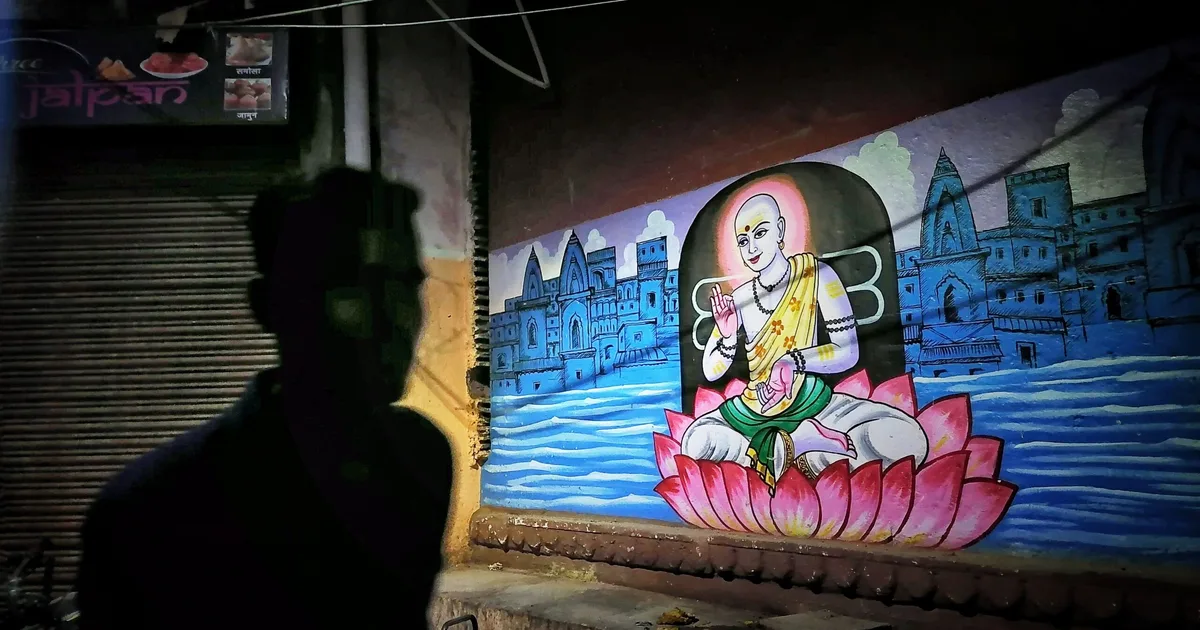
Varanasi Navratri package 2026 — Chaitra (March 30) and Sharad (Sep 22) dates, Shakti circuit, Vindhyachal extension from ₹5,999. TripCosmos — WhatsApp +91 9336116210.
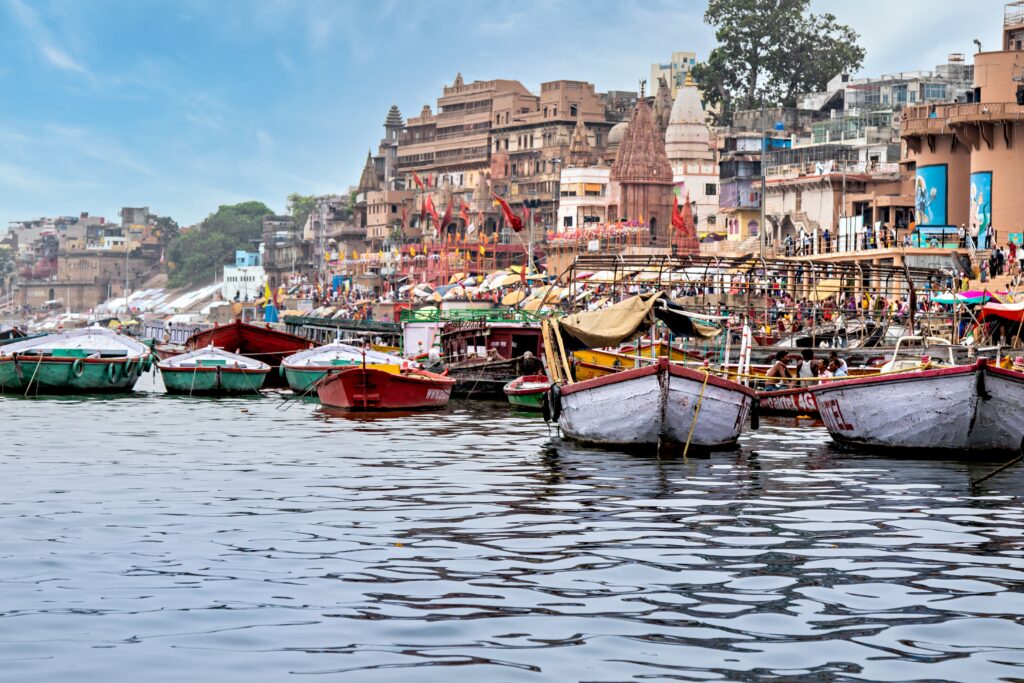
Navratri transforms Varanasi in a way that no other festival quite matches. The nine-day celebration of the Divine Mother — performed twice a year, in spring and autumn — concentrates the devotional energy of millions of Devi pilgrims into the city’s ancient lanes, its Shakti Peethas, and the river ghats that glow with lamp-light from the first evening to the ninth.
For serious Devi devotees — particularly Gujarati families celebrating Navratri with garba, South Indian pilgrims completing the Shakti Peetha circuit, and North Indian devotees performing the Navratri Puja sequence — Varanasi during Navratri is the most devotionally charged Navratri experience available in North India, outside of dedicated Navratri circuits like Vaishno Devi.
VIP Sugam Darshan passes, verified outstation cabs, Ganga aarti boat allocations, and clean hotel stays — fully coordinated by our on-ground team.
This guide covers both 2026 Navratri windows, what Varanasi specifically offers during each, the complete Shakti circuit for Navratri visitors, booking timelines, and package pricing.
Chaitra Navratri 2026: Pratipada: March 30, 2026 Maha Ashtami: April 6, 2026 Navami: April 7, 2026 Ram Navami (Day 9): April 7, 2026
Sharad Navratri 2026: Pratipada: September 22, 2026 Maha Ashtami: September 29, 2026 Navami: September 30, 2026 Vijaya Dashami (Dussehra): October 2, 2026
Both windows are equally powerful — Chaitra Navratri celebrates the spring manifestation of the goddess, Sharad Navratri the autumn form. For Varanasi visitors, the Sharad window is typically more popular because it coincides with the beginning of the October–March peak pilgrimage season — comfortable weather, vibrant crowds, and the Kartik month devotional energy building immediately after.
Vishalakshi Temple — the Shakti Peetha where Sati’s eyes are believed to have fallen — is the most important Devi shrine within Varanasi’s temple complex and the centrepiece of any Navratri visit to the city. During Navratri, the temple performs extended special puja sequences morning and evening — the Shodashopachara puja with 16 ritual offerings, the Kumari Puja (worship of young girls as manifestations of the goddess) on Ashtami, and the Navami havan (sacred fire ceremony) on Day 9.
Queue times at Vishalakshi during Navratri Ashtami and Navami: 2 to 4 hours for general darshan. Arrive by 5:00 AM for the morning darshan to complete the Vishalakshi visit before the main crowd builds. TripCosmos coordinates Vishalakshi darshan timing as part of every Navratri Varanasi package — guide-led visit during the earliest manageable window.
Varanasi is simultaneously a Shaiva and a Shakti city — Shiva and Shakti are inseparable here in ways they are not at other sacred sites. During Navratri, the Kashi Vishwanath darshan carries additional significance because the nine nights of the goddess are understood in the Kashi tradition as Lord Shiva’s own celebration of the Divine Mother.
VIP darshan (₹300 per person) is non-negotiable during Navratri — the general queue reaches 3 to 5 hours on Ashtami and Navami, and 2 to 3 hours on all other Navratri days. TripCosmos pre-arranges VIP passes for all Navratri package guests. Walk-in VIP pass purchase at the counter during Navratri adds 30–45 minutes to a already congested entry process.
The Durga Temple at Durga Kund — popularly known as the Monkey Temple — becomes the most energetically charged Devi shrine in Varanasi during Navratri. Daily special Durga puja sequences, elaborate flower decoration (the temple is covered in marigolds from Pratipada through Navami), and continuous devotional singing from early morning to late evening.
The sacred tank (Kund) adjacent to the temple is the site for the Ashtami Kumari Puja — one of the most visually beautiful ritual ceremonies in Varanasi’s calendar. For families visiting with young daughters, the Kumari Puja at Durga Temple on Navratri Ashtami is the most personally significant ceremony of the entire festival.
For Gujarati satsang groups and Mahila Mandals attending Navratri Varanasi, Annapurna Temple carries specific significance — the goddess of food and nourishment is particularly venerated in Gujarati household tradition. The Navratri puja sequence at Annapurna includes the Satyanarayan Puja and the 9-day offering sequence that many Gujarati families perform at home — completing it in Varanasi at the Annapurna sanctum is a specific Gujarati pilgrimage tradition.
For Devi devotees committed to completing the Navratri circuit with maximum spiritual depth, combining Varanasi’s Shakti Peethas with Vindhyachal’s Trikon Parikrama is the most complete Navratri package available in UP.
Varanasi (Days 1–5): Vishalakshi + Kashi Vishwanath + Durga Temple + Annapurna + Ganga Aarti
Vindhyachal (Days 6–7, 90 km from Varanasi): Vindhyavasini Devi + Kali Khoh + Ashtabhuja Devi
Vindhyachal during Navratri is one of the most extraordinary pilgrimage experiences in North India — over a million devotees complete the Trikon Parikrama during the nine days. The Vindhyavasini Devi queue on Navratri Ashtami at Vindhyachal runs 5 to 8 hours for general darshan. Arrive by 4:30–5:00 AM for the morning darshan, before the peak crowd builds.
The Varanasi + Vindhyachal Navratri package is TripCosmos’s most requested Shakti-specific Navratri format — 6 nights covering both cities with confirmed guide, VIP Kashi Vishwanath pass, and Vindhyachal Trikon transport coordination.
For families adding Prayagraj’s Lalita Devi (the third Shakti Peetha in the UP cluster), the complete 8-day UP Shakti Navratri circuit covers three Peethas in one Navratri window — an extremely rare and powerful combination.
Varanasi has a Gujarati community that organises Garba and Dandiya Raas events during Navratri — typically in the Sigra and Cantonment areas where Gujarati traders and business families have settled over generations. These events are community gatherings rather than public performances, but many Gujarati Mahila Mandals visiting Varanasi during Navratri are welcomed to join through their accommodation or tour operator.
TripCosmos can connect Gujarati satsang groups and Mahila Mandals visiting during Navratri with the local Gujarati community’s Garba celebrations — mention this requirement when booking.
Covers Vishalakshi + Kashi Vishwanath VIP darshan + Durga Temple + Annapurna + Ganga Aarti private boat + Sarnath + guide throughout.
All standard package inclusions + 2 nights Vindhyachal + Trikon Parikrama coordination + Vindhyavasini Devi early morning darshan slot.
Includes bus transport, sattvic accommodation, Garba community connection, complete Shakti circuit with Telugu/Gujarati guide option.
All prices are all-inclusive — zero on-ground additions. Contact TripCosmos with your group size, specific Navratri dates (Ashtami/Navami dates preferred for the most auspicious darshan), and dietary requirements for a confirmed package quote within 24 hours.
Navratri’s significance in Hindu tradition as the nine nights of the goddess spans multiple forms of Devi worship across all regional Hindu traditions — from Garba in Gujarat to Bommai Kolu in Tamil Nadu to the Durga Puja celebrations of Bengal. Varanasi’s Navratri combines the Shaiva-Shakta tradition of the oldest sacred city with Shakti Peetha access that no other North Indian city can match.
For the complete Varanasi Tour Package as a base with Navratri-specific add-ons, or the Vindhyachal Devi Temple Complete Guide for the Trikon Parikrama details, both are on TripCosmos. The TripCosmos cab service covers the Varanasi to Vindhyachal route daily.
Website: https://tripcosmos.co WhatsApp: +91 9336116210
Chaitra Navratri 2026: March 30 – April 7 (Ram Navami falls on Day 9, April 7). Sharad Navratri 2026: September 22 – October 2 (Vijaya Dashami/Dussehra on October 2). Both are equally auspicious — Sharad Navratri is typically the more popular of the two for Varanasi pilgrimage due to its coincidence with the beginning of the comfortable October–March travel season.
Maha Ashtami (Day 8 — April 6 for Chaitra, September 29 for Sharad) and Navami (Day 9) are the most auspicious days and the most crowded. Arriving by Day 1 or 2 and staying through Ashtami gives you the complete Navratri atmosphere with the most important darshan days fully covered. VIP Kashi Vishwanath pass is essential for Ashtami and Navami visits — queue times without VIP reach 4–5 hours.
For Sharad Navratri 2026 (September 22 – October 2): book by July 31 at the latest. For Chaitra Navratri 2026 (March 30 – April 7): book by February 28. Hotels near Durga Kund and Dashashwamedh Ghat fill completely for Ashtami weekends 6–8 weeks ahead. Vindhyachal accommodation during Navratri books even faster — July 15 deadline for Sharad Navratri.
Strongly yes — for serious Devi devotees. Vindhyachal during Navratri is among the most powerful Shakti experiences in North India. The Trikon Parikrama (Vindhyavasini Devi, Kali Khoh, Ashtabhuja Devi) during Navratri with the full devotional crowd creates an atmosphere that Varanasi alone cannot replicate. Plan 2 nights in Vindhyachal (90 km from Varanasi on NH19) and arrive at the Vindhyavasini temple by 4:30–5:00 AM on your chosen morning to beat the main crowd.
Excellent — Navratri is the most natural and most devotionally resonant festival for Gujarati Mahila Mandal groups in Varanasi. The Annapurna Temple Navratri sequence, the Garba community connection through TripCosmos’s local Gujarati network, and the Vishalakshi Shakti Peetha darshan all carry specific significance for Gujarati Devi devotees. Book a minimum of 8 weeks before your Navratri departure date for confirmed accommodation and group transport.
VIP Sugam Darshan passes, verified outstation cabs, Ganga aarti boat allocations, and clean hotel stays — fully coordinated by our on-ground team.
TripCosmos guarantees verified Kashi Vishwanath Sugam Darshan passes (zero line waiting), private Dev Deepawali & Ganga Aarti Bajra boats, and verified Toyota Innova Crysta cabs with trusted local chauffeurs.