Your cart is currently empty!
You may check out all the available trips and book one that suits you.
Continue Browsing Trips
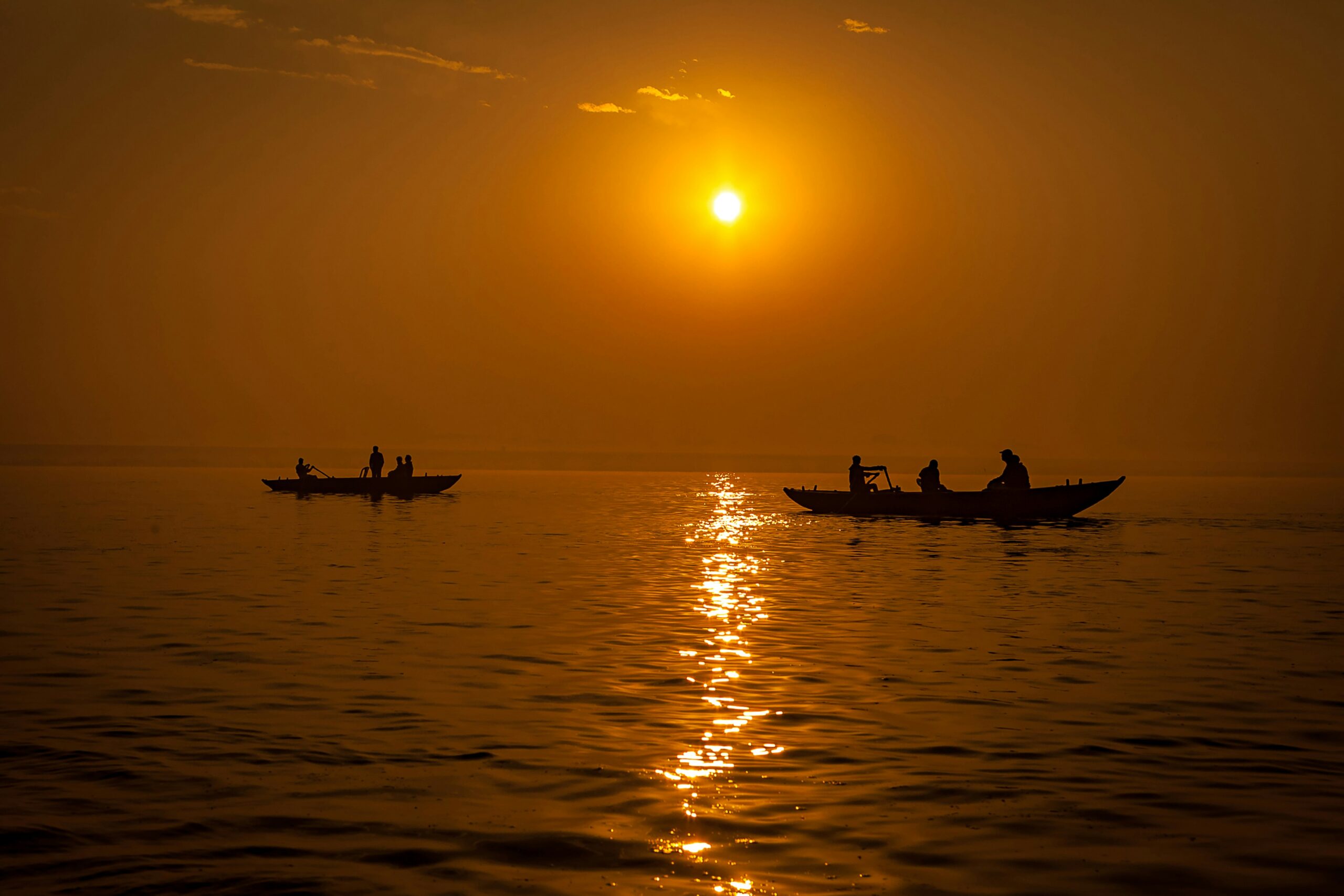
Mind Healing Trip in Varanasi heals differently from any wellness destination you have visited before.
Not a spa. Not a retreat centre. Not a curated silence program. Varanasi heals through immersion in something so ancient and so continuously alive that your ordinary concerns simply lose their grip — quietly, without effort, without any program telling you when to breathe.
If you are carrying grief, burnout, loss, anxiety, or the particular exhaustion of modern life that no holiday has yet properly touched — this guide is for you.
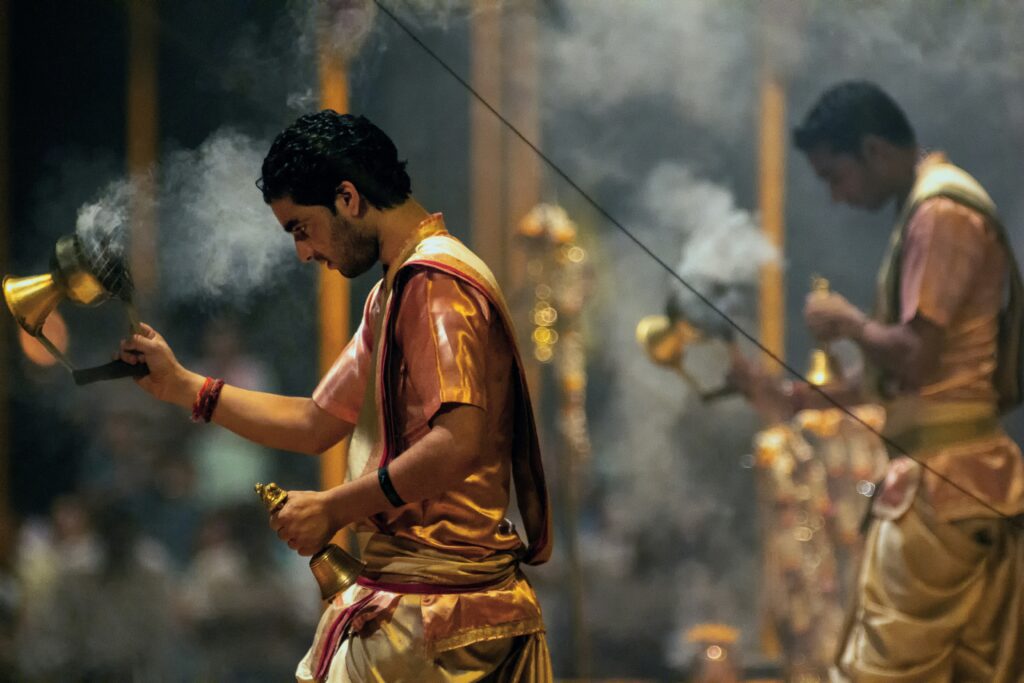
Varanasi has been a place of mental and spiritual healing for over three thousand years. Sages, philosophers, musicians, poets, and ordinary exhausted human beings have been coming to the Ganga’s banks to be restored for longer than most civilizations have existed.
The healing mechanism is not complicated. Varanasi confronts you with something larger than your problems — the Ganga, the ancient city, the sacred fire at Manikarnika, the Ganga Aarti that happens every evening regardless of anything happening in your life. In the presence of something genuinely eternal, the temporary nature of whatever is troubling you becomes physically apparent.
This is not a philosophical argument. It is what visitors consistently experience and consistently report — a quieting, a perspective shift, a return to themselves that more conventional wellness destinations don’t deliver.
4:30 AM — Panchganga Ghat
Begin before sunrise. Not at a famous ghat. At Panchganga — one of Varanasi’s most ancient and most quietly powerful ghats, where five sacred rivers are believed to meet underground. At 4:30 AM there are priests, a few devoted pilgrims, oil lamps, and the Ganga flowing silently in the darkness. Nothing else.
Sit on the ghat steps for 20 to 30 minutes before your boat arrives. Just sit. This is the beginning of your Varanasi healing — the city doing what it does to everyone who gives it enough silence to work.
5:30 AM — Sunrise Ganga Boat Ride
A Varanasi Boat Ride along the complete 84-ghat arc at dawn. Private boat. Minimum conversation. Maximum river.
The Ganga at sunrise — with the ancient city glowing above the ghat steps, priests performing rituals at the water’s edge, and the particular quality of first light on a river that has been receiving prayers for three thousand years — is the single most reported healing experience in Varanasi. Allow 75 to 90 minutes. Do not rush it.
8:00 AM — Kashi Vishwanath Darshan
After the river — the Jyotirlinga. VIP darshan (₹300 per person) keeps the practical friction minimal. But the experience itself — standing before the Shivalinga at the centre of Lord Shiva’s own city — is anything but friction-free. It is intensely present. Allow 45 minutes.
10:00 AM — Assi Ghat Morning
Return to Assi Ghat — Varanasi’s most intellectually and spiritually alive neighbourhood. Sit at the river’s edge. Watch the city go about its ancient business. Have chai from the ghat-side stalls. Budget ₹20 per cup. This is not scheduled. This is exactly what you need.
Afternoon — Sarnath
Where Buddha first taught — where the Dhamek Stupa rises in the deer park where the first sangha gathered — Sarnath carries a profound quietness that contrasts beautifully with Varanasi’s intensity. Walk the grounds slowly. Sit in the monastery gardens. The Sarnath atmosphere is specifically restorative for anxious or overactive minds. Allow 2 hours.
Evening — Dashashwamedh Ghat Ganga Aarti
From a pre-booked private boat positioned directly opposite the ceremony platforms. Watch the complete ceremony from the river — the fire reflected in the dark water, the sound carrying across the Ganga, the ancient city lit behind the priests. Allow 60 minutes. Do not photograph. Just watch.
Night — Simple Dinner on Assi Ghat
Eat at a quiet ghat-side restaurant. Sleep early. Tomorrow begins the same way.
5:30 AM — Second Sunrise Boat Ride
The second morning on the Ganga is always more personal than the first. The novelty has passed. What remains is quieter and goes deeper. This is the morning most visitors describe as their first genuinely still moment in months.
8:30 AM — Sankat Mochan Hanuman Temple
Founded by Saint Tulsidas — the most warmly devotional temple in Varanasi. The temple’s atmosphere is specifically calming — the sound of continuous bhajan, the smell of flowers, the unhurried movement of devoted pilgrims. Allow 45 minutes without any agenda except being present.
10:00 AM — Manikarnika Ghat
The sacred cremation ghat — where the fire has burned continuously for thousands of years. For mind healing specifically — Manikarnika is the most philosophically useful stop in Varanasi.
Standing at Manikarnika with understanding of what you are witnessing — the most ancient continuously maintained sacred fire in the world, the physical centre of Hinduism’s most profound teaching about impermanence and liberation — reorders priorities that nothing else can reach. Allow 30 minutes of genuine presence.
11:30 AM — Old City Walk
Walk slowly through the ancient lanes of the Vishwanath corridor — not shopping, not photographing, just moving through a city that has been alive longer than almost any other place on earth. The narrow lanes, the temple sounds, the flower sellers, the smell of incense — Varanasi’s old city is a sensory experience that quiets the analytical mind simply by being too layered and too ancient for analysis to process.
1:00 PM — Slow Lunch at Assi Ghat
A long, unhurried lunch at Ganpati Guest House rooftop or Brown Bread Bakery — both overlooking the Ganga. Budget ₹300–₵00 per person. Allow 90 minutes. This is part of the healing — not efficient eating, but present eating.
3:00 PM — Tulsi Manas Mandir
The temple at the site where the Ram Charit Manas was composed — the walls covered in Sanskrit verses. For anyone who finds comfort in literature, in the idea that human beings have been finding language for their deepest experiences for centuries — this temple is extraordinarily moving. Allow 30 minutes.
5:00 PM — Assi Ghat
Return to Assi Ghat an hour before sunset. Sit at the water’s edge. Watch the river. The most healing thing Varanasi offers is not any specific temple or ceremony — it is the river itself, available continuously, requiring nothing from you.
6:30 PM — Assi Ghat Evening Aarti
The smaller Assi Ghat aarti — more intimate than Dashashwamedh, more personal, more contemplative. For Day 2 of a mind healing visit — this is exactly right. Allow 45 minutes.
5:30 AM — Final Sunrise Boat Ride
The third morning on the Ganga is the most emotionally resonant. Most visitors describe this as the moment they genuinely feel different — quieter, clearer, more themselves. The river has had three mornings to do its work.
Morning — Bharat Mata Mandir & Final Old City Time
Bharat Mata Mandir — the temple dedicated to Mother India — for perspective. Then unstructured time in the old city lanes. Buy prasad. Sit in a temple courtyard. Let the morning be what it is.
Afternoon — Departure
Most visitors leave Varanasi wanting more time. This is not a failure of planning. It is the city telling you something worth listening to.
Do not over-schedule. The healing in Varanasi happens in the gaps — the unplanned hour at the river’s edge, the unexpected kirtan in a temple lane, the conversation with a ghat priest. Leave space for these.
Stay near the ghats. The Ganga’s proximity matters for a healing trip more than any hotel amenity. Walking to the river at 4:30 AM should be a 5-minute walk, not a 30-minute cab ride. A budget guesthouse on Assi Ghat is better for mind healing than a comfortable hotel 3 kilometres away.
Limit photography in the first morning. The sunrise boat ride and Kashi Vishwanath darshan are best experienced without a phone screen between you and the experience. One or two photographs — then put the phone away and be fully present.
Eat simply and locally. Varanasi’s street food — the morning kachori, the Banarasi lassi, the chai at ghat-side stalls — is part of the healing. The simplicity and directness of the food, eaten at the river or in the temple lanes, is part of returning to something essential.
The Ganga at night. After the Ganga Aarti — when the ceremony ends and the crowd thins and the diyas are still floating downstream — walk along the ghat. The Ganga at night, lit by temple lamps and the fading diyas, is one of the most quietly beautiful things in India. Worth 30 minutes on every Varanasi evening.
Vehicle: For a solo healing trip or couple — sedan cab through our Varanasi Cab Service is ideal. Full day confirmed before you arrive. Driver waits. No negotiation, no friction.
Hotel: Ganpati Guest House Assi Ghat (mid-range, rooftop river view, genuinely ghat-side) or Brijrama Palace (heritage, directly on the Ganga, finest healing atmosphere in the city).
Extension: Most mind healing visitors naturally extend to Prayagraj — the Triveni Sangam at dawn has a specific quality of stillness and spaciousness that complements Varanasi’s intense ancient-city energy. Our Varanasi Ayodhya Prayagraj Tour covers the complete circuit.
For all Varanasi package options, visit our Varanasi Tour Package page.
Yes — consistently reported by visitors across backgrounds, ages, and religious traditions. The mechanism is immersion in something ancient, continuous, and larger than personal concerns. The Ganga, the Ganga Aarti, Manikarnika, and Sarnath together create a perspective shift that most visitors describe as genuinely therapeutic.
Three days minimum. Two days is possible but the deepest healing in Varanasi happens on Day 3 — when the novelty has passed and the river has had enough mornings to do its actual work.
Yes — particularly so. Varanasi’s open relationship with death and liberation — most powerfully at Manikarnika Ghat — gives grief a different context than any other destination can offer. The city does not avoid what most destinations hide. This directness is specifically healing for those carrying loss.
The third morning sunrise boat ride — after two full days of immersion. Every visitor who has done this describes it as the most genuinely still and restored they have felt in recent memory.
Yes. Chat on WhatsApp for instant booking — share your duration, group size, and what you are hoping to experience. Our team builds your complete healing itinerary, confirms the right ghat-side hotel, pre-arranges boats for all three mornings, and handles every practical detail so you can focus entirely on being present.
Varanasi is waiting — three thousand years of continuous sacred life, the Ganga at dawn, and a city that has been healing minds longer than almost anything else on earth. Chat on WhatsApp for instant booking and TripCosmos confirms your complete mind healing Varanasi trip instantly.

Comments are closed.