Your cart is currently empty!
You may check out all the available trips and book one that suits you.
Continue Browsing Trips
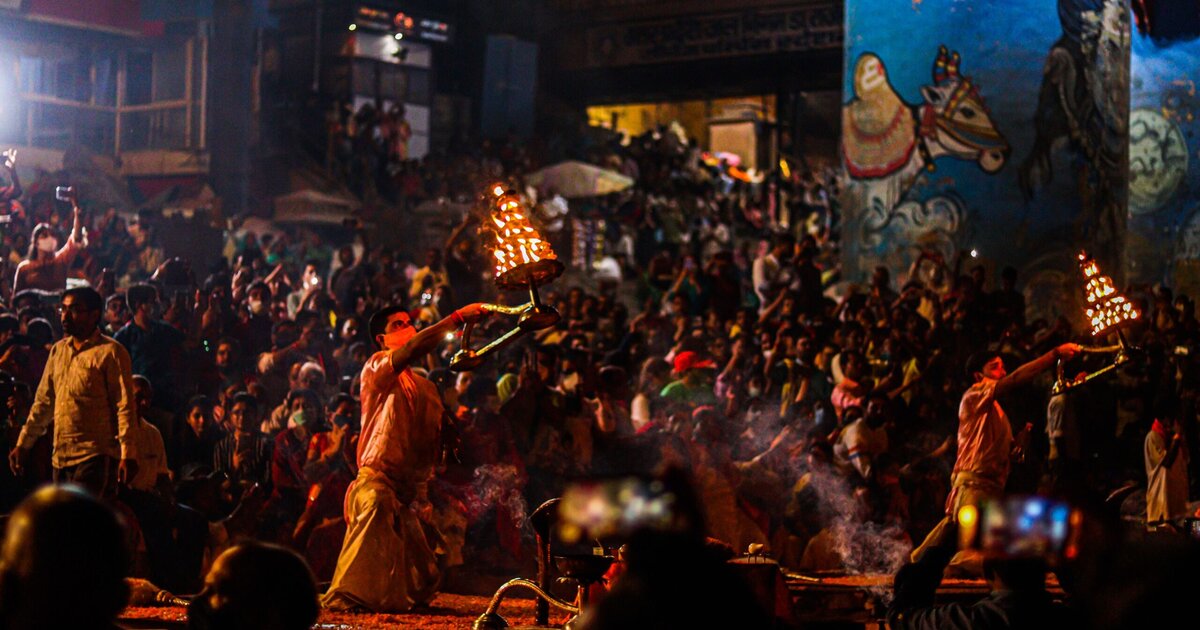
Sacred Cities Every Hindu Should Visit Once,There’s a list that every Hindu household seems to carry — not written down anywhere, but passed on through generations. Visit Varanasi before you’re too old. Take a dip at the Sangam. Go to Ayodhya after the Ram Mandir. See Mathura and Vrindavan in your lifetime. These aren’t tourist ambitions. They’re something older than that.
Hinduism has a specific concept for this: the Sapta Puri — seven cities so sacred that simply visiting them is believed to grant moksha, or liberation. Beyond these seven, there are dozens more cities where the divine is considered especially present, where geography and scripture intersect in ways that have drawn pilgrims for thousands of unbroken years.
This guide covers the cities every Hindu should make the effort to visit at least once — what makes each one spiritually significant, what to expect on the ground, and how to actually plan the journey.
According to Hindu scripture, these seven cities are the holiest geography on earth. The verse naming them appears across multiple Puranas:
Ayodhyā Mathurā Māyā Kāśī Kāñcī Avantikā | Purī Dvārāvatī caiva saptaitā mokṣadāyikāḥ
Each city has a distinct spiritual identity, a presiding deity, and a pilgrimage tradition that predates recorded history.
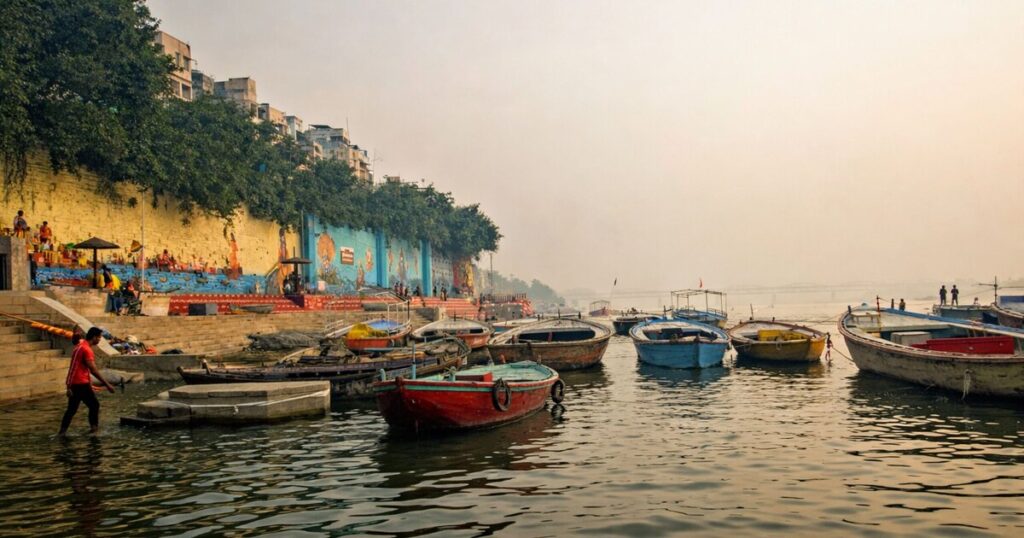
Varanasi is not the most comfortable city in India. It’s loud, dense, and moves to a rhythm that has nothing to do with convenience. It also gets under your skin in a way no other place does.
Kashi is believed to be the city of Lord Shiva himself — a place where the cycle of birth and death pauses, where even dying is considered an act of liberation. The Kashi Vishwanath Temple, the burning ghats, the early morning aarti on the Ganga — none of these are experiences you can adequately prepare for. You just have to go.
For first-time visitors, the 2N3D Varanasi Tour Package from TripCosmos covers the essentials at a comfortable pace without rushing what shouldn’t be rushed. And for the Ganga Aarti — go by boat. Watching it from the water changes everything. The private boat ride at Dashashwamedh Ghat gives your family the space to experience it without a crowd pressing against you.
Few things in recent Indian religious life compare to the consecration of the Ram Mandir in January 2024. Ayodhya has always been sacred — the birthplace of Lord Ram, the city of the Ramayana — but the new temple has given it a scale and a spiritual charge that draws lakhs of pilgrims every month now.
Beyond the Ram Mandir, Ayodhya’s Saryu Ghat at dawn, Hanuman Garhi, and Kanak Bhawan all hold their own significance. Budget an easy full day here; the city rewards those who don’t rush.
Mathura is Lord Krishna’s birthplace. Vrindavan, 15 kilometres away, is where he spent his childhood — the forest groves, the Yamuna banks, the playful stories of the Bhagavata Purana all happened here. Together, these two cities form the Braj region, and no visit to one is complete without the other.
Banke Bihari Temple, Prem Mandir, ISKCON, the Yamuna ghats at dawn — Vrindavan in particular is quieter and more meditative than Mathura’s bustle. Both can be covered in a long, well-planned day.
The Ganga descends from the mountains at Haridwar — and there’s something visually and spiritually specific about standing at Har Ki Pauri and watching the river arrive from the peaks. The evening Ganga Aarti here is different in character from Varanasi’s: older in form, more restrained, equally powerful.
Haridwar is also the gateway to the Char Dham Yatra and the starting point for most Himalayan pilgrimages. Even as a standalone visit, it deserves at least two nights.
The Triveni Sangam — the confluence of the Ganga, Yamuna, and the invisible Saraswati — is one of those places where the physical and the sacred are inseparable. A holy dip here is among the most important acts in a Hindu pilgrim’s life.
Prayagraj hosts the Kumbh Mela, the largest human gathering on earth. But even outside Kumbh years, the Sangam is profoundly moving. The Varanasi Prayagraj Ayodhya 4N5D Tour Package connects three of the Sapta Puri cities in a single itinerary — the most natural pilgrimage circuit in North India.
On the western tip of Gujarat, surrounded by the Arabian Sea, Dwarka is among the most remote of the Sapta Puri cities — and that remoteness is part of its character. The Dwarkadhish Temple, standing on the shore where Krishna’s legendary city once existed, is a genuinely moving place to reach after a long journey.
Dwarka is typically combined with the Somnath Jyotirlinga for the western Gujarat pilgrimage circuit.
In Tamil Nadu, Kanchipuram is one of the few southern cities in the Sapta Puri — and it’s arguably the most architecturally extraordinary on the list. The Ekambareswarar Temple, Kamakshi Amman Temple, and Varadaraja Perumal Temple are among the finest examples of Dravidian temple architecture anywhere in India. Kanchipuram is also a Shakti Peetha and one of the 108 Divya Desams.
The Venkateswara Temple at Tirumala, Tirupati, draws more pilgrims annually than any other religious site on the planet. The darshan queue, the hair tonsuring, the prasadam — Tirupati is an experience in both faith and logistics. If you go, book TTD’s online darshan slot well in advance.
This ancient sacred forest in Sitapur, Uttar Pradesh is mentioned in the Mahabharata as the site where the Puranas were first recited. It’s not well known outside devout circles, which is precisely what makes it so rare. The rituals here — Chakra Tirtha, Lalita Devi Temple, Suta Gadi Ashram — feel unchanged by time.
TripCosmos covers Naimisaranya as part of the multi-city pilgrimage packages that extend the Varanasi–Ayodhya circuit westward. It pairs naturally with Lucknow and Ayodhya.
Where the Ramayana’s forest years actually happened. Chitrakoot is where Ram, Sita, and Lakshman spent the early years of their exile. Kamadgiri, the sacred hill circumambulated daily by thousands of barefoot devotees, carries an atmosphere that’s difficult to describe to someone who hasn’t walked it.
Pilgrimage in Hinduism has a practical tradition as much as a spiritual one — the ancient tirthas were positioned at river confluences and mountain passes for geographic reasons as much as sacred ones. Modern planning can follow similar logic: group cities by geography and sequence them sensibly.
North India Circuit (most popular) Varanasi → Prayagraj → Ayodhya → Lucknow → Naimisaranya → Mathura → Vrindavan
This 7–10 day circuit covers more sacred geography per kilometre than any other route in India. TripCosmos’s North India pilgrimage tour packages manage this entire circuit from a single booking, with private AC vehicles, guided darshan, and overnight stays handled end to end.
Best Travel Season
Cost Overview (North India Circuit)
| Package Type | Cost Per Person |
|---|---|
| Budget (shared transport, dharmashala) | ₹3,999 – ₹6,500 |
| Standard (private cab, 2-star hotels) | ₹7,999 – ₹12,000 |
| Premium (heritage hotels, VIP darshan) | ₹18,000 – ₹28,000 |
For a complete, honest breakdown of what each price tier includes, the UP temple circuit tour cost guide is worth reading before you budget.
What to Keep in Mind
The Sapta Puri as a concept in Hindu geography is worth reading about before your trip — it gives context for why these cities carry the specific sacred weight they do.
TripCosmos is based in Varanasi and Prayagraj — the two most-visited pilgrimage cities in the North India sacred circuit. The team plans multi-city spiritual tours, handles private cab and tempo traveller bookings for family groups, coordinates Ganga Aarti boat rides, and builds custom itineraries for every group size and budget.
Whether you want a compact 3-day Varanasi trip or a 10-day circuit covering the full North India sacred geography, the team can build it around your dates and handle everything on the ground.
Website: https://tripcosmos.co WhatsApp: +91 9336116210
Browse all spiritual tour packages or message the team directly with your travel dates and group size for a custom itinerary within 60 minutes.
The Sapta Puri are seven cities named in Hindu scripture as grantors of moksha (liberation): Ayodhya, Mathura, Haridwar (Maya), Varanasi (Kashi), Kanchipuram, Ujjain (Avantika), and Dwarka. They are considered the holiest geography in the Hindu tradition, and pilgrimage to them is believed to help a devotee break the cycle of rebirth.
Varanasi (Kashi) is most universally considered the most sacred. It is the city of Lord Shiva, believed to grant liberation to all who die within its borders, and home to the Kashi Vishwanath Jyotirlinga — one of the twelve most sacred Shiva shrines in India. Most Hindu families prioritize Varanasi above all other pilgrimage destinations.
Yes, and this is one of the most popular pilgrimage circuits in India. The 4N5D Varanasi Prayagraj Ayodhya Tour Package from TripCosmos covers all three cities with night stays, inter-city transport, and guided darshan included.
A focused North India sacred circuit covering Varanasi, Prayagraj, Ayodhya, Naimisaranya, and Mathura–Vrindavan takes 7 to 10 days done comfortably. Rushing the same circuit into 4–5 days is possible but not recommended, especially with elderly family members or young children.
October to March is the best window across the board — pleasant weather, vibrant temple activity, and major festival dates in most cities. November is particularly special in Varanasi (Dev Deepawali) and Mathura–Vrindavan (Kartik Purnima). February is often the single best month for shorter queues and affordable accommodation rates across the entire circuit.
A pilgrimage to India’s sacred cities is not something most people do in a single trip — it builds over a lifetime, one city at a time. Some families start with Varanasi. Others begin in Mathura or Tirupati. Some plan one big circuit and cover six or seven cities in two weeks.
There’s no wrong order and no fixed timeline. What matters is that the journey happens. The Ganga Aarti you’ve heard about since childhood. The Sangam dip your grandmother always wanted to take. The Ram Mandir darshan you’ve watched on television and finally decide to see with your own eyes.
Start wherever feels right. TripCosmos can help you plan the rest from there.
Visit: https://tripcosmos.co | WhatsApp: +91 9336116210
TripCosmos guarantees verified Kashi Vishwanath Sugam Darshan passes (zero line waiting), private Dev Deepawali & Ganga Aarti Bajra boats, and verified Toyota Innova Crysta cabs with trusted local chauffeurs.


Comments are closed.