Your cart is currently empty!
You may check out all the available trips and book one that suits you.
Continue Browsing Trips
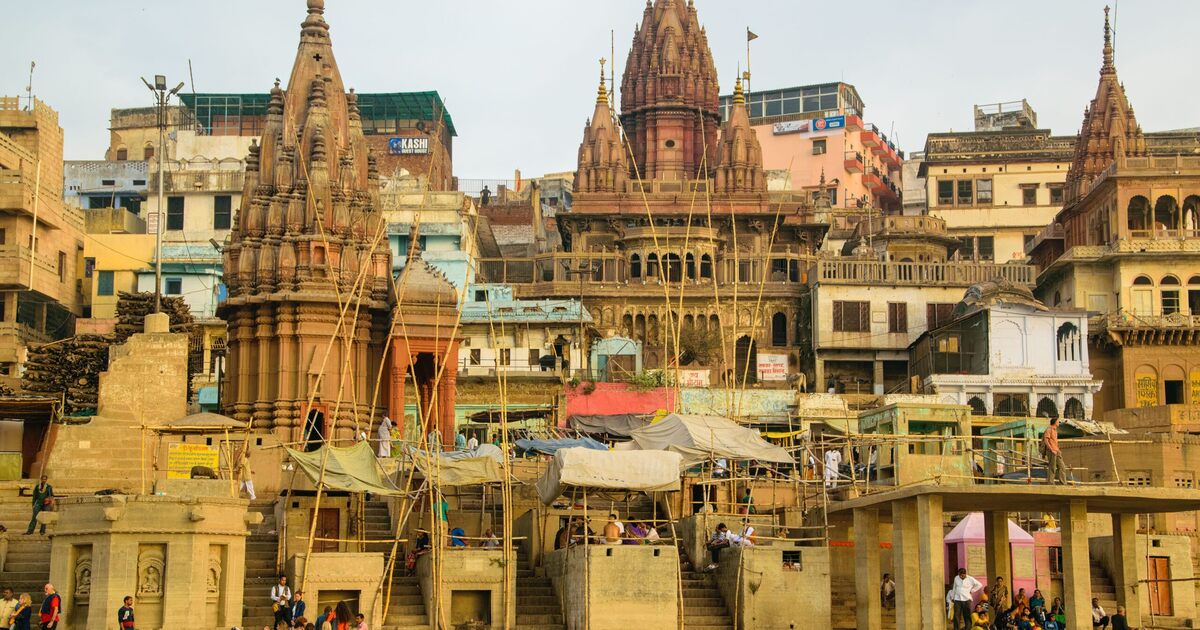
Is Varanasi Safe for Solo Women Travelers , This is one of the most searched questions about Varanasi — and it deserves an honest answer, not a tourism brochure response.
The short answer is: yes, Varanasi is safe for solo women travelers. Thousands of women — Indian and international, young and older, first-time visitors and returning pilgrims — travel here alone every year. Many describe it as one of the most profoundly moving trips of their lives. But safety in Varanasi, as in any dense, ancient Indian city, requires real preparation, genuine awareness, and a few non-negotiable decisions about how you move through the city.
This guide gives you the complete, unfiltered picture — the realities, the precautions, the do’s and don’ts, and the practical planning information that actually makes a difference on the ground.
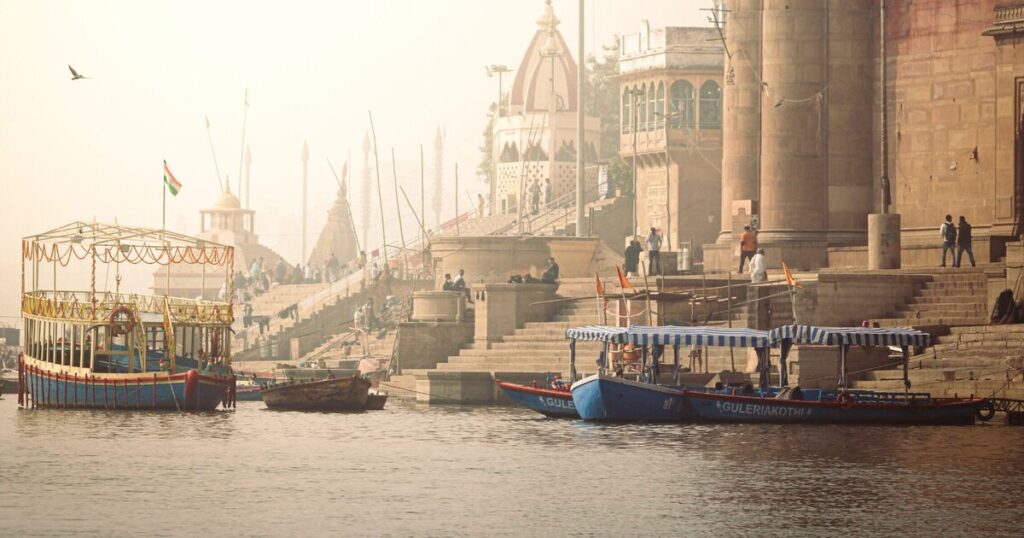
Varanasi is a deeply spiritual city, and that character shapes its atmosphere in ways that genuinely matter for solo women travelers. The city’s identity as a sacred tirtha — a crossing point — attracts pilgrims, seekers, scholars, and devotees from across India and the world. This creates a baseline atmosphere that is, on the whole, more oriented toward devotion and inner life than the kind of aggressive tourist-area behavior common in some other Indian cities.
That said, Varanasi is also a dense, chaotic, intensely populated urban environment. The lanes of the old city are narrow, crowded, and genuinely disorienting. The ghats after dark have uneven lighting and stretches where foot traffic thins out considerably. Unsolicited attention — staring, comments, persistent touts offering boat rides or temple guides — is common, particularly in the most tourist-heavy areas around Dashashwamedh Ghat.
Being prepared for these realities is not the same as being afraid of them. Solo women who travel Varanasi well are not the ones who avoid the city — they are the ones who plan it correctly.
The stretch of ghats from Assi Ghat in the south to Manikarnika Ghat in the north is well-populated throughout the day and early evening. During the Ganga Aarti at Dashashwamedh Ghat — roughly 6:30 PM to 7:30 PM — the ghat is so densely packed with devotees that it is actually one of the safest public spaces in the city by sheer volume of witnesses.
A morning walk along the ghats between 5 AM and 8 AM is one of the most extraordinary experiences Varanasi offers — and it is genuinely comfortable for solo women. The ghats during these hours are full of pilgrims, bathers, priests performing rituals, and local residents going about their morning routines. The atmosphere is focused and devotional, not chaotic.
The Kashi Vishwanath Corridor, inaugurated in 2021, is a well-managed, well-lit, security-monitored space. Entry requires bag checks and security screening. The corridor is one of the safest areas in the old city for solo women, with clear signage, visible security personnel, and a consistently crowd-managed environment.
Sarnath, the Buddhist pilgrimage site five kilometres from central Varanasi, is calm, spacious, and among the most peaceful destinations in the entire region. Solo women travelers frequently cite it as the most relaxed part of their Varanasi visit. The Varanasi to Sarnath route is a short, straightforward drive and a genuinely valuable addition to any solo itinerary.
The area around Assi Ghat and Banaras Hindu University (BHU) is significantly more relaxed than the old city’s tourist core. Cafes, bookshops, guesthouses catering to long-term visitors, and a visible international traveler presence make this part of the city particularly comfortable for solo women who want a base that feels less intense.
Your guesthouse or hotel is the foundation of a safe solo trip. Look for:
Avoid booking the cheapest possible accommodation without reviewing it carefully. The quality gap between a ₹400/night dormitory and a ₹1,200/night guesthouse in Varanasi can be significant in terms of actual security.
This is arguably the most important single decision a solo woman traveler makes in Varanasi. Never get into an unmarked vehicle, accept a ride from a stranger at the station or airport, or use an unverified auto or e-rickshaw for late-night travel.
Pre-booking a verified cab service through a trusted operator like Tripcosmos means you know exactly who is picking you up, in which vehicle, and at what time. For early morning darshan at 3 AM or late evening returns from the ghats after aarti, this is not a comfort preference — it is a safety requirement.
A private cab also removes the need to negotiate with strangers repeatedly throughout the day, which is the most common trigger for unwanted attention and potential scams in any Indian city.
Varanasi is a deeply religious city and modest dress is both respectful and practically protective. Wear salwar kameez, kurta, or full-length clothing around the ghats and temple areas. Carry a dupatta or light stole to cover your head when entering temples — this is required at Kashi Vishwanath and expected at most other sacred sites.
Dressing in keeping with the city’s character significantly reduces unsolicited attention and signals to locals that you understand and respect the environment you are in.
The old city’s interior lanes are genuinely disorienting even in daylight. After dark, the less-trafficked lanes become poorly lit and isolated. This is not unique to Varanasi — it is true of the old cities of Jaipur, Delhi, Varanasi, and any ancient Indian urban core.
The simple rule: after sunset, stay on the main ghat promenade and the well-lit primary lanes. If you are returning to accommodation in the old city after the evening aarti, go directly rather than exploring. Save lane exploration for morning hours.
Varanasi has a well-documented tout culture, particularly around the ghats. Men offering free boat rides, temple guides offering to show you a “special” area, or shopkeepers inviting you for chai that leads to a carpet shop tour — all of this is common, persistent, and designed to be disarming.
A polite but firm “no thank you” and continued walking is always the right response. You do not need to explain, apologize, or engage. Solo women who navigate this most confidently are the ones who make a decision once and do not revisit it mid-interaction.
For solo women travelers who want the peace of mind of structured support without losing the freedom of independent travel, Tripcosmos offers exactly the right balance.
The team can help you with:
Also read the Family Pilgrimage Planner for First-Time Visitors if you are eventually planning to bring family along — many solo women visitors return with their families after their first solo trip.
According to solo travel safety research, women who travel with pre-arranged, verified transport and accommodation report significantly higher safety satisfaction in dense urban destinations. Varanasi’s spiritual character makes it one of the more navigable Indian cities for women — with the right preparation.
📍 Website: https://tripcosmos.co 📱 WhatsApp: +91 9336116210
Share your travel dates and what you need — verified pickup, a guided boat ride, a custom itinerary — and the Tripcosmos team will help you plan a Varanasi experience that is safe, meaningful, and entirely yours.
Yes, international solo women travelers visit Varanasi regularly and safely. The city’s spiritual character, combined with a significant international traveler presence especially around Assi Ghat and the university area, creates a more welcoming environment than many expect. The key precautions — verified transport, modest dress, staying on main lanes after dark, and pre-booked accommodation — apply equally to both Indian and international visitors.
The main ghat stretch during and immediately after the Ganga Aarti (6:30 PM to 8 PM) is very crowded and generally safe. After 9 PM, the ghats thin out considerably and walking alone becomes less advisable. The practical recommendation is to watch the evening aarti, spend time on the ghat in the post-aarti atmosphere, and then return to your accommodation via pre-booked transport rather than walking alone through the old city lanes at night.
Modest, full-coverage clothing — salwar kameez, kurta with leggings, or saree — is ideal. Avoid shorts, sleeveless tops, or fitted Western clothing around temple areas. Carry a dupatta or stole for head covering at temples. Modest dress is both culturally respectful and practically helpful in reducing unwanted attention. Many solo women travelers also find that dressing in keeping with local style — rather than standing out as an obvious foreign tourist — makes their experience considerably more comfortable.
October through February is ideal. The weather is comfortable, the pilgrimage atmosphere is active, and major festivals like Dev Deepawali (November) add extraordinary atmosphere. Avoid summer months (April–June) when extreme heat makes extended outdoor exploration exhausting. During Kumbh Mela and major festival periods, the crowds are very dense — this can feel either overwhelming or energizing depending on your comfort with large crowds, so plan accordingly.
Absolutely. Tripcosmos regularly assists solo travelers — both women and men — with custom Varanasi itineraries that include verified transport, private boat rides, temple visit timing, and accommodation recommendations. The team understands the specific practical needs of solo women travelers and can build a plan that balances safety, independence, and a genuinely immersive Varanasi experience.
Varanasi is one of the most extraordinary cities on earth — and it is entirely accessible to solo women travelers who prepare for it properly. The spiritual atmosphere of Kashi works in your favor. The practical precautions are straightforward and manageable. The experiences waiting on the other side — the pre-dawn aarti, the morning river, the ancient lanes, the profound stillness that settles over the ghats at unexpected moments — are absolutely worth the planning.
TripCosmos guarantees verified Kashi Vishwanath Sugam Darshan passes (zero line waiting), private Dev Deepawali & Ganga Aarti Bajra boats, and verified Toyota Innova Crysta cabs with trusted local chauffeurs.


One Comment
Comments are closed.