Your cart is currently empty!
You may check out all the available trips and book one that suits you.
Continue Browsing Trips
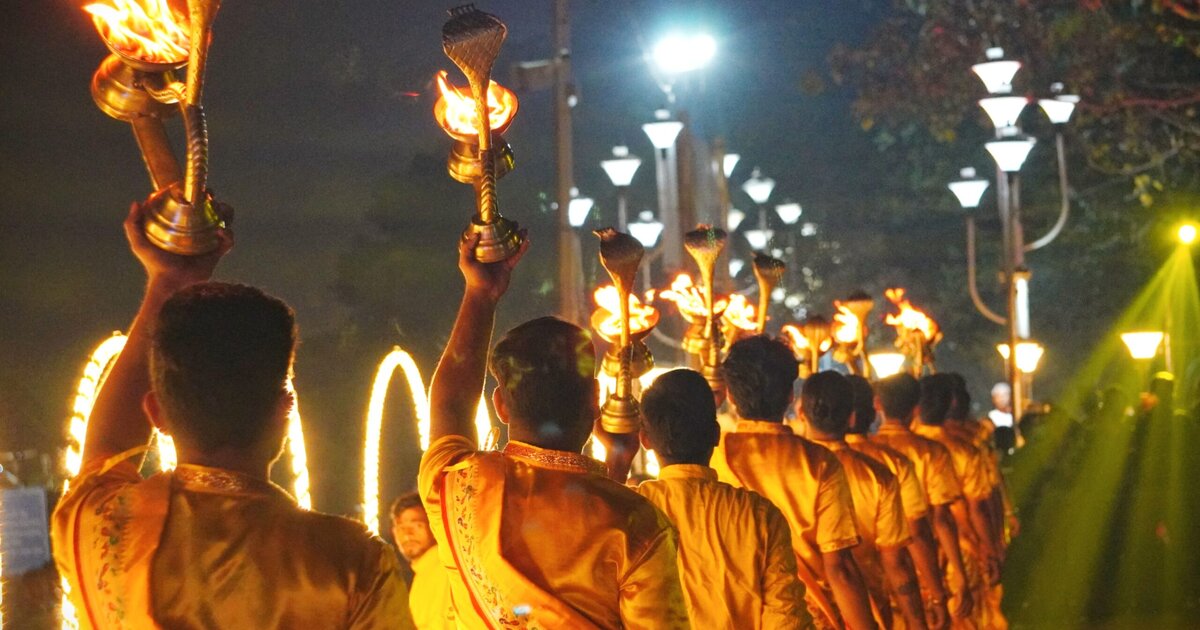
How to Build Your Perfect India Itinerary , Complete guide to building your perfect India itinerary 2026. Spiritual circuits, days needed, booking checklist & expert tips by Tripcosmos pilgrimage experts.
Building the perfect India itinerary is one of the most rewarding planning challenges in travel — because India’s spiritual, cultural, and geographical diversity is genuinely extraordinary, and the decisions you make before booking determine whether your trip transforms you or merely tires you. This guide gives you the complete framework — how to decide which circuit to start with, how many days each destination needs, what sequence works best, and how to avoid the most common first-timer planning mistakes.
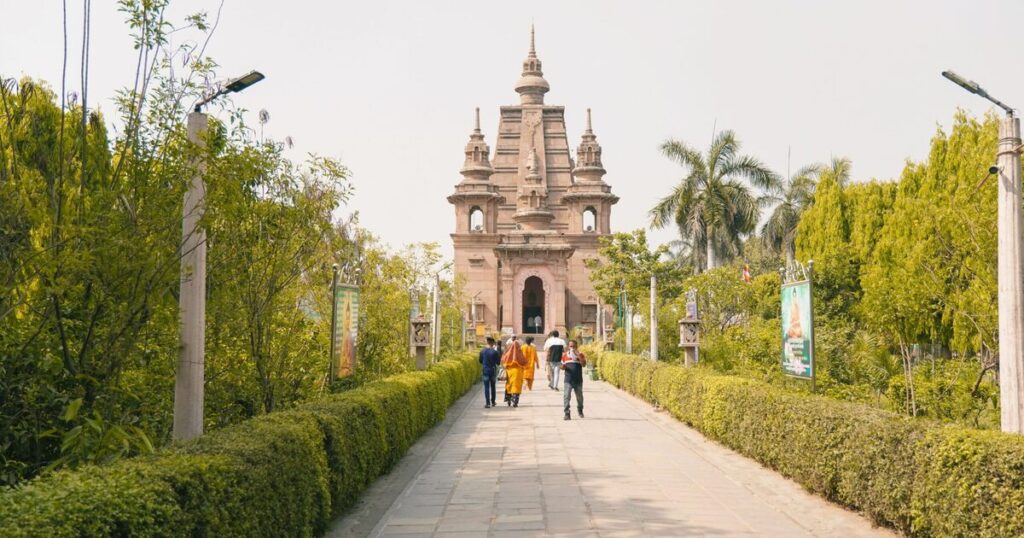
Of all the reasons people return to India, the spiritual one is the hardest to articulate and the easiest to under-plan. Before building any itinerary, be honest about why you are going. Three distinct travel intents produce three completely different optimal itineraries.
Spiritual pilgrimage: Your priority is darshan quality, temple circuit depth, and devotional atmosphere. Optimal circuits: North India’s Varanasi–Ayodhya–Prayagraj sacred triangle, the Jyotirlinga circuit through Ujjain and Varanasi, or South India’s Madurai–Rameshwaram–Kanyakumari circuit.
Cultural heritage: Your priority is architecture, history, and living tradition. Optimal circuits: The Golden Triangle (Delhi–Agra–Jaipur), Tamil Nadu’s Chola and Pallava temple circuit, or Rajasthan’s fort and temple combination.
Spiritual retreat and wellness: Your priority is sustained immersion, meditation, and inner work. Optimal destinations: Rishikesh ashrams, Kerala Ayurveda retreats, Arunachala/Tiruvannamalai.
Most first-timers try to combine all three in one trip. This is where itineraries collapse. The right itinerary mixes one or two of these — three is usually too many for a single trip.
The most common India itinerary mistake is underestimating how many days each destination requires for a genuinely meaningful experience — and overloading the schedule in response.
North India Sacred Triangle (Varanasi + Ayodhya + Prayagraj): Minimum 5 days, recommended 7. A 6–7 day window opens the most rewarding first-timer option: the complete sacred triangle plus one meaningful extension.
South India Temple Circuit (Tamil Nadu): A comprehensive circuit is recommended at 15 days to cover the major temples across Tamil Nadu, Kerala, and Karnataka. A shorter 10-day version can cover key Tamil Nadu sites including Chennai, Mahabalipuram, Pondicherry, Thanjavur, Madurai, and Rameshwaram. Madurai specifically deserves at least two full days — one for morning darshan and one for the evening aarti.
Buddhist Circuit (Varanasi + Bodh Gaya + Sarnath + Kushinagar): 7 days. Starting in Varanasi and culminating in Lucknow, this journey is a comprehensive immersion into the sacred sites and vibrant history of Buddhism — highlights include the Dhamekh and Chaukhandi Stupas in Sarnath, the Mahabodhi Temple and Bodhi Tree in Bodhgaya, and the ruins of Nalanda and Rajgir.
Char Dham Yatra (Himalayan): Minimum 10–12 days. Every year, thousands of travellers and spiritual seekers set their sights on the Kedarnath Temple — high in the Garhwal Himalayas, nestled at an altitude of 3,583 metres amid rugged peaks. This circuit demands respect for altitude and weather — never rush it.
The most consistently successful India itineraries are built around one primary sacred anchor — a single destination that receives 2–3 full days and gives you the depth to carry the rest of the trip. Everything else is an extension of that anchor.
For North India: Varanasi is the strongest anchor. Varanasi is one of the oldest spiritual cities in the world — after completing the spiritual visit in Ayodhya, the journey continues towards Varanasi, and pilgrims reach what is considered one of the oldest spiritual cities in the world. From Varanasi, Ayodhya (200 km west) and Prayagraj (130 km west) extend naturally in sequence. From Prayagraj, Chitrakoot (130 km further) or Naimisharanya (via Lucknow) complete the circuit.
For South India: Madurai is the strongest anchor. The Meenakshi Amman Temple in Madurai is considered the single most essential temple visit in South India due to its immense scale and active spiritual atmosphere. From Madurai, Rameshwaram (170 km east) and Kanyakumari (250 km south) extend naturally.
For the Jyotirlinga circuit: Varanasi’s Kashi Vishwanath and Ujjain’s Mahakaleshwar are the strongest two-city anchor. Everything else in the 12-Jyotirlinga map extends from these two.
India’s pilgrimage infrastructure is dramatically better in 2026 than it was five years ago — but it also requires more advance booking than ever before. A darshan you remember from a childhood family trip turns out to need an online booking made 60 days ahead. The ashram you read about on a podcast has a six-month waitlist. The Char Dham yatra that an aunt did unannounced in 1998 now requires an e-pass and a vehicle permit.
The five non-negotiable pre-bookings for any India itinerary: your private cab or Tempo Traveller for all inter-city transitions, your hotel in each city near the primary sacred site, VIP darshan passes where available (Kashi Vishwanath, Ram Mandir, Mahakaleshwar Bhasma Aarti), Ganga and Narmada boat rides through a trusted operator, and train tickets for longer inter-city legs at least 15–20 days in advance.
Tripcosmos manages all five of these for the North India circuit — from the Varanasi Ayodhya Prayagraj Tour Package starting from ₹5,499 per person to the Premium Varanasi Tour Experience and the complete Luxury Ujjain Varanasi Jyotirlinga circuit.
These rules apply to every India itinerary regardless of circuit, budget, or tradition. Dress modestly covering shoulders and knees when visiting temples, mosques, and religious sites — with lightweight cotton long pants, maxi skirts, and breathable shirts. Remove shoes at every temple without being told. Carry small-denomination cash — ₹10, ₹20, ₹50, and ₹100 notes — for every ghat-side and temple-precinct transaction.
Never schedule more than three major temple visits per morning. Each destination feels unique, but all of them offer the same message: slow down, soften your heart, and let the journey be your teacher. It is not a matter of checking off places, but rather discovering moments that linger long after your departure. Build mandatory afternoon rest into every day — not as a concession but as a structural decision that determines the quality of every evening experience.
The most suitable months for spiritual travel are October to March, when the climate remains pleasant. Many pilgrims also prefer travelling during religious festivals for deeper spiritual significance. Book 45–60 days in advance for October–March travel. Book immediately for festival periods.
Website: https://tripcosmos.co WhatsApp: +91 9336116210
The perfect India itinerary is built on one honest principle: depth over breadth. Choose one primary circuit, give it the days it deserves, pre-book all logistics before departure, and leave enough unscheduled space for India to surprise you — which it always does, and always memorably. For broader context on India’s pilgrimage tradition, the Wikipedia article on Pilgrimage is worth reading before you begin planning.
Seven days is the minimum meaningful format — covering the North India sacred triangle of Varanasi, Ayodhya, and Prayagraj at a comfortable pace. Ten to fourteen days allows a more complete circuit adding Mathura, Vrindavan, or Naimisharanya. South India temple circuits require a minimum of ten days for the Tamil Nadu core circuit.
Varanasi is the strongest starting anchor for North India pilgrimage — it is well-connected by air and train from all major Indian cities, has the most developed pilgrimage infrastructure, and its philosophical depth prepares you spiritually for everything that follows on the circuit.
The five non-negotiable pre-bookings are: private cab or Tempo Traveller for inter-city transitions, hotel near the primary sacred site in each city, VIP darshan passes where available, Ganga or Narmada boat rides through a trusted operator, and train tickets for longer inter-city legs at least 15–20 days in advance.
October to March is the universally recommended window for pilgrimage travel across North and South India — pleasant temperatures, manageable crowds outside festival periods, and the finest atmosphere for outdoor ghat and temple experiences. Char Dham and Himalayan circuits operate May to October only.
Yes — Tripcosmos manages complete North India sacred circuits from Varanasi including all inter-city transport, accommodation, VIP darshan coordination, boat rides, and 24/7 WhatsApp support. WhatsApp +91 9336116210 with your available days, group size, and devotional tradition for a complete custom itinerary within 60 minutes.
TripCosmos guarantees verified Kashi Vishwanath Sugam Darshan passes (zero line waiting), private Dev Deepawali & Ganga Aarti Bajra boats, and verified Toyota Innova Crysta cabs with trusted local chauffeurs.



Comments are closed.