Your cart is currently empty!
You may check out all the available trips and book one that suits you.
Continue Browsing Trips
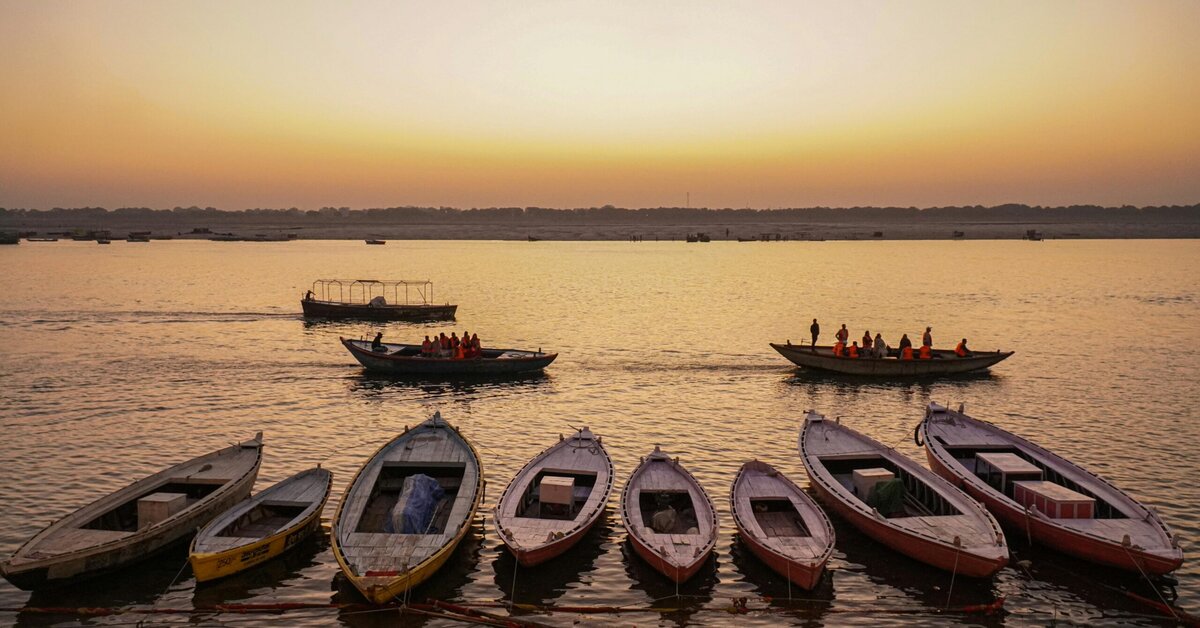
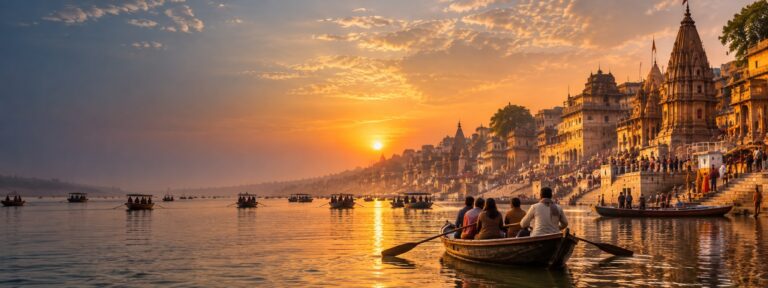
Early Morning Boat Ride in Varanasi , There’s something magical about Varanasi at dawn—when the first rays of sunlight kiss the sacred Ganges and the ancient city slowly awakens to the sound of temple bells and devotional chants. An early morning boat ride in Varanasi offers one of the most profound and spiritually enriching experiences you’ll ever encounter. This transformative journey reveals the city’s soul in its purest form, making it an essential experience for every traveler seeking authentic India.

Early Morning Boat Ride in Varanasi , The early morning hours, typically between 5:30 AM and 7:30 AM, represent the most sacred time along the Ganges. This is when Varanasi truly comes alive with spiritual energy. The serene atmosphere, combined with breathtaking natural beauty, creates an unforgettable experience that stays with you long after you’ve left the holy city.
Early Morning Boat Ride in Varanasi , During these precious hours, the river remains calm and peaceful, with minimal boat traffic allowing for smooth sailing and excellent photography opportunities. The soft morning light creates stunning reflections on the water, painting the ancient ghats in shades of gold and amber. This golden hour provides the perfect canvas for capturing Varanasi’s timeless beauty.
Avoid chaotic ghat bargaining. Lock in verified CNG motorboats, Maharaja Bajras, and reserved Dashashwamedh Aarti spots with verified local boat captains.
Early Morning Boat Ride in Varanasi , The temperature during early morning is comfortable and refreshing, especially during India’s hot summer months. The cool breeze flowing across the Ganges provides welcome relief and makes the boat ride pleasant and enjoyable. Even during winter, the crisp morning air adds to the invigorating experience.
Most importantly, early morning is when you’ll witness the most authentic spiritual practices. Devotees arrive at the ghats to perform their daily rituals, offering prayers and taking holy dips in the Ganges. This genuine display of faith, unmarred by tourist crowds, offers deep insights into Hindu spirituality and the significance of the Ganges in Indian culture.
As your boat glides along the river, you’ll observe numerous captivating spiritual activities that define Varanasi’s morning routine. Thousands of pilgrims descend the stone steps to perform “Surya Namaskar” (Sun Salutation), facing the rising sun with folded hands, offering prayers to the life-giving solar deity. This beautiful ritual connects worshippers with ancient Vedic traditions.
Devotees take ritual baths in the holy Ganges, believing the sacred waters cleanse them of sins and bring spiritual purification. Women in colorful sarees wade into the water, performing elaborate ablution ceremonies while chanting mantras. Men immerse themselves completely, emerging with renewed spiritual vigor. This powerful act of faith demonstrates the river’s profound significance in Hindu belief.
Priests conduct morning Ganga Aarti at several ghats, though on a smaller scale than the famous evening ceremony. These intimate rituals involve offering prayers with brass lamps, flowers, and incense. The chanting of Vedic hymns creates a mesmerizing soundscape that enhances the mystical atmosphere.
Sadhus (Hindu holy men) meditate along the ghats, their ash-covered bodies and vibrant orange robes creating striking visual contrasts. Some practice yoga on the steps, their disciplined postures silhouetted against the rising sun. Witnessing these dedicated spiritual seekers in their natural environment offers authentic glimpses into India’s ancient ascetic traditions.
Local Brahmins perform “Tarpan” ceremonies, offering water to their ancestors while reciting Sanskrit prayers. This meaningful ritual honors deceased family members and maintains the connection between living and departed souls—a core belief in Hindu philosophy.
The sunrise over the Ganges ranks among nature’s most spectacular displays. As dawn breaks, the sky transforms through a magnificent palette of colors—deep purples giving way to vibrant oranges, pinks, and finally the brilliant gold of full daylight. This awe-inspiring transition happens gradually, creating constantly changing light conditions perfect for photography.
The sun typically rises between 5:45 AM and 6:30 AM, depending on the season. Winter months (November-February) offer later sunrises, while summer (April-June) sees earlier dawn. Your boatman will position you facing east to capture the stunning moment when the sun emerges above the horizon, its reflection creating a golden path across the water.
The dramatic interplay of light and shadow on the ancient architecture creates breathtaking scenes. Temple spires catch the first light, appearing to glow from within. The stone steps of the ghats transform from dark gray to warm amber. Palace walls reveal intricate details invisible in other lighting conditions. This magical hour offers photographers unparalleled opportunities.
Birds add to the enchanting atmosphere—seagulls wheel overhead, their calls mingling with temple bells. Pigeons gather on ghat steps while crows perch on boat masts. The natural symphony combined with human devotional sounds creates an immersive sensory experience that epitomizes Varanasi’s essence.
Assi Ghat: The southernmost main ghat, Assi Ghat is popular among spiritual seekers and yoga enthusiasts. Early morning sees dozens of practitioners performing yoga and meditation. The peaceful atmosphere makes it an ideal starting point for your boat journey. Cultural programs and morning Aarti attract both locals and tourists seeking authentic experiences.
Dashashwamedh Ghat: Varanasi’s most famous and vibrant ghat, Dashashwamedh bustles with activity even at dawn. The name means “ten horse sacrifices,” referring to ancient rituals. Morning ceremonies here are elaborate and photogenic, with priests performing synchronized prayers. The grand architecture and constant activity make it a must-see stop.
Manikarnika Ghat: The main cremation ghat operates 24/7, and morning reveals its profound spiritual significance. Hindus believe dying and being cremated here grants moksha (liberation from the cycle of rebirth). While viewing from a respectful distance is appropriate, photography is prohibited. Your guide will explain this important Hindu tradition sensitively.
Harishchandra Ghat: Another cremation ghat, smaller but equally significant. The solemn atmosphere reminds visitors of life’s impermanence and the Hindu philosophy of death as transition. The eternal flames burning here symbolize the continuous cycle of life, death, and rebirth.
Panchganga Ghat: According to legend, five rivers converge here (though only the Ganges is visible). This auspicious location attracts many morning bathers. The tall Bindu Madhav Temple overlooks the ghat, creating impressive architectural views from the water.
Munshi Ghat and Ahilya Bai Ghat: These connected ghats offer beautiful palace architecture. The old buildings feature ornate balconies where you can imagine royal families once watched river activities. Less crowded than major ghats, they provide tranquil moments during your journey.
Preparing properly ensures you’ll have a comfortable and rewarding experience. Layer clothing appropriately—mornings can be quite cool, especially October through March. Bring a light jacket or shawl you can remove as temperatures rise. Choose modest clothing covering shoulders and knees out of respect for religious sensibilities.
Sun protection becomes necessary as the sun climbs higher. Pack sunglasses, a hat or cap, and sunscreen. The river’s reflection intensifies sunlight, making protection essential for comfortable viewing and photography.
Your camera or smartphone deserves waterproof protection. While boats are stable, occasional water splashes occur. A waterproof bag or case keeps electronics safe. Bring extra batteries or power banks, as the spectacular scenery inspires countless photos that drain battery life quickly.
Bottled water keeps you hydrated, though reputable tour operators typically provide this. Small snacks can be helpful if you have dietary restrictions or need morning energy. Avoid heavy meals before boarding, as some people experience mild motion discomfort on water.
Binoculars enhance your ability to observe distant rituals and architectural details without intruding. They’re particularly useful for birdwatching and viewing ceremonies at farther ghats. A small notebook lets you jot down observations, temple names, or thoughts inspired by this spiritual journey.
Cash in small denominations proves useful for purchasing flowers, diyas (oil lamps), or making small donations if you choose to participate in rituals. Most boatmen accept only cash, though booking through companies like TripCosmos handles payment in advance.
Trusted operators like TripCosmos offer guided early morning tours starting at ₹1,500-₹2,500 per person for shared boats with English-speaking guides. Private boat experiences cost ₹4,000-₹8,000 for groups up to 4-6 people, offering personalized attention and flexible timing.
Advance booking is highly recommended, especially during peak tourist season (October-March). Popular sunrise slots fill quickly, and last-minute bookings may disappoint. Online reservation through established companies ensures guaranteed availability, transparent pricing, and professional service.
Tours typically include hotel pickup (around 5:00-5:15 AM), boat ride (1.5-2 hours), life jackets, bottled water, and knowledgeable guides who explain rituals and history. Some packages include breakfast at a riverside café after the boat ride, extending your delightful morning experience.
The transformative power of an early morning boat ride in Varanasi transcends simple sightseeing—it becomes a spiritual journey that touches your soul and offers profound understanding of India’s living traditions.
For the best experience, plan to wake up around 4:30-5:00 AM. Most tour operators arrange hotel pickups between 5:00-5:15 AM to reach the ghats by 5:30 AM, just before sunrise. This timing ensures you’re on the water as the city awakens and catches the most beautiful pre-dawn and sunrise moments. The exact timing varies slightly by season—winter sunrises occur later (around 6:30 AM) while summer sunrises happen earlier (around 5:45 AM). Your tour operator will adjust pickup times accordingly to optimize your experience.
Standard early morning boat rides last 1.5 to 2 hours, typically from 5:30-7:30 AM or 6:00-8:00 AM depending on the season. This duration provides ample time to witness sunrise, observe morning rituals at multiple ghats, and enjoy the spiritual atmosphere without feeling rushed. Extended tours lasting 2.5-3 hours are available for those wanting more comprehensive experiences with additional ghat stops or breakfast included. The pace is leisurely, allowing for photography, contemplation, and meaningful interaction with your guide about the rituals you’re witnessing.
Yes, early morning boat rides in Varanasi are very safe when booked through reputable operators like TripCosmos. This is actually one of the safest times for boat rides—the river is calm, visibility is good as dawn breaks, and professional boatmen are experienced in navigating during these hours. Established companies provide life jackets, maintain their boats properly, and employ experienced guides. The ghats are well-lit and active with locals performing morning rituals, creating a secure environment. Hotel pickup and drop-off services ensure safe transportation to and from the river in the early hours.
The best season for early morning boat rides is October through March when weather conditions are most pleasant. Winter mornings (December-February) can be cool and sometimes foggy, creating a mystical atmosphere, though you’ll need warm layers. November and February-March offer ideal conditions with comfortable temperatures and clear skies for spectacular sunrises. Summer months (April-June) feature beautiful sunrises but become hot quickly after dawn. Monsoon season (July-September) brings dramatic skies and lush scenery, though occasional rain may affect availability. Each season offers unique beauty, but winter months provide the most comfortable overall experience.
While you observe rituals from the boat, you cannot actively participate in ceremonies performed by priests and devotees on the ghats. However, you can engage in personal spiritual practices. Many tour operators provide flowers and small diyas (oil lamps) that you can float on the Ganges as offerings, which is a beautiful personal ritual tourists can perform. You can also offer silent prayers or meditate while on the boat. If you wish to participate more directly in bathing rituals or temple ceremonies, your guide can arrange for the boat to stop at specific ghats where you can step onto land and engage respectfully under their guidance, though this typically extends the tour duration.
Avoid chaotic ghat bargaining. Lock in verified CNG motorboats, Maharaja Bajras, and reserved Dashashwamedh Aarti spots with verified local boat captains.
Starting from ₹7,500 / Person (Reserve with 30% advance deposit)
TripCosmos guarantees verified Kashi Vishwanath Sugam Darshan passes (zero line waiting), private Dev Deepawali & Ganga Aarti Bajra boats, and verified Toyota Innova Crysta cabs with trusted local chauffeurs.

One Comment
Comments are closed.