Your cart is currently empty!
You may check out all the available trips and book one that suits you.
Continue Browsing Trips
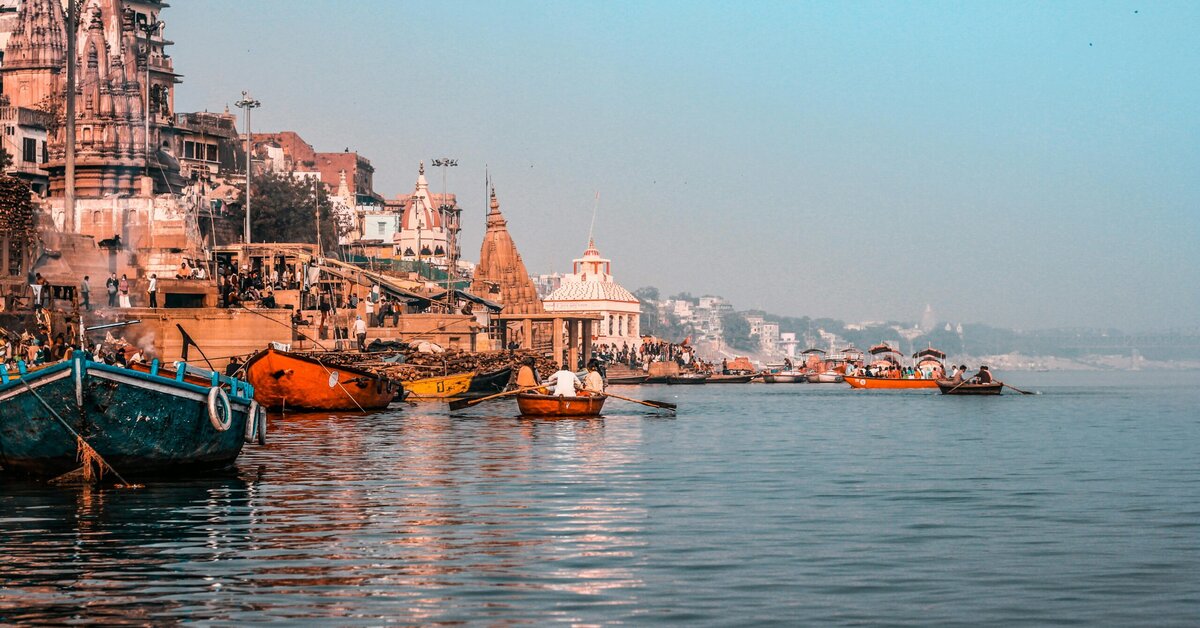
Why People Choose a Varanasi Trip , Every year millions of people choose Varanasi over every other destination in India. Not because it is comfortable. Not because it is easy. But because no other city on earth delivers what Varanasi delivers.
This guide explores the real reasons people choose Varanasi — and what each type of visitor actually experiences when they arrive.
The sacred Ganga is the primary reason most people choose Varanasi over any other destination.
VIP Sugam Darshan passes, verified outstation cabs, Ganga aarti boat allocations, and clean hotel stays — fully coordinated by our on-ground team.
Not the Ganga as a river. The Ganga as a living spiritual presence — the most sacred waterway in Hinduism, flowing through the most ancient city in the world, at the precise point where Varanasi has stood continuously for over three thousand years.
A sunrise Varanasi Boat Ride along the 84 ghats changes something in every person who takes it — regardless of religion, background, or expectations. The river at dawn, the ancient city awakening on the bank, the priests at the water’s edge — it is genuinely unlike anything else available anywhere in India.
People return to Varanasi specifically to return to the Ganga. That is not a common thing for any destination to inspire.
For India’s enormous Shiva devotee population — from Kashmir to Kanyakumari — Kashi Vishwanath is the ultimate pilgrimage destination. One of the twelve Jyotirlingas. The most sacred Shiva shrine on earth.
Millions of people choose Varanasi specifically for this single darshan. The new Kashi Vishwanath Corridor has made the experience more accessible than any previous generation has had — while the spiritual intensity of the shrine remains completely unchanged.
For every Shiva devotee — Varanasi is not optional. It is a lifetime obligation.
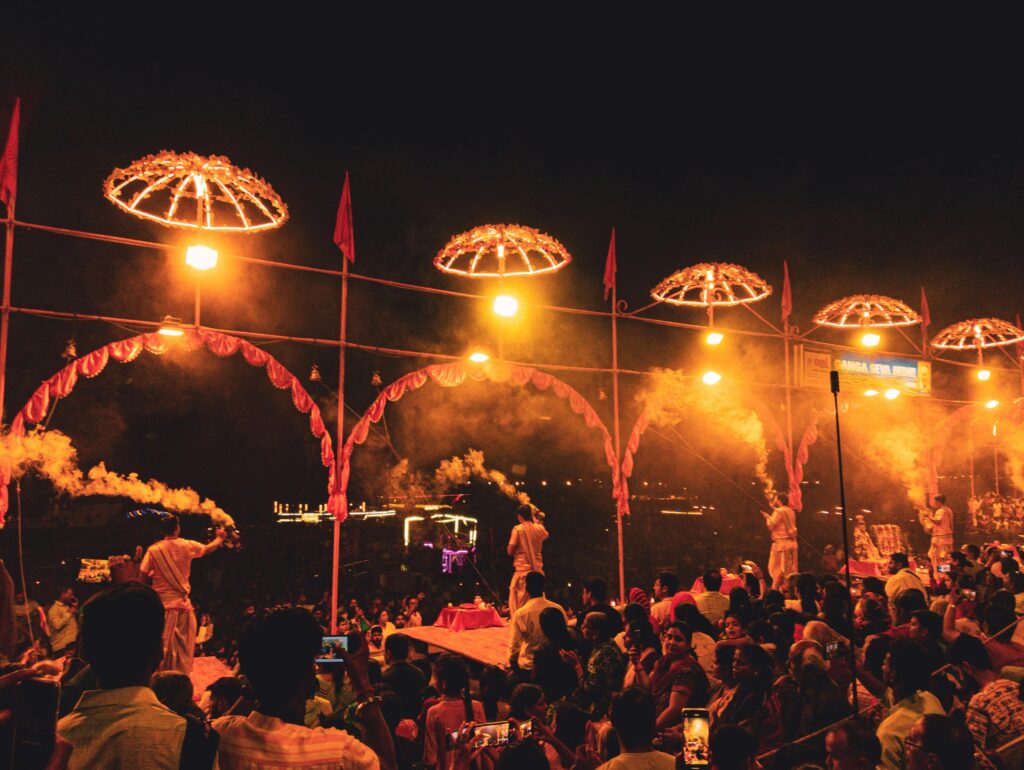
People who have never heard of Varanasi watch a video of the Dashashwamedh Ghat Ganga Aarti and immediately start planning a trip.
Seven priests. Synchronized fire lamps. Flowers and incense. Thousands of diyas floating downstream in the darkness. The most visually spectacular devotional ceremony in India — happening every single evening without fail, 365 days a year.
The Ganga Aarti is Varanasi’s single most powerful conversion moment — the experience that turns curious travellers into devoted repeat visitors.
Varanasi is the only city in India where dying is considered an act of spiritual liberation. According to Hindu belief, those who die in Kashi receive moksha — liberation from the cycle of birth and death — directly from Lord Shiva himself.
This belief draws elderly pilgrims from across India who want to spend their final years in Kashi. It draws families who bring ailing elderly relatives for what is considered the most auspicious possible end of life. It draws devotees who simply want to be near a city that holds this extraordinary spiritual significance.
Manikarnika Ghat — where the sacred cremation fires have burned for thousands of years — is not a morbid stop on any Varanasi itinerary. It is the most philosophically profound location in the city. People choose Varanasi partly because it holds death differently than anywhere else — with acceptance, with ritual, with grace.
Varanasi is the oldest continuously inhabited city in the world. Not the oldest ruins — the oldest living city. People have been born, worshipped, traded, and died here in unbroken continuity for over three thousand years.
Walking the old city lanes of Varanasi — the Vishwanath Gali, the silk weaving quarters, the ghat-side flower markets — is the closest thing available on earth to walking through living ancient history. The city has been here longer than Rome. Longer than Athens. And it is still completely alive.
People choose Varanasi because they want to touch something genuinely ancient — not reconstructed, not preserved in a museum, but alive and breathing and unchanged in its essential character.
Not everyone who chooses Varanasi is Hindu. The city draws enormous numbers of Buddhist pilgrims — from Sri Lanka, Thailand, Japan, Myanmar, Vietnam, Tibet, and across India — because Sarnath, 10 kilometres from the city centre, is where Gautama Buddha gave his first sermon after enlightenment.
The Dhamek Stupa at Sarnath is one of the four most sacred Buddhist pilgrimage sites in the world. The archaeological museum houses the Ashoka Lion Capital — the national emblem of India.
Varanasi gives Buddhist visitors the unique opportunity to combine the world’s most sacred Buddhist site with one of Hinduism’s holiest cities in a single visit — an extraordinary spiritual double that no other destination can offer.
Every regional Hindu tradition in India has its own version of the Kashi Yatra — the traditional pilgrimage to Kashi that is considered one of the most significant acts of religious devotion a person can complete.
Bengali families complete the Kashi Yatra as part of their post-wedding tradition. Telugu devotees visit during Savan month to fulfil Shiva vows. Gujarati families complete the Jyotirlinga circuit through Varanasi. Maharashtrian families perform pitru shraddha for their ancestors at the Ganga ghats.
Every community has a specific reason to come to Varanasi that goes beyond general pilgrimage — a specific ritual, a specific temple sequence, a specific sacred obligation. This creates an extraordinary diversity of visitor motivations within one destination.
Varanasi is not just a pilgrimage city. It is one of the most culturally rich cities in India — the home of Banarasi silk, classical music, Indian classical dance, Sanskrit scholarship, and the most sophisticated street food culture in North India.
People choose Varanasi for the silk sarees — the finest woven textile tradition in India. For the morning classical music at Assi Ghat. For the Banarasi lassi, the kachori sabzi, the chaat that has been perfected over centuries. For the poets and musicians and scholars who have made this city their home across the generations.
Varanasi rewards visitors who are curious about more than temples — which is why so many people who come once for the pilgrimage return again for the city itself.
For most North Indian pilgrims — Varanasi is the anchor of a broader sacred circuit that includes Ayodhya and Prayagraj.
Our Varanasi Ayodhya Prayagraj Tour covers all three holy cities in one seamless booking — the most popular pilgrimage circuit in Uttar Pradesh and the most complete way to experience the sacred geography of the Ganga basin.
Varanasi draws people who then want to extend — to Ayodhya for Ram Mandir darshan, to Prayagraj for the Triveni Sangam, to Haridwar for the Har Ki Pauri aarti. The city is the spiritual gateway to the entire North India pilgrimage world.
Our Varanasi Tour Package covers the complete Varanasi experience. Our Varanasi Cab Service connects Varanasi to every destination on the extended circuit.
First-time visitors: Overwhelmed — in the best possible way. Varanasi is more intense, more ancient, more alive, and more spiritually charged than any description prepares you for. Most leave planning their return visit.
Returning visitors: Quieter. More personal. Less tourist, more pilgrim. The river reveals different things on every visit. Long-term devotees describe each Varanasi visit as a conversation with the city — different every time.
Elderly pilgrims: The most emotionally complete. For a devoted 70-year-old grandmother completing her Kashi Yatra after decades of intention — the Kashi Vishwanath darshan and the Ganga boat ride together create one of the most moving experiences of any human life. This is what Varanasi does at its most powerful.
Families with children: Surprisingly engaging. Children remember Varanasi — the monkey at Durga Temple, the diyas on the river, the sound of the Aarti, the deer at Sarnath. It plants something that grows later in life.
International visitors: Consistently describe Varanasi as the most powerful travel experience of their lives. Not the most comfortable. Not the most photogenic. The most powerful.
Varanasi is the oldest continuously inhabited city in the world, one of the holiest cities in Hinduism, home to the Kashi Vishwanath Jyotirlinga, the Ganga Aarti, and Sarnath where Buddha gave his first sermon. No other single destination in India combines this concentration of sacred, historical, and cultural significance.
Absolutely. The ancient city’s architecture, the ghat culture, the Banarasi silk tradition, classical music, extraordinary street food, and the philosophical depth of a city that has engaged with life and death continuously for 3,000 years makes Varanasi one of the most genuinely interesting destinations in the world for any curious traveller.
Three days is ideal. Two days covers the essentials. One day is possible with a 5:00 AM start and a pre-booked cab. More than three days rewards devoted pilgrims completing the traditional Kashi Yatra sequence.
The sunrise Ganga boat ride — universally. Every visitor across every background, every age, every religious tradition names it as the most powerful Varanasi experience.
Absolutely. Chat on WhatsApp for instant booking — share your group size, dates, and what draws you to Varanasi specifically. Our team builds your complete plan around your reasons for visiting and confirms everything in one call.
Varanasi is chosen because nothing else delivers what it delivers. Chat on WhatsApp for instant booking and TripCosmos confirms your complete Varanasi trip instantly.
VIP Sugam Darshan passes, verified outstation cabs, Ganga aarti boat allocations, and clean hotel stays — fully coordinated by our on-ground team.
TripCosmos guarantees verified Kashi Vishwanath Sugam Darshan passes (zero line waiting), private Dev Deepawali & Ganga Aarti Bajra boats, and verified Toyota Innova Crysta cabs with trusted local chauffeurs.

Comments are closed.