Your cart is currently empty!
You may check out all the available trips and book one that suits you.
Continue Browsing Trips
North India Spiritual Tour from Varanasi – 7 Day Plan , Imagine experiencing seven days of pure spiritual bliss, traveling through India’s most sacred cities where ancient wisdom flows as freely as the holy rivers. The North India spiritual tour from Varanasi offers precisely this transformative journey—a carefully crafted 7-day pilgrimage connecting the region’s most revered spiritual destinations in one seamless, soul-enriching experience.
North India represents the birthplace of both Hinduism and Buddhism, housing countless temples, ashrams, and sacred sites where saints, sages, and enlightened beings walked for millennia. From the ghats of Varanasi to the Bodhi tree of enlightenment, from Lord Rama’s birthplace to the holy confluence at Prayagraj, this week-long journey creates profound connections with India’s timeless spiritual heritage. TripCosmos specializes in designing meaningful spiritual tours that balance devotion with comfort, ensuring your week becomes a cherished memory rather than an exhausting checklist of temples.
Varanasi isn’t just another starting point—it’s India’s spiritual nucleus, the city where life and death dance together on the ghats, where moksha (liberation) feels tangible, and where spiritual energy permeates every stone and alleyway. Beginning your journey here sets the perfect spiritual tone, immersing you immediately in India’s devotional intensity. The city’s 3,000-year continuous habitation means you’re walking where countless spiritual seekers have walked, seeking the same eternal truths you pursue.
Geographically, Varanasi serves as the ideal hub for North India spiritual circuits. It’s well-connected by air, rail, and road to major pilgrimage destinations—Prayagraj (130 km), Ayodhya (200 km), and Bodhgaya (250 km) lie within comfortable traveling distances. This proximity allows comprehensive spiritual exploration without exhausting long-distance journeys, maximizing your actual time at sacred sites rather than in transit.
Varanasi and nearby Sarnath together represent both major Indian spiritual traditions—Hinduism’s holiest city adjacent to Buddhism’s birthplace of teaching. This unique combination allows exploring both paths in one location, understanding their interconnections, and appreciating India’s rich spiritual diversity. Your journey encompasses both traditions, creating balanced, comprehensive spiritual education.
Your spiritual odyssey begins in Varanasi with sunrise boat rides on the sacred Ganges, visits to ancient Kashi Vishwanath Temple, exploration of the mystical ghats, and participation in the spectacular evening Ganga Aarti. Day two includes a profound visit to Sarnath, where Buddha delivered his first sermon, featuring the majestic Dhamek Stupa and peaceful deer park meditation.
Journey to Prayagraj for the sacred Triveni Sangam bath at the confluence of three holy rivers. Experience the powerful spiritual energy of this supreme pilgrimage site, visit ancient temples, and participate in riverside rituals that have continued for thousands of years.
Spend two meaningful days in Lord Rama’s birthplace, visiting the magnificent Ram Mandir, powerful Hanuman Garhi, beautiful Kanak Bhawan, and serene Sarayu River ghats. Experience the Ramayana heritage come alive through temples, rituals, and the city’s devotional atmosphere.
Travel to Buddhism’s most sacred site—the location of Buddha’s enlightenment. Meditate beneath the Bodhi tree, explore the stunning Mahabodhi Temple, visit international monasteries representing different Buddhist traditions, and absorb the peaceful, contemplative energy of this supreme spiritual destination.
The final day includes morning rituals at Bodhgaya or Gaya (for ancestral offerings if desired), followed by departure carrying the spiritual merit and blessings accumulated throughout this transformative week.
Day 1 – Arrival and Sacred Immersion
Your spiritual journey begins the moment you arrive in Varanasi. After hotel check-in and refreshing, head to the ghats for your first encounter with the Ganges. The late afternoon provides perfect light and comfortable temperatures for ghat exploration. Walk along the riverside, observing pilgrims performing rituals, priests conducting ceremonies, and the timeless rhythm of life along holy waters.
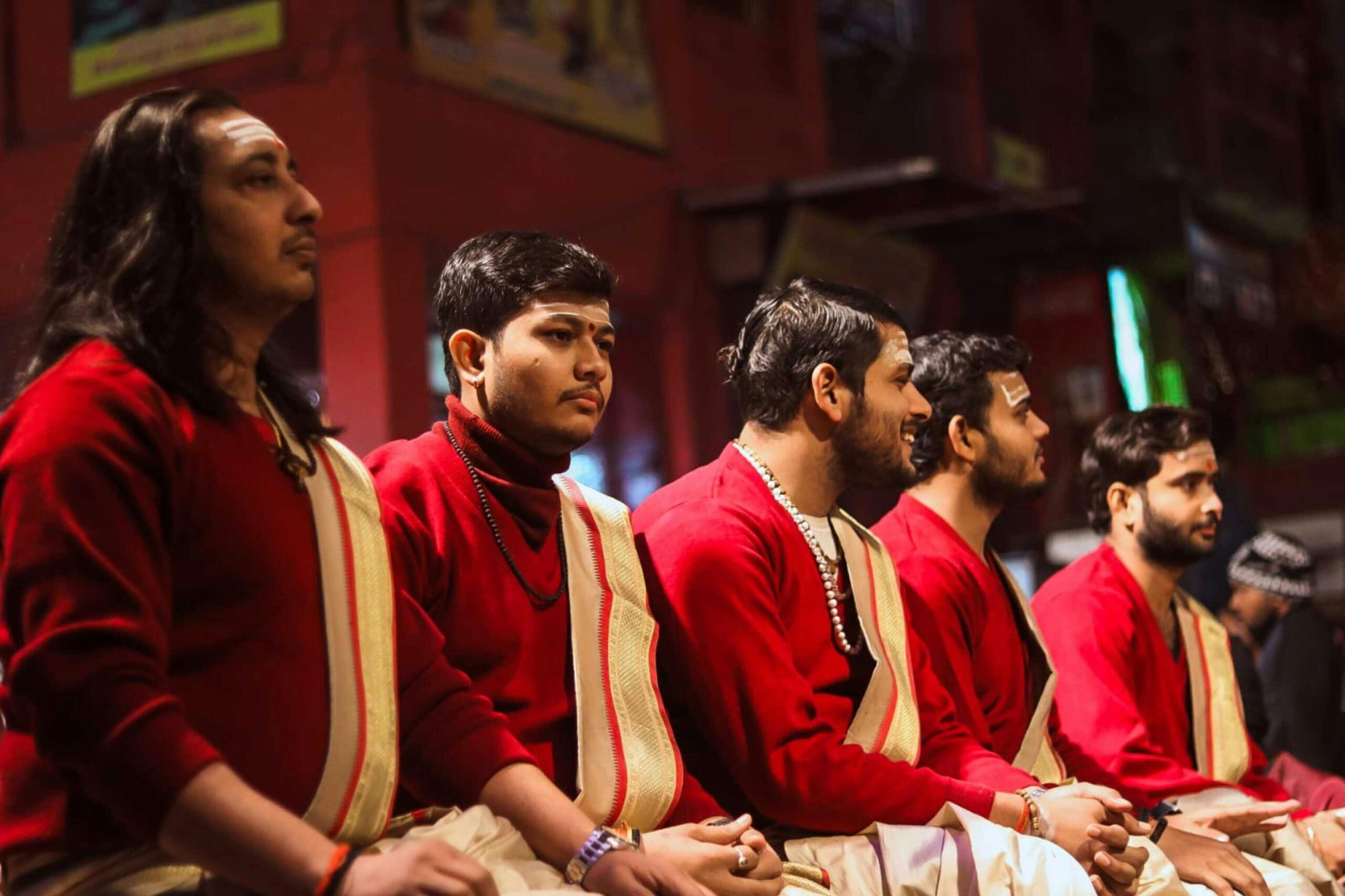
As evening approaches, position yourself at Dashashwamedh Ghat for the world-famous Ganga Aarti. This spectacular ceremony features young priests performing synchronized rituals with enormous brass lamps, accompanied by bells, chanting, and devotional music. The sight of hundreds of oil lamps floating on the river creates magical moments that capture Varanasi’s spiritual essence perfectly.
Day 2 – Varanasi Morning Rituals and Sarnath
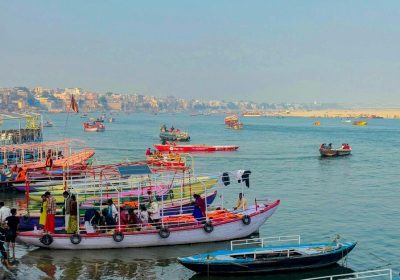
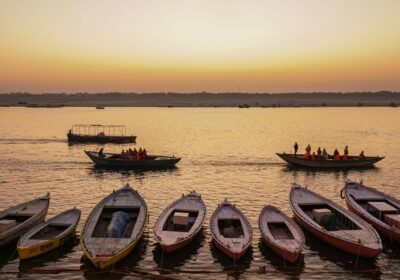
Wake before dawn (around 5:30 AM) for a sunrise boat ride on the Ganges—arguably the most profound experience Varanasi offers. As the sun rises, witness the city awakening: pilgrims bathing in sacred waters, yogis performing sun salutations, priests conducting morning pujas, and cremation ceremonies at Manikarnika Ghat reminding us of life’s impermanence. This two-hour boat journey provides deep insights into Hindu spirituality’s core beliefs about life, death, and liberation.
After breakfast, visit Kashi Vishwanath Temple, one of twelve Jyotirlingas (most sacred Shiva shrines). The temple’s golden spire and intense devotional atmosphere create powerful spiritual experiences. Explore nearby Annapurna Temple and the ancient lanes of old Varanasi.
Post-lunch, journey to Sarnath (30 minutes) where Buddha delivered his first sermon after enlightenment. The Dhamek Stupa, marking this sacred spot, rises majestically 43.6 meters. Spend quiet time in the peaceful deer park, visit the excellent Archaeological Museum housing the famous Ashoka Lion Capital, and meditate at Mulagandha Kuti Vihar temple. The contrast between Varanasi’s intensity and Sarnath’s serenity beautifully demonstrates different spiritual paths.
Journey and Sangam Darshan
After breakfast, depart for Prayagraj (approximately 3 hours journey). This ancient city, known as Prayag in scriptures and Allahabad during colonial times, represents Hinduism’s most sacred pilgrimage destination—the Triveni Sangam where Ganga, Yamuna, and mystical Saraswati converge.
Upon arrival, proceed directly to the Sangam. Boats take you to the confluence’s exact point where you can clearly see two rivers’ different colors merging—Ganga’s brownish waters meeting Yamuna’s clear blue flow, with invisible Saraswati believed to join underground. Taking a holy dip here, especially during auspicious times, holds supreme spiritual merit in Hindu tradition. Many pilgrims report feeling waves of peace and energy at this powerful location.
After bathing and changing, visit Hanuman Mandir inside Allahabad Fort, believed to contain a unique reclining Hanuman statue. Explore Anand Bhawan (Nehru family ancestral home turned museum), combining spiritual pilgrimage with India’s freedom struggle history. Evening brings beautiful Ganga Aarti at the riverfront before returning to your hotel for dinner and rest.
Day 4 – Sacred Ayodhya Temples
Depart after breakfast for Ayodhya (approximately 4 hours from Prayagraj). This ancient city, one of Hinduism’s seven holiest (Sapta Puri), radiates Ramayana heritage at every corner. After hotel check-in, begin with Hanuman Garhi—the fortress temple requiring a 76-step climb rewarded with panoramic city views and powerful devotional energy.
Continue to the magnificent Ram Mandir, consecrated in 2024 at Lord Rama’s exact birthplace. The temple’s stunning architecture, intricate carvings, and beautiful Ram Lalla (infant Rama) idol create profoundly moving experiences for devotees. The queues can be long, but the darshan (sacred viewing) proves worth every moment of waiting.
Visit Kanak Bhawan, gifted to Sita by her mother-in-law Kaikeyi, featuring beautiful idols of Rama and Sita adorned with gold ornaments. The evening brings serene Sarayu Aarti at the riverfront ghats, where oil lamps float peacefully on sacred waters as devotional songs echo across the river.
Day 5 – Ayodhya Heritage and Journey to Bodhgaya
Begin with morning prayers at your hotel or nearby temple, then visit additional sacred sites: Nageshwarnath Temple (established by Rama’s son Kush), Dashrath Mahal (birthplace of King Dasharatha), and Tulsi Smarak Bhawan museum documenting Ramayana heritage through displays and artifacts.
After lunch, embark on the journey to Bodhgaya (approximately 5-6 hours). This long but scenic drive passes through rural Bihar, offering glimpses of village life and agricultural landscapes. Arrive by evening, check into your hotel near the Mahabodhi Temple, and rest in preparation for tomorrow’s profound spiritual experiences.
Sacred Meditation and Temple Exploration
This day represents your tour’s spiritual pinnacle—spending quality time at Buddhism’s holiest site. Wake early (5:30-6:00 AM) to attend morning prayers at the Mahabodhi Temple when the atmosphere feels most peaceful and powerful. Join monks and pilgrims from around the world in meditation and chanting.
Spend extended time exploring the Mahabodhi Temple complex. The 52-meter pyramidal temple houses a magnificent golden Buddha statue in meditation posture. The sacred Bodhi tree—direct descendant of the tree under which Buddha attained enlightenment—grows behind the temple. You can actually sit beneath its branches for meditation, an extraordinary privilege connecting you directly to Buddhism’s supreme moment.
The Vajrasana (Diamond Throne) marks the exact enlightenment spot. Circumambulate the temple complex, practicing walking meditation along ancient pathways worn smooth by countless pilgrims across centuries. The spiritual energy here feels palpable—many visitors report experiencing unusual clarity, peace, or insights during meditation at this location.
Visit diverse international monasteries representing different Buddhist traditions—colorful Tibetan monasteries with spinning prayer wheels, elegant Thai temples, peaceful Japanese Daijokyo Temple, impressive Bhutanese monastery, and Vietnamese, Burmese, and Bangladeshi temples. Each showcases unique architectural styles and spiritual practices, creating a microcosm of global Buddhism.
Don’t miss the 80-foot Great Buddha Statue, explore Sujata Temple (where Sujata offered Buddha rice-milk before enlightenment), and visit the Archaeological Museum. Consider participating in meditation sessions offered by various monasteries—authentic Buddhist practice opportunities that deepen your understanding and experience.
Ancestral Offerings and Blessings
If time permits and you’re interested, morning can include visiting Gaya for Pinda Daan ceremonies—ancestral offerings performed at Vishnupad Temple and Falgu River ghats. Many Hindus come to Gaya specifically for these rituals believed to bring peace to departed ancestors’ souls. Your guide can arrange participation if desired.
Alternatively, spend final peaceful hours at Bodhgaya for last meditation beneath the Bodhi tree, collecting blessed mementos, or simply absorbing the sacred atmosphere one last time.
After lunch, depart for Gaya airport (16 km) or railway station for onward journey, carrying the spiritual merit, blessings, and transformative experiences of this incredible week. Many travelers report feeling fundamentally changed by this journey—more peaceful, centered, and connected to something greater than themselves.
This comprehensive tour covers 20+ major sacred sites: Varanasi’s Kashi Vishwanath Temple, Dashashwamedh Ghat, Manikarnika Ghat; Sarnath’s Dhamek Stupa and Mulagandha Kuti Vihar; Prayagraj’s Triveni Sangam and Hanuman Mandir; Ayodhya’s Ram Mandir, Hanuman Garhi, and Kanak Bhawan; Bodhgaya’s Mahabodhi Temple, Bodhi Tree, and international monasteries. Each location offers unique spiritual significance, combining to create comprehensive exposure to North India’s sacred heritage.
You’ll participate in multiple sacred river ceremonies—Varanasi’s grand Ganga Aarti (daily spectacle with thousands of devotees), Ayodhya’s peaceful Sarayu Aarti, Prayagraj’s Sangam riverside rituals, and early morning boat ceremonies. These powerful collective worship experiences, accompanied by bells, drums, fire lamps, and devotional chanting, create unforgettable spiritual moments and beautiful photographic opportunities.
The tour includes several meditation opportunities—sitting beneath the Bodhi tree at Bodhgaya (supreme Buddhist meditation spot), peaceful contemplation at Sarnath’s deer park, early morning riverside meditation at Varanasi ghats, and participation in monastery meditation sessions. Some packages include optional morning yoga classes at Varanasi or Bodhgaya. These practices deepen spiritual experiences beyond sightseeing into genuine inner transformation.
Authentic darshan (sacred viewing with devotion) at each location forms the tour’s spiritual core. Unlike rushed tourist visits, this itinerary allows adequate time for meaningful temple experiences—waiting in queue with genuine pilgrims, participating in rituals, offering prayers, receiving prasad (blessed food), and absorbing each location’s unique spiritual atmosphere. Premium packages can arrange VIP darshan at major temples, reducing queue time while maintaining spiritual authenticity.
Budget Tier (₹25,000-₹35,000 per person): Clean 2-3 star hotels or dharamshalas near temples, basic amenities, shared rooms (double occupancy), simple but comfortable lodging prioritizing location over luxury.
Standard Tier (₹40,000-₹60,000 per person): Comfortable 3-star hotels with modern facilities, well-located properties within walking distance of major temples, AC rooms with attached bathrooms, WiFi, and in-house restaurants serving vegetarian meals.
Deluxe Tier (₹65,000-₹90,000 per person): Quality 4-star hotels offering excellent comfort, premium locations, spacious rooms, better dining options, helpful concierge services, and overall superior experience.
Luxury Tier (₹95,000-₹1,50,000+ per person): Premium 5-star hotels or heritage properties, exceptional locations, gourmet vegetarian dining, spa facilities, personalized services, and maximum comfort supporting deep spiritual focus.
All packages include private AC vehicles (cars for 2-4 people, tempo travelers or minibuses for larger groups) for entire tour duration. This includes intercity transfers (Varanasi-Prayagraj-Ayodhya-Bodhgaya), local sightseeing at each destination, airport/railway station pickups and drops, and comfortable seating with adequate luggage space. Premium packages use luxury vehicles (Innova Crysta, Toyota Fortuner) with extra legroom and superior comfort.
Budget packages include daily breakfast; standard packages add one additional meal (lunch or dinner); deluxe and luxury packages provide all meals (breakfast, lunch, dinner). All food is strictly vegetarian respecting pilgrimage sanctity. Meals feature simple but nutritious North Indian cuisine—rotis, rice, dal, vegetables, curd, and regional specialties. Higher-tier packages offer varied multi-cuisine vegetarian options. Special dietary requirements (Jain, gluten-free, vegan, allergies) accommodated with advance notice.
Knowledgeable guides accompany you throughout, explaining each site’s religious significance, historical context, proper ritual etiquette, and deeper spiritual meanings. Budget packages provide basic guides for group tours; standard packages employ experienced guides with good English and scriptural knowledge; deluxe packages feature expert guides offering deeper philosophical insights; luxury packages include personal spiritual guides exclusively for your group, often with advanced degrees in religious studies or years of ashram experience.
Per Person Costs (Double Occupancy):
Inclusions: Accommodation (6 nights), all intercity and local transportation, meals as per tier, experienced guides, entry fees to monuments and museums, boat rides, assistance with rituals.
Exclusions: Flights/trains to Varanasi and from Gaya, travel insurance, personal expenses, tips for guides and drivers, special puja costs, optional activities.
Additional Costs: Single occupancy supplement (30-50% extra), VIP darshan arrangements (₹2,000-₹5,000 depending on temple), special ceremonies or pujas (₹1,000-₹10,000 depending on complexity).
Group Discounts: 10-15% off for groups of 6+ people. Family packages available with special rates for children.
October to March offers ideal weather (12-28°C) for comfortable temple visits and extensive outdoor activities. This period represents peak pilgrimage season with perfect conditions but higher prices (15-25% premium) and larger crowds.
November-February provides the most pleasant weather, especially comfortable for long sightseeing days. However, early mornings can be quite chilly (8-12°C), particularly during boat rides—pack warm layers.
February-March and October-November represent the sweet spot—excellent weather with slightly smaller crowds than peak winter. Important festivals like Maha Shivaratri (February/March) and Diwali (October/November) create special spiritual atmosphere but require advance booking.
April-June brings intense heat (35-45°C), making outdoor exploration challenging though temples remain accessible with AC vehicles and indoor respites. This off-season offers dramatic cost savings (30-40% discounts) and peaceful, uncrowded temples—suitable for heat-tolerant pilgrims prioritizing spiritual experiences over perfect weather.
Monsoon (July-September) sees reduced tourism due to humidity and rain. While uncomfortable, this season offers lush landscapes, lowest prices, and extremely peaceful sacred sites. If you don’t mind occasional showers and can handle humidity, monsoon provides deeply contemplative pilgrimage opportunities.
Special Considerations: Avoid traveling during major Kumbh Mela at Prayagraj unless specifically planning to attend—the city becomes overwhelmed with millions of pilgrims, making normal touring impossible.
Clothing: Modest, comfortable cotton clothes covering shoulders and knees (essential for temple visits). Bring 7-8 changes as laundry may not always be available. Light shawl or dupatta for women. Comfortable walking shoes easily removed at temple entrances. Warm layers for early morning boat rides and winter travel.
Spiritual Items: Small bag for temple visits (large bags often prohibited), offerings like flowers or incense if desired, notebook for spiritual reflections, meditation cushion or shawl for sitting comfortably, prayer beads if you use them.
Practical Essentials: Sunscreen and sunglasses, insect repellent, hand sanitizer and wet wipes, water bottle (reusable), basic first-aid kit and personal medications, flashlight for early morning activities, camera with extra batteries/memory cards, small day backpack.
Documents: Government photo ID, tour booking confirmations, travel insurance papers, medical prescriptions, emergency contact information, photocopies of important documents.
Money: Mix of cash (for temple donations, small vendors) and cards (widely accepted in cities). Indian Rupees in various denominations useful for offerings and tips.
Electronics: Phone with Indian SIM card or international roaming, portable charger/power bank, universal adapter (India uses 220V, Type C/D/M plugs).
Dress Code: Always cover shoulders, chest, and knees. Remove shoes before entering temples—socks usually allowed. Some temples prohibit leather items entirely (belts, wallets).
Photography: Never assume photography is allowed. Always ask permission before photographing deities, priests, ceremonies, or people. Many inner sanctums prohibit cameras. Respect these rules strictly.
Temple Behavior: Maintain silence in sanctum areas, walk clockwise around deities and stupas, never point feet toward sacred images, sit properly (men cross-legged, women with legs to side or folded), avoid public displays of affection.
Offerings and Donations: Modest donations (₹11, ₹21, ₹51, ₹101) considered auspicious. Never bargain with temple priests over ritual costs. If unsure about appropriate amounts, ask your guide privately.
Gender Considerations: Some temples restrict menstruating women—your guide can advise. Women should carry dupatta/shawl for covering heads where required.
Queue Discipline: Temple queues can be long—patience is virtue. Don’t push or cut lines. VIP darshan options available at some temples for time-constrained pilgrims.
Interactions with Priests: Show respect to religious figures. Address properly, don’t interrupt ceremonies, accept prasad with right hand or both hands, and follow instructions during rituals.
Food Etiquette: Many pilgrims follow restrictions during spiritual journeys—no alcohol, no non-vegetarian food, sometimes fasting on certain days. Respect these practices.
Expert Knowledge: Guides transform site visits from mere sightseeing to profound learning experiences, explaining scriptures, mythology, rituals, and philosophy in accessible ways.
Logistical Ease: Professionals handle all bookings, transportation, timing, and coordination, eliminating stress and allowing complete spiritual focus.
Cultural Navigation: Guides ensure proper etiquette, help participate in rituals correctly, translate local languages, and bridge cultural gaps respectfully.
Safety and Security: Experienced operators ensure safe transportation, vetted accommodations, and assistance during any emergencies or health issues.
Time Optimization: Efficient planning maximizes temple time while minimizing travel and queue time. Guides know best visiting hours, crowd patterns, and hidden shortcuts.
Authentic Experiences: Reputable operators like TripCosmos provide genuine spiritual experiences, avoiding tourist traps and connecting you with authentic practices and knowledgeable spiritual teachers.
Group Energy: Shared pilgrimage with like-minded seekers creates powerful collective spiritual energy, friendships, and support throughout the journey.
Value for Money: Package deals often cost less than independent arrangements while delivering superior quality, convenience, and peace of mind.
The 7-day North India spiritual tour from Varanasi offers an extraordinary journey through the sacred heartland where Hinduism and Buddhism were born and flourished for millennia. From Varanasi’s eternal ghats to Buddha’s enlightenment site, from Lord Rama’s birthplace to the holiest river confluence, this week compresses India’s vast spiritual heritage into one transformative, manageable experience.
This carefully designed itinerary balances depth with breadth, covering essential sacred sites while allowing adequate time for genuine spiritual experiences rather than rushed temple-hopping. Whether you’re a devoted pilgrim seeking religious merit, a spiritual seeker exploring India’s wisdom traditions, or a cultural traveler fascinated by ancient civilizations, this tour delivers profound, life-changing experiences.
The variety of package options—from budget-friendly to luxurious—ensures every sincere seeker can afford this sacred journey. The costs remain remarkably reasonable considering the priceless spiritual value received: blessings from ancient temples, meditation at supreme sacred sites, participation in timeless rituals, and connections with India’s living spiritual traditions.
Ready to embark on this transformative spiritual adventure places like : Ayodhya Chitrakoot Prayagraj Tour Package ? TripCosmos creates exceptional North India spiritual tours with experienced guides, comfortable arrangements, authentic experiences, and deep respect for these sacred traditions. Your journey toward peace, wisdom, and spiritual fulfillment awaits. Book today and step into the sacred heartland where millions have found enlightenment, devotion, and divine grace for thousands of years.
Absolutely! This tour is ideal for first-timers because it focuses on specific spiritual circuit rather than overwhelming you with all of India’s diversity. The structured itinerary, experienced guides, and arranged logistics eliminate common first-visit anxieties about navigation, language barriers, and cultural confusion. You’ll experience authentic India in a supported, safe environment. Guides explain customs and etiquette, help with food choices, and ensure comfortable acclimatization. Many first-time visitors choose spiritual tours specifically because the slower pace, meaningful experiences, and expert support provide gentle introduction to India. TripCosmos specializes in making first-timers feel comfortable while delivering authentic, transformative experiences.
Yes! While the standard 7-day plan provides balanced coverage, TripCosmos creates customized itineraries matching your specific interests. Want extra days in Bodhgaya for intensive meditation? Prefer extended Varanasi exploration? Interested in adding Vrindavan (Krishna’s birthplace) or other nearby spiritual sites? Customization possibilities are extensive. Simply communicate your priorities—whether certain deities, meditation practice, specific temples, or relaxed pacing—and operators design personalized itineraries. Customization may adjust pricing based on added days, locations, or special arrangements. Most travelers find the standard itinerary comprehensive, but flexibility exists for unique spiritual goals or interests.
Yes, numerous opportunities exist throughout the tour! Bodhgaya offers the supreme meditation opportunity—sitting beneath the Bodhi tree where Buddha achieved enlightenment. Sarnath provides peaceful deer park meditation. Several hotels along the route offer morning yoga sessions (inform operator in advance). Some packages include optional meditation instruction with experienced teachers. Varanasi features several renowned ashrams offering drop-in yoga and meditation classes. The tour’s pacing allows personal practice time—early mornings and post-dinner evenings free for individual spiritual practices. Premium packages can arrange private meditation or yoga instruction tailored to your experience level. Share your practice interests when booking for optimized scheduling.
Dietary accommodations are easily managed with advance notice. All tour meals are vegetarian, but beyond this, most requirements can be met: Jain food (no onion/garlic), vegan (no dairy), gluten-free, nut allergies, specific food intolerances. Inform your tour operator about restrictions during booking so they can brief hotels and restaurants. Guides carry this information and ensure your needs are communicated at each meal location. Many North Indian dishes are naturally gluten-free (rice-based) and modifications are common. However, very specialized diets (raw food, specific medical diets) may be challenging in smaller towns—discuss feasibility with operators beforehand. TripCosmos has extensive experience accommodating diverse dietary needs successfully.
Yes, with sensible precautions! Always drink bottled water (widely available and included in most packages). Avoid tap water, ice in drinks, and uncooked vegetables unless in reputable restaurants. Food from hotel restaurants and established eateries recommended by guides is generally safe. Street food can be delicious but carries higher risk—if you’re adventurous, ask guides to recommend safest vendors. Most travelers experience no issues following basic precautions. Hand sanitizer proves invaluable before meals. Package tours use vetted, reliable restaurants serving freshly cooked vegetarian food, minimizing risks significantly. Bring basic stomach medications (anti-diarrheal, antacids) as precaution, though most pilgrims complete the entire tour without digestive issues.
Get Details for : Varanasi Bodhgaya Rajgir Tour Package