Your cart is currently empty!
You may check out all the available trips and book one that suits you.
Continue Browsing Trips

Varanasi Tour Package for Foreigners , Varanasi stands as one of the world’s most extraordinary destinations, offering international travelers an authentic glimpse into India’s ancient spiritual traditions and vibrant cultural heritage. For foreign visitors, this timeless city on the Ganges River presents a fascinating blend of sacred rituals, architectural wonders, and deeply rooted traditions that have remained unchanged for millennia. Specially designed tour packages help international travelers navigate this complex, enchanting city with comfort, understanding, and unforgettable cultural immersion.
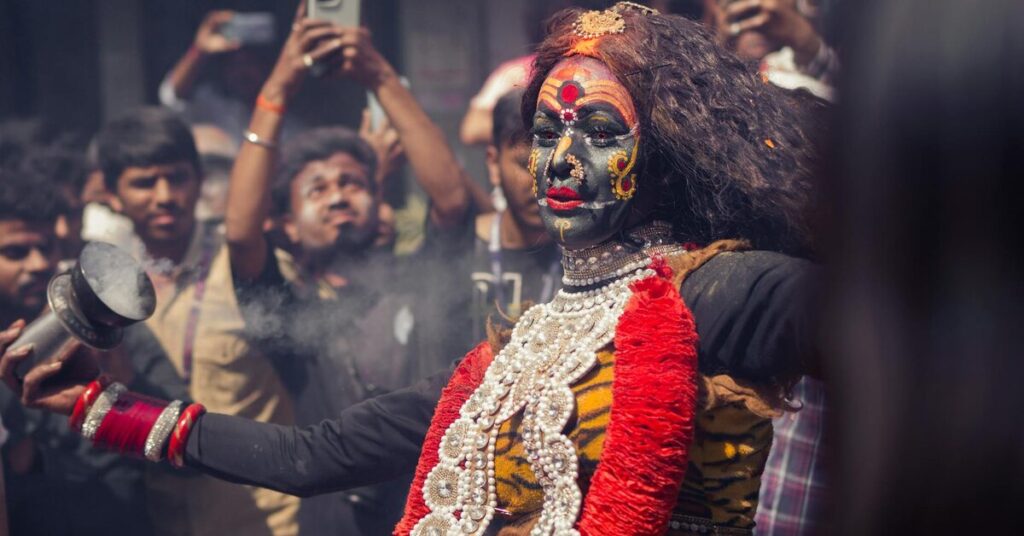
Varanasi Tour Package for Foreigners, also known as Kashi or Benares, holds the distinction of being one of the oldest continuously inhabited cities on Earth—with settlements dating back over 3,000 years. For foreign tourists seeking authentic India beyond modern cities and commercial tourism, Varanasi offers unparalleled access to living traditions that connect directly to ancient civilizations. This is where Hinduism’s philosophical and spiritual heart beats strongest, Book Now 2N3D Varanasi Tour Package.
The city’s profound spirituality manifests visibly along its 88 ghats (riverside steps) where millions of pilgrims perform sacred rituals. Foreign travelers witness life and death ceremonies coexisting harmoniously—morning bathers seeking purification steps away from cremation ghats where bodies return to the elements. This raw authenticity, though initially overwhelming, provides deep insights into Hindu beliefs about life’s cyclical nature and the soul’s eternal journey.
Beyond spirituality, Varanasi offers rich cultural heritage xperiences: classical music and dance traditions flourish here, with evening performances showcasing centuries-old art forms. The city’s narrow lanes hide artisan workshops producing world-famous Banarasi silk, intricate brassware, and traditional paintings. Street food culture thrives with delicious local specialties like kachori, jalebi, and lassi. The mesmerizing Ganga Aarti ceremony, with synchronized fire rituals and devotional chanting, creates spectacular sensory experiences that transcend language barriers.
Varanasi’s proximity to Sarnath—where Buddha delivered his first sermon after enlightenment—adds Buddhist significance, making it essential for travelers exploring India’s religious diversity. The fascinating contrast between Hindu and Buddhist traditions within 10 kilometers illustrates India’s remarkable religious pluralism and historical depth.
Budget Backpacker Package (₹10,000-₹15,000 per person): This affordable option covers 3 nights/4 days with basic accommodation in clean guesthouses or hostels in the old city area, non-AC transportation or public transport guidance, daily breakfast, basic guided walking tours, one boat ride on the Ganges, and essential site visits including Kashi Vishwanath Temple and Sarnath. Ideal for young international backpackers or budget-conscious travelers seeking authentic experiences. Accommodation includes shared or private rooms with basic amenities. Self-arranged lunches and dinners allow exploration of local eateries and street food. This package provides cultural immersion with minimal tourist infrastructure.
Standard Cultural Package (₹20,000-₹30,000 per person): The most popular choice for foreign tourists offers 4 nights/5 days in comfortable 3-star hotels near ghats with Western amenities, AC vehicle for all transfers and sightseeing, daily breakfast plus select meals at reputable restaurants, professional English-speaking guide with cultural expertise, two boat rides (sunrise and sunset), comprehensive temple and ghat tours, Sarnath full-day visit with museum, Ganga Aarti viewing from optimal positions, and basic cultural orientation about Hindu customs and etiquette. This package provides excellent balance between comfort and authentic cultural experiences with proper support infrastructure.
Deluxe Heritage Experience (₹40,000-₹60,000 per person): This premium offering includes 5 nights/6 days in 4-star heritage hotels or boutique properties with character and history, private AC vehicle throughout, all meals featuring both Indian and international cuisine options, expert guide with anthropological or religious studies background, three boat rides including special photography session during golden hour, VIP access arrangements at temples avoiding crowds, extended Sarnath exploration, classical music or dance performance viewing, cooking class learning traditional Indian cuisine, traditional silk weaving workshop visit, yoga and meditation session, and assistance with photography capturing stunning cultural moments. Perfect for travelers seeking comprehensive cultural understanding with enhanced comfort.
Luxury Immersion Package (₹80,000-₹1,20,000 per person): The most exclusive experience features 6 nights/7 days in 5-star luxury hotels or restored heritage havelis with world-class amenities, luxury vehicle with professional driver, gourmet meals at premium restaurants including fusion cuisine options, personal cultural concierge throughout journey, private boat experiences avoiding tourist crowds, exclusive after-hours temple access when possible, meetings arranged with local scholars, musicians, or spiritual teachers, professional photography service, traditional Ayurvedic spa treatments, private classical music concert, artisan workshop visits with personal demonstrations, custom shopping assistance at authentic silk showrooms, and helicopter option for aerial city views. This package ensures maximum cultural immersion with ultimate comfort and personalized attention.
Extended North India Circuit (₹1,50,000-₹3,00,000 per person): Comprehensive 10-15 day packages combine Varanasi with other iconic destinations: Delhi (historical monuments), Agra (Taj Mahal), Jaipur (Pink City), Khajuraho (temple art), or Buddhist circuit sites. These extensive packages create complete North Indian cultural experiences with Varanasi as the spiritual centerpiece.
Day 1 – Arrival and Cultural Orientation: International flights typically arrive at Delhi or Kolkata with domestic connections to Varanasi’s Lal Bahadur Shastri Airport. Pickup service meets foreign guests with name boards, assisting with luggage and navigation. Transfer to hotel (30-40 minutes) provides first impressions of Indian traffic, architecture, and street life. After check-in and refreshment, afternoon cultural orientation session with guide explains Hindu cosmology basics, Varanasi’s significance, temple etiquette, photography guidelines, and safety tips. This essential preparation helps foreign visitors understand and appreciate what they’ll witness. Evening gentle walking tour through nearby lanes introduces local life, street vendors, and traditional architecture. Dinner at reputable restaurant offering both Indian vegetarian options and international familiar dishes, allowing gradual adjustment to Indian cuisine. Early rest recommended after international travel fatigue.
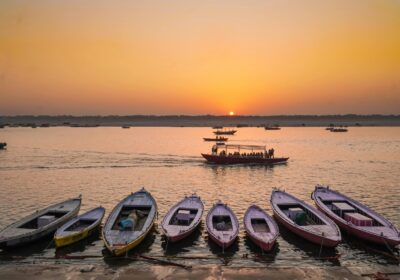
Day 2 – Sunrise Boat Ride and Ancient Temples: Early morning wakeup (5:30 AM) for the spectacular sunrise boat ride—Varanasi’s quintessential experience. Private or small-group boat glides along the Ganges (6:00-8:00 AM) as dawn breaks, revealing the city’s magnificent skyline of temples, palaces, and ghats. Guide explains rituals as you observe devotees bathing, performing yoga, conducting prayers, and making offerings. Pass Manikarnika Ghat (cremation site) with sensitive explanation of Hindu death rituals and beliefs about moksha (liberation). The mesmerizing light, spiritual atmosphere, and constant activity create profound impressions. Return to hotel for hearty breakfast. Late morning visit to Kashi Vishwanath Temple—one of Hinduism’s most sacred shrines dedicated to Shiva. Priority access arrangements minimize queue time. Guide explains temple architecture, religious symbolism, and proper etiquette for foreign visitors. Afternoon visit to Banaras Hindu University campus including Bharat Kala Bhavan Museum showcasing exquisite Indian art, textiles, and sculpture collections. Evening preparation for Ganga Aarti ceremony with explanation of ritual elements. Witness the spectacular synchronized fire worship at Dashashwamedh Ghat from boat position offering excellent views without crowd pressure. Dinner featuring traditional Banarasi cuisine with guide explaining dish origins and ingredients.
Day 3 – Sarnath Buddhist Heritage: Full day excursion to Sarnath (10 km from Varanasi), the sacred site where Buddha gave his first sermon after enlightenment. Visit the impressive Dhamek Stupa marking the exact location of Buddha’s first teaching about the Four Noble Truths and Eightfold Path. Explore extensive archaeological ruins of ancient monasteries where early Buddhist monks lived and studied. The Sarnath Museum houses extraordinary Buddhist art including the famous Ashoka Lion Capital (India’s national emblem) and numerous Buddha statues spanning different periods and styles. Guide explains Buddhist philosophy, the spread of Buddhism from India across Asia, and Buddhism’s relationship with Hinduism. Visit modern Mulagandha Kuti Vihar temple with beautiful frescoes depicting Buddha’s life painted by Japanese artist Kosetsu Nosu. Peaceful meditation session in the deer park where Buddha’s early disciples gathered. Lunch at Sarnath’s pleasant restaurants. Return to Varanasi afternoon. Optional evening activities: classical music performance, silk weaving workshop visit, or cooking class learning to prepare traditional Indian dishes.
Day 4 – Cultural Deep Dive: Morning walking tour through Varanasi’s labyrinthine old city lanes—narrow alleys unchanged for centuries reveal authentic daily life. Visit local markets selling flowers for temple offerings, traditional sweets, spices, and religious items. Stop at small neighborhood temples observing intimate worship contrasting with major tourist temples. Visit artisan workshops where craftsmen create Banarasi silk sarees, brass lamps, and wooden toys using centuries-old techniques. Opportunity to purchase authentic handicrafts directly from artisans. Lunch at local favorite restaurant frequented by Indians rather than tourist spots, providing genuine culinary experiences. Afternoon visit to Ramnagar Fort and Museum across the river, showcasing royal collection of vintage cars, weaponry, and artifacts from Varanasi’s erstwhile royal family. Alternative afternoon option: traditional yoga and meditation session with experienced teacher explaining philosophical underpinnings, not just physical postures. Evening sunset boat ride from different starting point (Assi Ghat or Raj Ghat) offering new perspectives on the city. Farewell dinner with traditional Banarasi thali (platter) featuring multiple regional dishes. Optional attendance at classical music or dance performance showcasing ancient Indian performing arts traditions.
Day 5 – Morning Rituals and Departure (Extended Packages): Final early morning boat ride capturing favorite ghats one last time. Participation in flower offering ceremony, floating diyas (oil lamps) on the Ganges as personal prayers or wishes. Final temple visits or shopping for souvenirs—silk scarves, prayer items, art, or books about Hinduism and Indian philosophy. Late check-out (noon or later) allowing leisurely breakfast and packing. Transfer to airport with cherished memories of profound cultural encounters.
Days 6-7 (Extended Luxury Packages): Additional experiences include day trip to Chunar Fort (historic medieval fortress), village visits experiencing rural Indian life, extended yoga and Ayurveda wellness programs, meetings with Sanskrit scholars or spiritual teachers, private dinner at heritage haveli, or exploration of lesser-known temples and sites away from tourist circuits.
Dress Code for Sacred Sites: Modesty is essential when visiting temples and religious areas. Both men and women should wear clothing covering shoulders and knees—avoid shorts, tank tops, or revealing clothing. Lightweight loose-fitting cotton clothes work perfectly in India’s climate while meeting religious requirements. Women might wear long skirts, loose pants, or traditional Indian kurtas. Men can wear full-length trousers with collared shirts or kurtas. Carry a shawl or scarf for covering heads when entering certain temples or as additional shoulder coverage. Remove footwear before entering temples—wear slip-on shoes for convenience. Bring socks if uncomfortable walking barefoot on stone floors.
Photography Guidelines: Photography is generally permitted at ghats and along the river, offering spectacular opportunities. However, important restrictions apply: never photograph cremation ceremonies at Manikarnika or Harishchandra Ghats—this shows disrespect to grieving families and violates privacy during sacred moments. Ask permission before photographing people closely, especially during bathing or worship. Many locals welcome photography and may pose happily; others prefer privacy. Temple interiors often restrict photography—ask guides or priests before clicking. Some temples charge camera fees (₹50-200). Archaeological sites like Sarnath allow photography (camera fee ₹25-₹100). Respect “no photography” signs without exception. Dawn and dusk provide stunning light for architectural and landscape photography.
Interaction Etiquette: Indians generally show warm hospitality toward foreign guests and appreciate respectful interest in their culture. Learning basic Hindi phrases—”Namaste” (hello), “Dhanyavaad” (thank you), “Kitna?” (how much?)—earns goodwill. When entering homes or temples, follow your guide’s lead regarding shoes, seating, and accepting offerings. If offered prasad (blessed food), accept graciously even if you don’t eat it immediately. Avoid public displays of affection—hand-holding is acceptable but kissing is inappropriate in conservative Varanasi. Use right hand for eating, giving, or receiving—left hand is considered unclean in traditional culture. When photographing people, showing them the photo afterward on your camera screen creates positive connections.
Religious Sensitivity: Varanasi’s intense religiosity deserves profound respect. Avoid dismissive comments about beliefs or practices that may seem unusual. Approach rituals with curious appreciation rather than judgment. If attending ceremonies, maintain quiet, respectful demeanor—avoid loud conversations or disruptive behavior. Never step over religious offerings or temple thresholds. Non-Hindus can enter most temples except inner sanctums of certain shrines—guides indicate restrictions. If uncomfortable witnessing cremations, inform guides who can adjust routes. Remember that for locals, these aren’t tourist performances but deeply meaningful spiritual practices representing their worldview and values.
Health and Hygiene: Drink only bottled water (available everywhere, ₹20-40 per liter)—never tap water. Brush teeth with bottled water. Avoid ice unless at high-quality restaurants. Start with simple Indian food at reputable restaurants before attempting street food—allow your system to adjust. Carry hand sanitizer and use before eating. Avoid raw salads initially; stick to cooked foods. Quality restaurants included in tour packages maintain hygiene standards suitable for international travelers. Common issues like mild stomach upset usually resolve quickly—guides carry basic medicines. Comprehensive travel insurance (₹2,000-5,000) covering medical issues is highly recommended. Varanasi has adequate medical facilities including Heritage Hospital for serious issues.
Safety Considerations: Varanasi is generally safe for foreign tourists, though common-sense precautions apply. Keep valuables secure—use hotel safes for passports, excess cash, and expensive electronics. Carry only necessary cash daily. Beware of pickpockets in crowded areas. Avoid isolated lanes after dark; stick to main ghats and populated areas. Use only registered accommodation and authorized guides/taxis arranged through reputable operators like TripCosmos. Decline unsolicited offers from touts claiming to be guides—they often lead to overpriced shops or scams. Women should dress conservatively and avoid traveling alone late at night. Trust your instincts; if a situation feels uncomfortable, return to your hotel or contact your guide.
Standard packages for foreign tourists comprehensively include accommodation for specified nights in chosen hotel category with Western amenities (attached bathrooms, toilet paper, hot water), intercity and local transportation in comfortable AC vehicles, daily breakfast plus select meals at hygiene-conscious restaurants, professional English-speaking guide throughout, entry fees to major sites (temples, museums, archaeological sites), boat rides on the Ganges as specified, Ganga Aarti viewing, basic cultural orientation and etiquette guidance, 24/7 emergency support contact, and assistance with any travel issues or concerns.
Common exclusions requiring separate budgeting include international and domestic flights to/from Varanasi (highly variable ₹30,000-₹1,50,000 depending on origin and booking time), visa fees for India (e-Tourist Visa approximately ₹25-80 USD depending on nationality and duration), travel insurance (strongly recommended, ₹2,000-₹5,000 for comprehensive coverage), lunches and dinners not specified in package (₹500-1,500 per meal depending on restaurant choice), alcoholic beverages (available at licensed restaurants and hotels—Varanasi doesn’t have bar culture), tips for guides and drivers (customary ₹1,000-3,000 total based on service quality and group size), shopping and personal purchases (budget ₹5,000-50,000+ for silk sarees, handicrafts, and souvenirs), optional activities like additional cultural performances or specialized workshops (₹1,000-5,000 each), and laundry services at hotels.
Value-added inclusions in premium packages may feature airport lounge access, welcome drink and traditional tilak blessing upon arrival, daily bottled water supply, mobile SIM card with local number and data, printed cultural guidebook or resource materials, small gift of traditional craft item, and surprise special touches like birthday celebrations or anniversary acknowledgments if informed during booking.
Optimal Season (October-November, February-March): These months offer ideal conditions for foreign tourists—comfortable temperatures (15-28°C), minimal rainfall, and pleasant weather perfect for extensive walking tours and outdoor activities. October-November features post-monsoon freshness with clear skies excellent for photography. February-March brings spring warmth with flowering trees and vibrant atmosphere. Tourist infrastructure operates at full capacity with all services available. Cultural festivals often occur during these months. Moderate crowds (not overwhelming) create lively yet manageable atmosphere. Prices are 15-20% higher than off-season but represent excellent value for optimal experience conditions. Book 6-8 weeks in advance for best hotel availability.
Peak Winter (December-January): Peak tourist season features cool, pleasant daytime temperatures (12-22°C) and cold nights (5-10°C). Western tourists familiar with cold weather find conditions comfortable, but tropical visitors may need significant warm clothing. Early morning boat rides require jackets, shawls, and warm layers. The festive atmosphere with Diwali, Christmas, and New Year creates exciting energy. However, this is Varanasi’s busiest period with maximum crowds and 30-40% higher prices. Advance booking (8-12 weeks) is essential. Popular hotels and guides fill quickly. For foreign tourists prioritizing optimal weather and willing to pay premium prices, this season delivers wonderful experiences.
Shoulder Season (September, April-May): September marks monsoon’s end with occasional showers, lush greenery, and 20-25% lower prices. April-May sees rising temperatures (30-40°C) challenging for many international visitors unaccustomed to intense heat. However, budget-conscious travelers tolerating heat find exceptional value. Activities concentrate during cooler morning (6:00-10:00 AM) and evening hours (5:00-8:00 PM) with afternoon hotel rest in air-conditioning. Fewer tourists mean more authentic local interaction and peaceful temple visits. Good option for travelers prioritizing budget over absolute comfort.
Monsoon (June-August): Rainy season brings 40-50% lowest prices and dramatic atmospheric beauty. Frequent rain creates romantic misty scenes but complicates logistics. Slippery surfaces, humidity, and potential travel disruptions challenge flexibility. However, spiritually-minded travelers appreciate the intense monsoon atmosphere—fewer tourists, lower prices, and powerful energy during rains when devotees believe the Ganges’ sacred power intensifies. Recommended only for adventurous foreign travelers with flexible schedules who embrace weather variations as part of authentic experience.
Advance Planning Timeline: Book international packages 8-12 weeks before travel during peak season (October-March), ensuring availability of quality hotels, experienced guides, and preferred travel dates. Off-season travel (April-September) allows shorter 4-6 week booking windows with better last-minute availability and potential flash-sale discounts.
Choosing Reputable Operators: Select established companies like TripCosmos with proven track records serving international clients. Verify credentials including registration, customer reviews on TripAdvisor or Google, responsive communication, transparent pricing with clear inclusions/exclusions, and willingness to customize itineraries. Avoid suspiciously cheap packages—quality guides, accommodation, and vehicles require reasonable investment. Mid-range to premium packages typically deliver better experiences than budget-basement options.
Visa and Documentation: Ensure valid Indian visa—e-Tourist Visa (approximately ₹25-80 USD) is convenient for most nationalities, allowing 30-60 day stays with double/triple entry options. Apply 4-120 days before arrival through official Indian government website. Carry passport copies, visa copies, and travel insurance documentation. Register with your embassy if required.
Communication: Confirm clear communication capability with tour operator—email, WhatsApp, or phone. Discuss any concerns, special requirements, or preferences during booking. Quality operators welcome questions and provide detailed pre-departure information packets including packing lists, cultural orientation materials, and emergency contacts.
Customization: Don’t hesitate requesting itinerary modifications—extra days, specific activities, dietary accommodations, photography focus, spiritual emphasis versus historical focus—reputable operators excel at personalization creating perfect experiences matching your interests and travel style.
The life-changing journey through Varanasi offers foreign travelers unparalleled windows into ancient traditions, profound spirituality, and vibrant cultural practices that have endured for millennia, creating transformative memories that reshape understanding of human diversity, religious devotion, and India’s extraordinary cultural wealth.
Varanasi is generally safe for solo foreign travelers, including women, especially when traveling with organized tour packages. Reputable operators provide dedicated guides who accompany guests throughout, ensuring safety and navigation assistance. However, solo travelers should exercise standard precautions: dress conservatively (covered shoulders and knees), avoid isolated areas after dark, use only authorized accommodation and transport, and stay in well-populated ghat areas. Women may experience curiosity from locals (staring is common) but harassment is unusual in tourist areas. Solo female travelers report positive experiences, particularly when booking with professional operators. The local culture respects foreign guests, and the presence of international pilgrims is normal. That said, trust your instincts—if situations feel uncomfortable, return to your hotel or contact your guide immediately. Many solo travelers find Varanasi incredibly rewarding once they adjust to its intensity.
Shopping budgets vary dramatically based on interests and quality preferences. For basic souvenirs—prayer items, small brass items, incense, postcards—budget ₹2,000-5,000. Quality silk scarves range ₹1,500-10,000 depending on silk purity and craftsmanship. Authentic Banarasi silk sarees, Varanasi’s specialty, cost ₹5,000-₹1,00,000+ with pure handwoven silk in intricate patterns commanding premium prices. Reputable silk showrooms provide quality guarantees and proper authentication. Brass items (lamps, statues, decorative pieces) range ₹500-20,000 based on size and detail. Handcrafted wooden toys, traditional paintings, and spiritual books cost ₹500-5,000. Expect to negotiate—initial prices may be 2-3 times final price. Guides can recommend authentic shops versus tourist traps, ensuring fair pricing and genuine products. Many foreign tourists spend ₹10,000-50,000 total on quality souvenirs and gifts. Premium packages sometimes include shopping assistance at reputable establishments, protecting against overcharging.
Yes, non-Hindus are generally welcome to observe and participate in many Hindu rituals with proper respect and guidance. Foreign visitors can make flower offerings at temples, float diyas (oil lamps) on the Ganges, receive blessings from priests, and participate in aarti ceremonies. Priests often perform special puja ceremonies for visitors (₹500-5,000 depending on elaborateness) with guides explaining the ritual significance. However, some restrictions apply—inner sanctums of certain temples prohibit non-Hindu entry, though most areas remain accessible. Never fake belief or mock rituals; sincere respect and genuine curiosity are appreciated. Guides facilitate appropriate participation, explaining proper etiquette and ritual meanings. Many foreign travelers find participating in Ganga Aarti (evening fire worship) or floating flower offerings deeply moving, regardless of personal religious beliefs. The key is approaching with open-minded respect rather than religious conversion expectations. Hindus generally welcome sincere interest in their traditions.
Tour packages include 24/7 support contacts if health issues arise. For minor problems—upset stomach, headache, mild fever—guides carry basic medications (antacids, pain relievers, anti-diarrheal medicines) and can arrange pharmacy visits for additional supplies. Most accommodation includes room service allowing rest and recovery. Reputable restaurants serve simple, easily digestible foods like plain rice, dal, toast when needed. For more serious issues, guides arrange doctor consultations at hotels or transport to quality medical facilities. Heritage Hospital and BHU’s Sir Sunderlal Hospital provide adequate care for most conditions. Travel insurance (strongly recommended for all foreign visitors) covers medical expenses and potential evacuation if necessary. Prevention strategies include: drinking only bottled water, eating at reputable restaurants initially, using hand sanitizer before eating, avoiding raw foods and ice initially, and communicating any pre-existing conditions when booking so operators can plan appropriately. Most travelers experience no significant health issues, but being prepared provides peace of mind.
India’s currency is the Indian Rupee (INR). Exchange currency at authorized locations—airport exchange counters, major banks, or reputable hotel exchange services—avoiding street money changers offering “better rates” who may provide counterfeit notes. ATMs are widely available in Varanasi, accepting international cards (Visa, Mastercard). Withdrawal limits typically range ₹10,000-40,000 per transaction with ₹200-₹500 fees. Notify your bank of India travel dates preventing card blocks for suspicious activity. Credit cards are accepted at hotels, premium restaurants, and established shops but not at street vendors, auto-rickshaws, or small local eateries. Carry sufficient cash in small denominations (₹10, ₹20, ₹50, ₹100 notes) for tips, donations, small purchases, and situations where change is unavailable. Money belts or hidden pouches protect larger cash amounts. Current exchange rates (January 2026) are approximately $1 USD = ₹83-84 INR, £1 = ₹105-106 INR, €1 = ₹90-92 INR (rates fluctuate). Daily cash needs for incidental expenses typically range ₹1,000-3,000 beyond package-included meals and activities.
More Info : Varanasi Family Tour Packages


One Comment
Comments are closed.