Your cart is currently empty!
You may check out all the available trips and book one that suits you.
Continue Browsing Trips
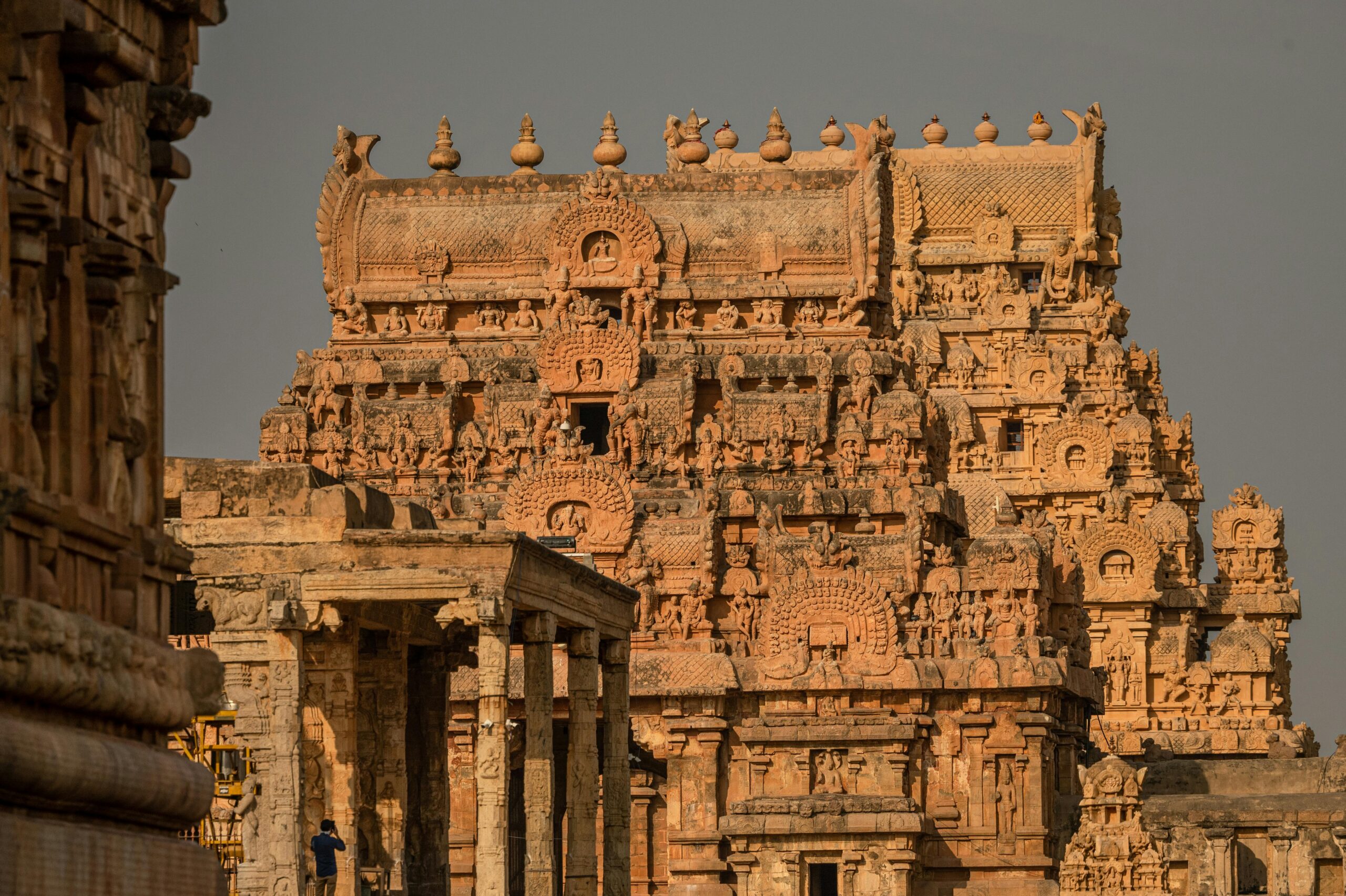
7 Costly Mistakes While Planning Varanasi Ayodhya Prayagraj Trip, You’ve been dreaming about this spiritual journey for months. The ancient ghats of Varanasi, the sacred Ram Janmabhoomi in Ayodhya, the holy confluence at Prayagraj—these aren’t just destinations, they’re experiences that promise transformation. But here’s the uncomfortable truth: poor planning can turn your dream pilgrimage into an expensive nightmare.
7 Costly Mistakes While Planning Varanasi Ayodhya Prayagraj Trip , Planning mistakes cost you in three currencies—money, time, and experience quality. That hotel you booked because it was cheap? It might be two hours from the main ghats, wasting four hours daily in traffic. That “great deal” you found during Diwali week? You’ll discover prices have tripled and hotels are overbooked. The spiritual moments you imagined? They’ll be rushed, stressed, or missed entirely because you didn’t understand how these sacred cities actually work.
I’ve seen travelers waste thousands of rupees and ruin once-in-a-lifetime trips through avoidable mistakes. Let’s examine the seven most costly errors people make when planning this spiritual circuit—and more importantly, how you can avoid every single one of them.
VIP Sugam Darshan passes, verified outstation cabs, Ganga aarti boat allocations, and clean hotel stays — fully coordinated by our on-ground team.
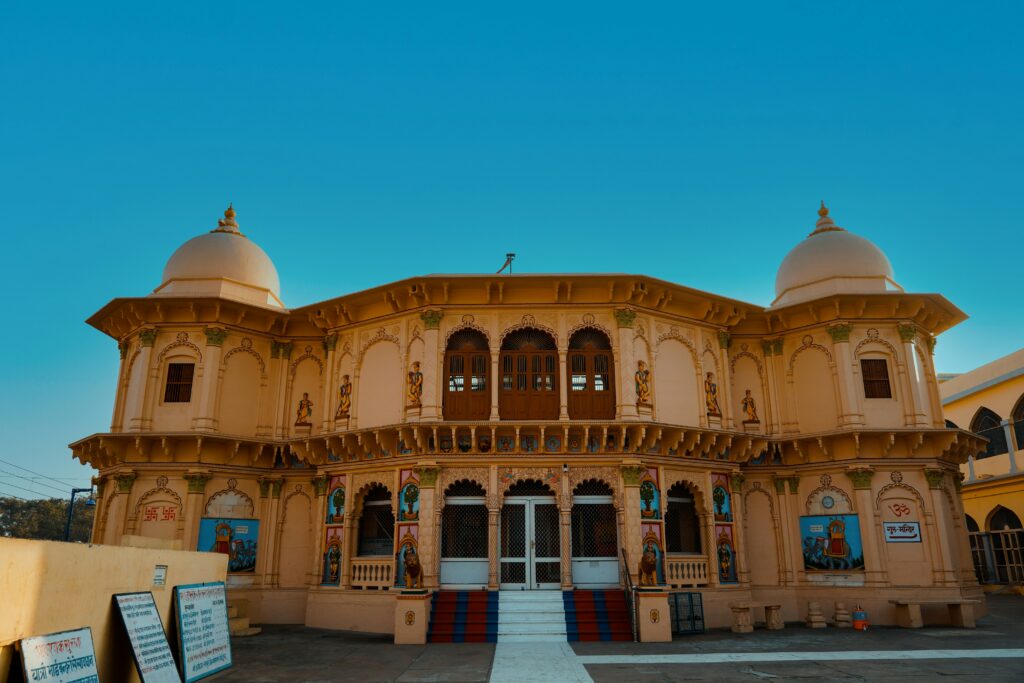
7 Costly Mistakes While Planning Varanasi Ayodhya Prayagraj Trip , Picture this: You decide in October that you want to visit Varanasi during Dev Deepawali in November. Sounds reasonable, right? You search for hotels and discover that the ₹2,000-per-night guesthouse now costs ₹8,000. That ₹15,000 tour package you saw three months ago? Now it’s ₹28,000 for the same services.
7 Costly Mistakes While Planning Varanasi Ayodhya Prayagraj Trip , Peak season in this spiritual circuit runs from October through February, with specific festivals causing massive price spikes. Dev Deepawali in Varanasi, Ram Navami in Ayodhya, and Magh Mela in Prayagraj see hotel rates increase 200-400%. What makes this worse? Many travelers don’t realize certain dates are festivals until they see the prices.
7 Costly Mistakes While Planning Varanasi Ayodhya Prayagraj Trip , During Kumbh Mela years in Prayagraj, the entire city transforms into temporary accommodations charging premium rates. A tent with basic amenities might cost ₹5,000-10,000 per night—more than five-star hotels during regular periods.
7 Costly Mistakes While Planning Varanasi Ayodhya Prayagraj Trip , Beyond inflated prices, you face the availability crisis. Good hotels sell out 3-6 months before major festivals. That leaves you with two terrible choices: pay exorbitant rates for substandard properties far from attractions, or cancel your trip entirely.
7 Costly Mistakes While Planning Varanasi Ayodhya Prayagraj Trip , I’ve witnessed families arriving in Varanasi during peak season without bookings, spending their first day desperately searching for accommodation instead of experiencing the spiritual atmosphere they traveled to find. They eventually settle for hotels 15 kilometers from the ghats, spending half their time in traffic.
7 Costly Mistakes While Planning Varanasi Ayodhya Prayagraj Trip , Research the festival calendar before choosing dates. Websites like drikpanchang.com list Hindu festivals by city and date. If you’re planning around festivals intentionally, book 4-6 months ahead and confirm reservations one week before departure.
For spontaneous travelers, avoid November-January entirely unless you’re comfortable with premium pricing and limited choices. February-March and September offer excellent compromise—pleasant weather, fewer crowds, and reasonable prices.
Consider shoulder dates around festivals. Instead of visiting during Dev Deepawali itself, arrive two days before or after. You’ll still experience the city’s festive atmosphere while avoiding peak pricing and crowds.
Here’s how this mistake unfolds: You compare hotels on booking websites, sort by price, and book the cheapest 3-star option. You’ve saved ₹2,000 per night—until you arrive and discover your “centrally located” hotel sits 8 kilometers from Dashashwamedh Ghat.
Varanasi’s geography matters enormously. Hotels near the ghats let you walk to morning aarti, spontaneously explore lanes, and return easily when tired. Hotels far from the action require constant auto-rickshaw rides (₹200-400 each way), waste 2-3 hours daily in transit, and disconnect you from the spiritual atmosphere.
In Ayodhya, distance from Ram Janmabhoomi turns quick temple visits into half-day expeditions. In Prayagraj, staying far from the Sangam means missing optimal sunrise timing for holy dips.
That suspiciously cheap hotel often hides problems only revealed upon arrival. I’m talking about rooms facing noisy streets where sleep becomes impossible, bathrooms with unreliable hot water (crucial for morning ablutions before temple visits), or neighborhoods where evening walks feel unsafe.
Some budget properties advertise amenities that don’t work—AC units that barely cool, WiFi that doesn’t connect, or restaurants that closed months ago. You discover these issues after checking in, when changing hotels becomes complicated.
Balance price with location and reviews. A hotel costing ₹1,500 more per night but saving you ₹400 daily in transport and two hours in traffic delivers better value. Multiply that across four nights—you’re saving time and experiencing convenience worth far more than ₹6,000.
Read recent reviews obsessively. Look beyond star ratings to detailed comments about location, noise levels, water reliability, and actual service quality. Sort reviews by “recent” not “helpful”—a five-star review from 2022 means nothing if the property deteriorated in 2024.
Use Google Maps to verify distances. Don’t trust booking sites’ “city center” claims. Measure actual distance from your hotel to specific sites you’ll visit. Anything over 2-3 kilometers in these congested cities means significant travel time.
Amateur planners see that Varanasi to Ayodhya is 200 kilometers and think, “That’s two hours, easy.” Then reality hits. This isn’t highway driving—it’s navigating through cities, towns, and traffic that turns 200 kilometers into 4-5 hours minimum.
I’ve watched travelers plan “morning in Varanasi, afternoon in Ayodhya, evening in Prayagraj” itineraries that look logical on paper but become exhausting ordeals. You spend 6-8 hours in vehicles, arrive exhausted, and have no energy for actual spiritual experiences.
Add buffer time for unpredictable factors—traffic jams, road construction, bathroom breaks, meal stops, and vehicle issues. That “reliable 4-hour journey” becomes 6 hours on bad days. If you’ve scheduled a 2:00 PM temple visit and hit traffic, you’re stressed, rushed, and missing the peaceful mindset spiritual tourism requires.
Underestimating travel time forces you to skip experiences. You can’t take that magical sunrise boat ride because you need to depart early for the next city. You rush through temples instead of absorbing their atmosphere. Those narrow lanes begging for exploration remain unexplored because “we need to leave by 11:00 AM.”
The spiritual depth you sought gets sacrificed to logistical timing. You’re completing a checklist rather than experiencing transformation.
Allocate full travel days between cities. If moving from Varanasi to Ayodhya, consider that a transition day with minimal other activities. Plan to arrive, check in, rest, and perhaps do light evening exploration. Save major experiences for the next day when you’re refreshed.
Use trains strategically for overnight travel. The Varanasi-Prayagraj overnight train lets you sleep during transit and wake refreshed at your destination, effectively adding a full day to your itinerary without extra hotel costs.
Budget 5-6 hours minimum for intercity road travel. Yes, you might arrive faster, but planning conservatively prevents schedule compression stress. Extra time allows spontaneous stops—interesting temples, scenic viewpoints, or local eateries you’d otherwise miss.
Most travelers skip insurance for domestic trips, thinking “What could go wrong?” Then food poisoning strikes, requiring hospitalization. Or someone slips on wet ghat steps, fracturing a bone. Or underlying conditions flare up in the stress and heat.
Medical care in these cities ranges from basic government hospitals to premium private facilities. A three-day hospitalization for serious food poisoning at a decent private hospital costs ₹50,000-1,00,000 easily. Emergency evacuation to Delhi or Mumbai for specialized treatment? Add ₹2,00,000-5,00,000.
Without insurance, these costs come directly from your pocket, potentially destroying travel budgets and creating financial stress for months afterward.
Life happens. Family emergencies arise. Sudden work commitments appear. Health issues prevent travel. If you’ve paid ₹1,50,000 for a family tour package and need to cancel two days before departure, you lose most of that money without trip cancellation insurance.
Premium tour operators sometimes offer flexible cancellation, but budget operators typically have strict “no refund” policies once you’re within 7-14 days of departure.
Purchase comprehensive travel insurance covering medical emergencies, trip cancellation, and baggage loss. Domestic travel insurance in India costs ₹300-800 per person for a week—negligible compared to potential losses.
Carry basic medications: anti-diarrheal medicine (stomach issues are common for travelers), pain relievers, any prescription medications with copies of prescriptions, and rehydration salts. Indian pharmacies stock most medicines, but having basics prevents midnight emergencies.
Check vaccination status and consider hepatitis A/typhoid vaccinations if you’re unfamiliar with Indian food hygiene. Get travel medical advice from doctors, especially if you have chronic conditions.
Research hospital locations in each city before you go. Know where the nearest quality medical facility sits relative to your hotel. In emergencies, precious minutes matter.
Imagine arriving at Kashi Vishwanath Temple after an hour-long queue, only to be denied entry because you’re wearing shorts. Or being turned away from a sacred site because your shoulders are uncovered. This happens daily to uninformed travelers.
Hindu temples have strict dress codes: no shorts or short skirts (knees must be covered), no sleeveless tops (shoulders covered), and sometimes specific color restrictions (avoid black at certain temples). Some temples require head coverings for women. Footwear must be removed—you’ll walk barefoot on stone that’s scorching hot in summer or freezing cold in winter.
Many temples prohibit leather items inside, including belts and wallets. Some restrict photography entirely or charge camera fees. Certain areas exclude non-Hindus or prohibit women during menstruation (though enforcing this is increasingly rare).
Cultural ignorance creates awkward moments. Pointing your feet at deities (offensive in Hindu culture). Turning your back to the sanctum. Using your left hand for ritual offerings (considered impure). These aren’t just faux pas—they can genuinely offend devotees and priests.
Public displays of affection, acceptable in many cultures, are inappropriate in temple towns. I’ve seen foreign couples asked to separate or leave temples because of holding hands or brief kisses that would be innocuous elsewhere.
Pack appropriate clothing: lightweight cotton pants or long skirts, shirts with sleeves, and scarves for additional coverage if needed. Keep a dedicated “temple outfit” that covers knees and shoulders comfortably in India’s heat.
Learn basic etiquette: remove shoes before entering temples (you’ll see shoe racks outside), wash hands and feet at provided facilities before entry, walk clockwise around sanctums, and ask permission before photographing anything.
Understand prasad (blessed food) protocols. When offered, accept it with your right hand and consume at least a small portion. Refusing prasad can offend, though genuine dietary restrictions are usually understood when explained respectfully.
Research specific temples before visiting. Some have unique requirements—Kashi Vishwanath requires leaving phones and bags in lockers outside. Some Ayodhya temples have specific circumambulation practices. Knowing expectations prevents surprises.
The moment you step off the train in Varanasi, friendly locals approach offering help. Many are genuine. Some are skilled scammers. Distinguishing between them determines whether you have authentic experiences or get financially exploited.
Common scams include:
The “Closed Today” Scam: Taxi drivers or touts claim your hotel is closed, flooded, or has given away your room. They’ll helpfully take you to their “brother’s hotel” instead—where they collect commission and you pay inflated rates for inferior rooms.
The Silk Shop Pressure: “Guides” take you to silk shops owned by relatives, claiming wholesale prices while charging retail or higher. You’ll face intense pressure to buy, with emotional manipulation about supporting local artisans.
The Boat Overcharge: Unauthorized boatmen quote ₹500-1,000 for boat rides actually costing ₹200-300. They’ll claim special access or unique routes, delivering standard experiences at premium prices.
The Ceremony Upsell: Self-appointed priests at ghats offer to perform special ceremonies, then demand ₹5,000-10,000 afterwards when you expected ₹500. They become aggressive about payment, creating uncomfortable confrontations.
The Donation Pressure: Temple visitors get surrounded by “official” donation collectors claiming mandatory contributions. Legitimate temples never mandate donations or aggressively solicit money.
Beyond money loss, scams create safety risks. Getting into unauthorized taxis leaves you vulnerable. Following touts into shops in unfamiliar areas raises robbery risks. Aggressive money demands can escalate into threatening situations.
Scams also waste time—hours spent in shops you didn’t want to visit, dealing with taxi drivers taking you to wrong places, or arguing about overcharges for services.
Book transportation through your hotel or recognized apps like Uber/Ola. Pre-arrange airport/station pickups with your hotel, confirming driver details and vehicle numbers before arrival.
Hire government-certified guides identified by official badges and ID cards. Ask to see credentials. Licensed guides have registration numbers verifiable with tourism offices. Expect to pay ₹1,000-2,000 per day for certified guides—if someone offers services for ₹300, they’re not official.
Agree on prices before any service begins. For boat rides, establish the duration and price upfront. For shopping trips, make clear you’re not obligated to buy. For ceremonies, clarify donation expectations before participating.
Trust your hotel’s recommendations for shops, restaurants, and guides. Established hotels protect their reputations by suggesting reliable vendors, not commission-seeking scammers.
Ambitious travelers try cramming everything into limited time. Morning boat ride at 5:30 AM, Kashi Vishwanath by 8:00 AM, Sarnath by 10:00 AM, Durga Temple by 2:00 PM, silk weaving demo by 4:00 PM, evening aarti at 6:00 PM, classical music performance at 8:00 PM. It looks productive on paper. It becomes exhausting in reality.
You’re running from site to site, checking boxes without experiencing anything deeply. That boat ride at sunrise—meant to be meditative and transformative—becomes just another item to complete before rushing to the next activity.
Spiritual tourism differs from regular sightseeing. You need time to absorb, reflect, and simply be present. Over-scheduling prevents the very transformation you’re seeking.
The magic of these spiritual cities often happens spontaneously. A conversation with a pandit explaining ancient rituals. Stumbling upon a small temple ceremony with incredible energy. Watching artisans work while chatting about their craft. Sitting peacefully on a ghat as sunset paints the sky.
These moments can’t be scheduled. They require free time, relaxed pacing, and openness to deviation from plans. Over-packed itineraries eliminate this space.
Follow the “60% rule”—plan only 60% of each day, leaving 40% for spontaneity, rest, and unexpected opportunities. If you’re in Varanasi, schedule the boat ride and one major activity, then see what emerges naturally.
Build in rest periods. After intense morning activities, plan hotel return time for lunch, rest, and processing experiences. You’ll have energy for evening activities rather than dragging through exhausted.
Prioritize depth over breadth. Better to truly experience five sites over five days than superficially visit fifteen. Select what genuinely interests you, then allocate sufficient time for meaningful engagement.
Accept that you won’t see everything—and that’s perfectly fine. These cities have existed for millennia and will continue existing. You can return. Missing something this trip creates reasons to come back rather than regrets.
Street food temptation in Varanasi proves irresistible—the famous chaat, kachori, lassi, and sweets call to every visitor. But ignoring food safety causes half of all travelers’ health issues.
Eat at busy stalls where high turnover ensures fresh food. Avoid meat and raw vegetables initially until your stomach acclimates. Drink only bottled water, checking seals are intact. That refreshing lassi? Make sure it’s made with boiled milk, not raw.
Sudden dietary changes shock systems. If you normally eat non-vegetarian food three times daily and switch to completely vegetarian temple food, your digestion rebels. Transition gradually—reduce meat consumption before your trip so your body adjusts.
Carry digestive aids and anti-diarrheal medication. They’re available at Indian pharmacies, but having them prevents midnight emergencies when everything’s closed.
Let’s calculate the real financial impact:
Total potential cost of these mistakes: ₹74,000-2,61,000 plus significant experience degradation. On a trip costing ₹25,000-40,000, these mistakes can triple your actual spending while halving your enjoyment.
Already mid-trip and realized you’ve made planning errors? Here’s damage control:
Bad Hotel Location: Cut your losses. Pay the cancellation fee and rebook closer to action. The ₹2,000-3,000 loss saves you daily transport costs and time.
Over-Packed Schedule: Cross off half your planned activities immediately. Depth beats breadth. Your trip improves instantly when you stop rushing.
Scam Situation: Walk away firmly but politely. Don’t argue or threaten—just leave. Report serious scams to tourist police at major tourist sites.
Health Issues: Seek medical care immediately at recommended facilities. Don’t tough it out—you’re wasting precious trip time being miserable.
Cultural Offense: Apologize sincerely if you’ve inadvertently offended. Most Indians appreciate genuine respect for their culture and forgive honest mistakes graciously.
Planning a Varanasi-Ayodhya-Prayagraj spiritual journey involves navigating complexities that can make or break your experience. These seven mistakes—booking peak season last-minute, choosing hotels by price alone, underestimating travel time, skipping insurance, ignoring cultural norms, falling for scams, and over-packing itineraries—cost travelers tens of thousands of rupees and transform dream pilgrimages into stressful ordeals.
The good news? Every single mistake is completely avoidable with proper research, realistic planning, and cultural sensitivity. Invest time in preparation. Book strategically. Pace yourself reasonably. Respect local customs. Stay alert for scams. Protect yourself with insurance.
Do this, and your spiritual circuit tour delivers the transformative experiences you’re seeking—without the financial hemorrhaging and stress that poor planning creates. The sacred cities await. Plan wisely, and let them work their magic.
Booking during major festivals without advance planning costs the most—both financially and experientially. Hotel rates increase 200-400%, availability disappears forcing you to substandard distant properties, and crowds diminish the intimate spiritual moments you’re seeking. A trip costing ₹25,000 during regular season can become ₹60,000+ during Dev Deepawali or Ram Navami. The solution: either book 4-6 months ahead or avoid festival dates entirely. If festivals attract you, understand you’re paying premium prices for premium crowds—not everyone’s ideal spiritual experience.
Legitimate operators have Ministry of Tourism registration (ask for registration numbers and verify at incredibleindia.org), physical offices you can visit, detailed contracts specifying exact hotels and services, professional websites with verifiable contact information, and extensive online reviews across multiple platforms dating back years. Red flags include operators demanding full payment upfront with no deposit structure, vague itineraries not naming specific hotels, pressure for immediate booking, communication only through WhatsApp without official email, and suspiciously low pricing compared to market rates. Always Google the operator’s name plus “scam” or “review” to see what appears.
Yes, especially for spiritual circuit tours. These cities present unique health risks—food-borne illnesses from street food, heat exhaustion during summer, respiratory issues from poor air quality, and injury risks on crowded ghats with uneven steps. Medical care at quality facilities is expensive (₹50,000-1,00,000+ for serious issues requiring hospitalization). Trip cancellation coverage protects your investment if family emergencies prevent travel. Comprehensive domestic travel insurance costs ₹300-800 per person weekly—trivial compared to potential losses. Consider it essential, not optional, especially if you have pre-existing health conditions or are traveling with elderly family members or children.
Five days minimum allows basic coverage—two days Varanasi, one day Ayodhya, one day Prayagraj, plus travel time between cities. This delivers highlights without excessive rushing. Seven days provides comfortable pacing with depth—three days Varanasi, two days Ayodhya, two days Prayagraj. Anything less than five days forces you to skip major sites or exhaust yourself rushing. The spiritual depth these cities offer requires time for absorption, not just sightseeing. If you’re limited to 3-4 days total, consider focusing on Varanasi alone rather than superficially experiencing all three cities.
Budget 30-40% additional beyond your base package cost for unexpected expenses and items typically not included. This covers tips (₹2,000-4,000 total), shopping and souvenirs (₹3,000-10,000 depending on interests), extra meals if only breakfast is included (₹2,000-5,000), camera fees at monuments (₹500-1,000), medical supplies and potential doctor visits (₹1,000-3,000), independent transportation for spontaneous exploration (₹1,500-3,000), and emergency contingency (₹3,000-5,000). If your package costs ₹30,000, budget ₹10,000-12,000 additional in accessible funds. Better to return with unused money than run short mid-trip.
VIP Sugam Darshan passes, verified outstation cabs, Ganga aarti boat allocations, and clean hotel stays — fully coordinated by our on-ground team.
TripCosmos guarantees verified Kashi Vishwanath Sugam Darshan passes (zero line waiting), private Dev Deepawali & Ganga Aarti Bajra boats, and verified Toyota Innova Crysta cabs with trusted local chauffeurs.


Comments are closed.