Your cart is currently empty!
You may check out all the available trips and book one that suits you.
Continue Browsing Trips
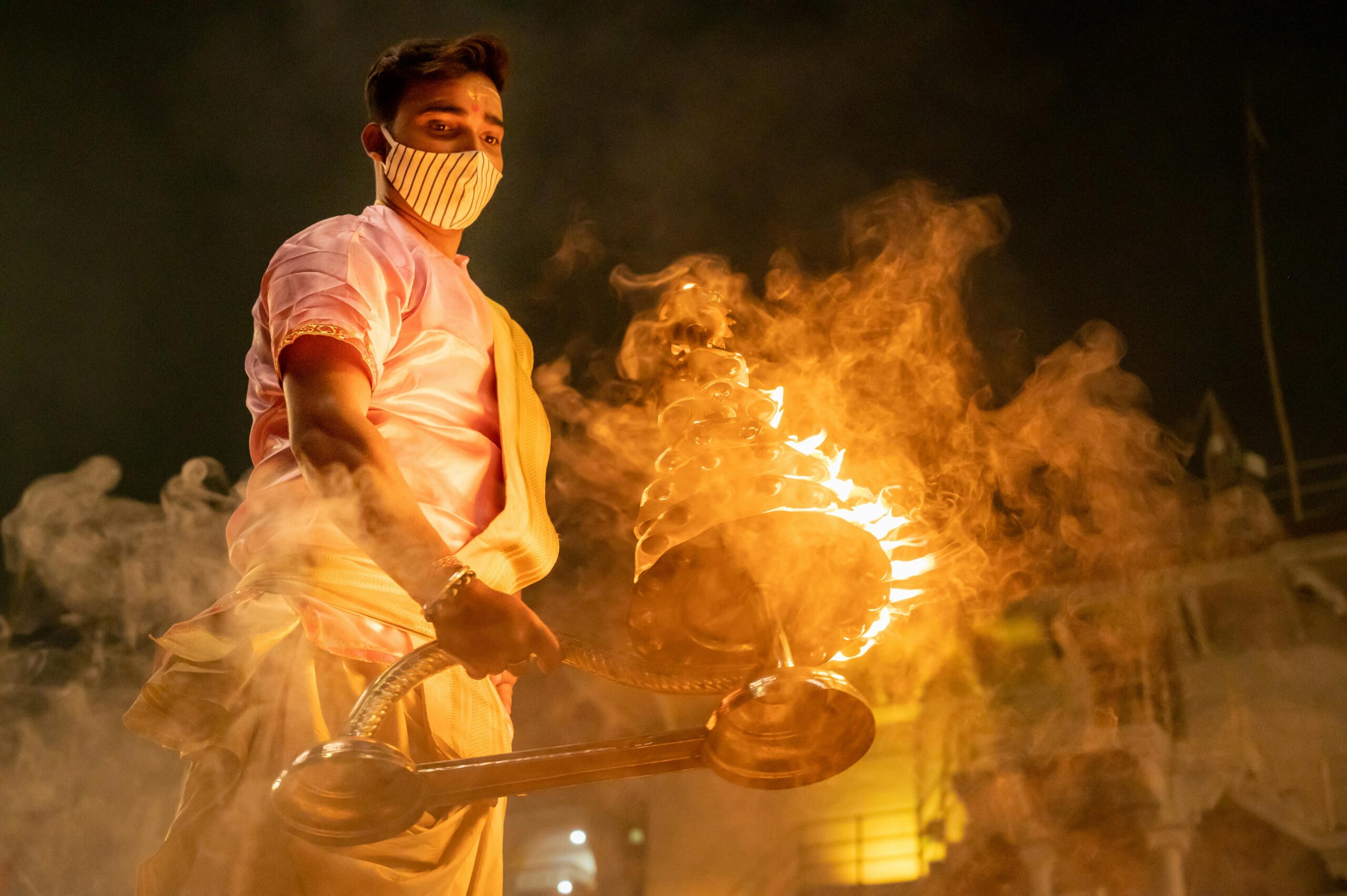
Banaras Tour Package: Best Time to Visit and Plan , Planning a journey to Banaras requires more than just booking tickets and packing bags. The ancient city reveals different facets of its personality with each changing season, and timing your visit can dramatically enhance your experience. At Tripcosmos, we’ve helped thousands of travelers discover the perfect window for their spiritual and cultural exploration of this timeless city. Understanding when to visit and how to plan ensures your Banaras experience becomes a cherished memory rather than a challenging ordeal.
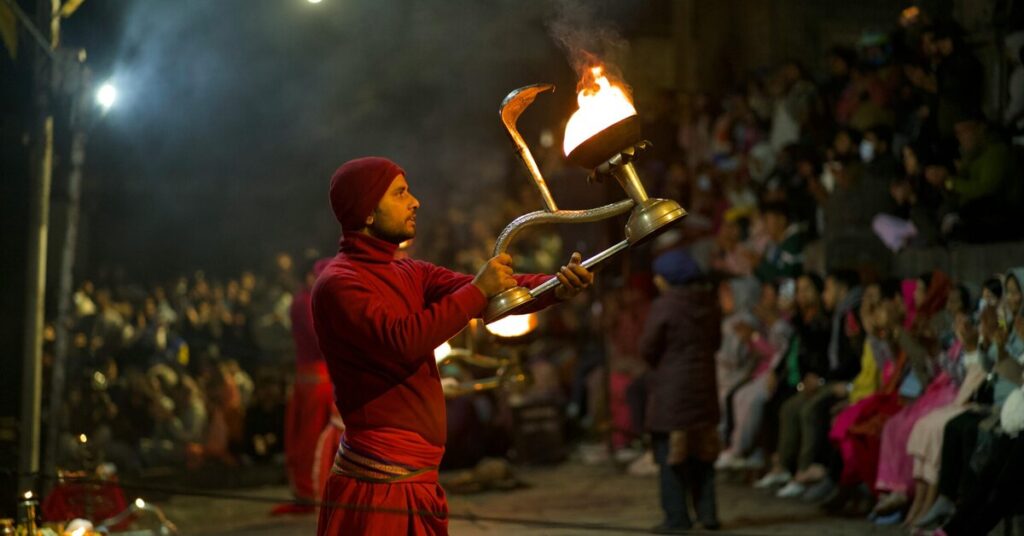
Banaras experiences distinct seasonal variations that significantly impact not just the weather but the entire atmosphere, festivals, crowd levels, and even the character of the Ganges itself. The city never sleeps and welcomes pilgrims year-round, but choosing the right season aligns your visit with your comfort level and the experiences you seek most.
Winter stands as the undisputed champion for visiting Banaras, and for excellent reasons. From October through March, the city basks in pleasant weather that makes exploring its narrow lanes, climbing ghat steps, and spending hours by the river genuinely enjoyable rather than endurance tests.
October and November mark the beginning of the festive season. The post-monsoon freshness lingers in the air, temperatures hover comfortably between 15°C and 30°C, and the Ganges flows with renewed vigor. These months witness some of the most spectacular celebrations in Banaras. Dussehra brings the city alive with elaborate Ramlila performances reenacting episodes from the Ramayana, a tradition that has continued for centuries. The grand finale features the burning of massive Ravana effigies amid fireworks and celebrations.
Diwali in Banaras transcends ordinary celebration—it becomes an otherworldly spectacle. Every ghat, temple, and home glows with thousands of earthen lamps. Fireworks illuminate the night sky, reflecting in the Ganges and creating a mesmerizing dance of light and water. The energy is electric, the devotion palpable, and the visual beauty almost overwhelming.
But the true crown jewel arrives fifteen days after Diwali—Dev Deepavali, celebrated on Kartik Purnima (the full moon day of Kartik month). Legend says that on this night, the gods descend to earth to bathe in the Ganges. To welcome them, devotees light over a million diyas along all 88 ghats. The sight of the entire riverfront twinkling with countless lamps, their reflections shimmering in the water, creates one of India’s most breathtaking visual experiences. Pilgrims arrive from across the country, and the ghats become stages for spiritual gatherings, classical music performances, and deep meditation. If you can visit Banaras only once in your lifetime, Dev Deepavali might be the moment to choose.
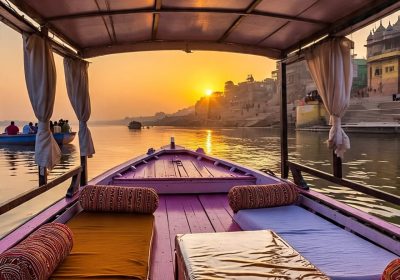
December and January bring cooler temperatures, with mornings and evenings requiring light woolen clothing. Daytime temperatures range from 8°C to 20°C—perfect for extensive walking and exploration. The crisp, clear winter air provides excellent visibility for photography, and the soft winter sunlight casts a golden glow on the ghats that photographers particularly cherish. Fewer international tourists visit during these months compared to October-November, offering a more intimate experience of the city. Early morning boat rides require warm layers as pre-dawn temperatures can dip to 5°C, but the sight of mist rising from the Ganges as the sun breaks through is worth any chill.
February and March mark the transition from winter to spring. Temperatures gradually rise to 15°C-30°C, bringing pleasant warmth without summer’s harsh intensity. Mahashivratri, one of Hinduism’s most sacred festivals dedicated to Lord Shiva, falls during this period. Given Banaras’s identity as Shiva’s earthly abode, the celebration reaches extraordinary intensity. Devotees fast, perform nightlong vigils, and queue for hours for darshan at Kashi Vishwanath Temple. The ghats host continuous chanting, and the atmosphere vibrates with spiritual energy. Holi, the festival of colors, brings exuberant celebrations to Banaras’s streets and ghats, though visitors should be prepared for enthusiastic color-throwing and understand local customs before participating.
Summer in Banaras is not for the faint-hearted. Temperatures soar from 35°C to 45°C, with some days touching 48°C. The heat feels particularly intense in the narrow lanes of the old city where air circulation is minimal and stone surfaces radiate stored heat. The sun becomes relentless, and midday exploration can be physically exhausting.
However, summer has its own character and advantages. Tourist crowds thin dramatically—you’ll have ghats and temples mostly to yourself. Accommodation prices drop significantly, sometimes by 30-50%, making luxury hotels accessible on modest budgets. For travelers who handle heat well and prefer solitude over festivities, summer offers an authentic slice of life in Banaras without the tourist overlay.
Practical considerations for summer visits: Plan all outdoor activities for early morning (before 9 AM) or late evening (after 5 PM). The boat rides at sunrise become essential rather than optional—they offer respite from heat while providing the classic Banaras experience. Temples and indoor spaces provide midday refuge. Carry water bottles, wear light cotton clothing, use strong sunscreen, and don’t underestimate the sun’s intensity. The Ganga Aarti continues uninterrupted regardless of temperature, and watching it on a summer evening as a cool breeze finally arrives off the river brings particular relief and joy.
Buddha Purnima (Buddha’s birthday) often falls in late April or May, bringing Buddhist pilgrims to Sarnath and Banaras. If your interest includes Buddhism, this timing adds special significance despite the heat.
Monsoon transforms Banaras into a different city altogether. The rains arrive in late June or early July, bringing immediate relief from summer’s brutality. Temperatures drop to a comfortable 25°C-35°C, though humidity rises significantly. The Ganges swells and changes color, flowing with increased power and urgency. The ghats partially submerge, and the water level rises dramatically, sometimes reaching the lower steps of temples.
The rain washes away dust, and the city looks cleaner and greener. There’s a romantic, almost mystical quality to Banaras in monsoon—mist clings to the river at dawn, rain creates rhythmic music on temple bells, and the smell of wet earth mingles with incense. For photographers and writers, monsoon offers moody, atmospheric scenes that capture a more introspective side of the city.
However, practical challenges exist. Heavy rainfall can disrupt boat services when the river becomes too choppy or dangerous. The ghat steps turn slippery, requiring careful navigation. Some outdoor festivals and activities may be cancelled or scaled down. Humidity makes walking in the old city’s dense lanes uncomfortable despite lower temperatures. Occasional flooding can affect transportation and accessibility.
Yet for those who don’t mind rain and see beauty in dramatic weather, monsoon reveals Banaras’s raw, elemental character. You’ll share the ghats primarily with devoted locals for whom the rains don’t diminish the pull of the sacred river. Hotels offer significant discounts, and the city feels less like a tourist destination and more like a living, breathing space of authentic devotion.
Nag Panchami (worship of serpent deities) and Raksha Bandhan (celebrating sibling bonds) fall during monsoon, offering glimpses into local festival traditions. Independence Day (August 15) brings patriotic fervor and special ceremonies at various ghats.
Banaras’s identity is inseparable from its festivals, which aren’t just events but living traditions that have continued for millennia. Timing your visit to coincide with major festivals provides deeper cultural immersion and unforgettable experiences.
Dev Deepavali (November): As discussed, this is arguably the most visually spectacular time to visit. Book accommodations months in advance as the city reaches full capacity.
Mahashivratri (February/March): The city pulsates with devotion to Lord Shiva. Expect massive crowds at Kashi Vishwanath Temple but extraordinary spiritual energy.
Ganga Mahotsav (November): A five-day cultural festival celebrating the Ganges, featuring classical music and dance performances, boat races, and cultural programs at the ghats.
Buddha Purnima (April/May): Particularly significant if your itinerary emphasizes Sarnath and Buddhist heritage.
Nag Nathaiya (August): A unique festival where devotees take snakes (especially cobras) for a ritual bath in the Ganges, reflecting the ancient relationship between snake worship and Shiva devotion.
For travelers with limited time, three days captures Banaras’s essence without overwhelming you. Day one focuses on orientation—exploring the main ghats, witnessing the evening Ganga Aarti, and getting your bearings in the old city. Day two begins with a sunrise boat ride, includes temple visits and Sarnath excursion, and allows time for cultural experiences like watching silk weaving. Day three provides flexibility for deeper exploration of areas that particularly resonated, shopping for souvenirs, and perhaps attending a classical music performance or yoga session.
Five days allows a more relaxed pace and deeper connections. You can attend multiple Ganga Aartis at different ghats to compare their unique characters. There’s time to explore lesser-known temples, walk through various neighborhoods beyond the tourist areas, take cooking classes to learn Banarasi cuisine, and even arrange meetings with local scholars or priests for philosophical discussions. You can visit Banaras at different times of day—early dawn, blazing afternoon, magical sunset, deep night—to understand how dramatically the city transforms with light and time.
Week-long stays allow Banaras to truly work its magic. You move beyond tourist mode into something resembling temporary residence. You develop favorite chai stalls, recognize local faces, establish rhythms that align with the city’s pulse. There’s time for day trips to nearby sites like Chunar Fort or Ramnagar Fort, leisurely afternoons simply sitting by the ghats with a book, multiple visits to places that deserve deeper attention, and perhaps even participating in a traditional puja ceremony or learning Sanskrit chants from temple priests.
Booking Timeline: For winter visits, especially around Dev Deepavali, book 2-3 months in advance. Summer and monsoon allow more flexibility, with even last-minute bookings often successful.
Accommodation Strategy: Choose based on priorities. Heritage hotels on the ghats offer unmatched atmosphere and river views but can be pricier. Modern hotels in newer areas provide more amenities and cleanliness but less character. Guest houses offer budget-friendly middle ground. During peak season, book early for the best properties. In off-season, you can negotiate significant discounts on arrival.
Transportation: Banaras airport connects to major Indian cities. The railway station is well-connected. The old city’s narrow lanes are inaccessible to cars, so expect to walk. This isn’t a drawback—it’s essential to the experience. Our packages include comfortable vehicles for airport transfers and sites like Sarnath while embracing walking in areas where it’s the only option.
Health Preparations: Consult your doctor about recommended vaccinations (Hepatitis A, Typhoid, Tetanus). Carry basic medications for stomach issues, as rich food and changed water can affect digestion. Stay hydrated, especially in summer. Use mosquito repellent during monsoon.
Budget Considerations: Banaras offers options for every budget. A budget traveler can manage on $30-40 daily including basic accommodation, meals, and activities. Mid-range travelers might spend $60-100 daily for comfortable hotels, guided tours, and dining flexibility. Luxury experiences can exceed $150-200 daily with heritage hotels, private guides, and premium services. Our packages at Tripcosmos offer transparent pricing across all categories.
Photography Planning: Early morning (5:30-8:30 AM) and late afternoon (4:30-7:00 PM) provide the best light. Respect photography restrictions at temples and always ask permission before photographing people, especially during religious practices. The monsoon and winter mornings offer particularly dramatic photographic opportunities.
Planning a Banaras trip involves navigating complex logistics—from understanding seasonal variations to booking accommodations during peak festivals, from identifying authentic guides to avoiding tourist traps. At Tripcosmos, we bring years of local expertise and relationships that transform planning from stressful to seamless.
We help you choose the perfect timing based on your priorities—whether you seek spiritual solitude, festival excitement, budget considerations, or optimal weather. Our local knowledge extends beyond guidebook information to insider tips—which ghat offers the most peaceful morning experience, which silk shop provides fair prices, which restaurant serves authentic food safely, which classical music performance is worth attending.
Our guides aren’t just information providers but cultural interpreters who help you understand not just what you’re seeing but what it means. They navigate language barriers, explain complex spiritual concepts in accessible terms, ensure your safety and comfort, and often become friends who enrich your journey beyond professional duties.
November stands out as the single best month if we must choose one. The weather is perfect—daytime temperatures around 20-25°C make exploration comfortable while evenings require only light layers. The post-monsoon clarity provides excellent visibility and beautiful skies for photography. Most importantly, November hosts both Diwali and Dev Deepavali, offering the chance to witness Banaras at its most spectacular. The Ganges flows full and vibrant after monsoon rains, boat rides are pleasant, and the festive atmosphere adds extra energy to an already dynamic city. However, this popularity means higher prices and necessary advance booking. If November doesn’t fit your schedule, December and February offer nearly comparable experiences with fewer crowds and better accommodation availability.
For visits during October-November, especially around Dev Deepavali, we strongly recommend booking at least 8-10 weeks in advance. The best heritage hotels and guesthouses with river views fill up 2-3 months early, and flights and trains to Varanasi become expensive as dates approach. If you want specific accommodations or have a large group, even earlier booking (3-4 months) ensures your preferences are met. For winter months (December-February) outside festival dates, 4-6 weeks advance booking suffices. Summer and monsoon visits offer more flexibility—even 2-3 weeks’ notice usually works, and last-minute bookings (1 week before) are often possible with good options still available. Festival dates vary by the lunar calendar, so check the specific dates for your intended year and plan accordingly. Early booking also allows us at Tripcosmos to customize your itinerary thoughtfully, secure the best guides, and arrange special experiences like private boat rides or meetings with classical musicians.
Summer visits are absolutely feasible but require realistic expectations and smart planning. If you handle heat well, don’t mind spending midday hours indoors, and prefer fewer tourists over comfortable weather, summer can actually be rewarding. The city reveals a more authentic character when tourist crowds thin. You’ll interact more naturally with locals, find accommodation bargains (sometimes 40-50% discounts), and have ghats practically to yourself during early morning boat rides. The key is adjusting your schedule—wake up for sunrise activities (5:30-9:00 AM when temperatures are bearable), retreat to air-conditioned spaces during peak heat hours (11:00 AM-5:00 PM), and emerge again for evening activities. Temples, museums, and indoor cultural experiences fill the afternoon gap perfectly. Adequate hydration, sunscreen, light cotton clothing, and moderate expectations make summer visits successful. However, if you have low heat tolerance, physical limitations, or are traveling with elderly family members or young children, we’d honestly recommend waiting for winter. Your comfort significantly impacts how deeply you can engage with the city’s offerings. We at Tripcosmos will always give you candid advice about timing based on your specific circumstances rather than pushing bookings for unsuitable periods.
Monsoon planning requires balancing the season’s romantic appeal against practical challenges. On the positive side, you’ll experience dramatically different visuals—mist-shrouded ghats, rain creating ripples on the swollen Ganges, fewer tourists, lower prices, and lush greenery. The atmosphere becomes contemplative and intimate, appealing to photographers, writers, and those seeking quiet spiritual experiences. Temperatures drop from summer’s intensity, making daytime walking feasible. However, consider these factors: heavy rainfall can disrupt boat services for hours or entire days, ghat steps become slippery requiring careful movement, humidity makes the old city’s narrow lanes feel stuffy despite lower temperatures, and occasional flooding might affect transportation. Bring quality rain gear, waterproof bags for cameras and electronics, quick-drying clothing, and shoes with good grip. Flexibility is essential—if rain prevents planned activities, have backup options like indoor temple visits, museum time, or rest periods. Monsoon suits travelers who see weather as part of the adventure rather than an obstacle, who pack light and don’t mind clothes staying damp, and who can go with the flow when plans change. If your trip is once-in-a-lifetime or you’re on a tight schedule requiring guaranteed access to all activities, winter remains the safer choice.
Festival timing dramatically enhances your experience but requires adjusted planning and expectations. First, book everything much earlier—accommodation, transportation, and tour packages, as availability shrinks and prices rise significantly. Expect much larger crowds at ghats, temples, and major sites during festivals. What normally takes 30 minutes might take 2 hours. This isn’t negative if you embrace it as part of the authentic festival experience, but plan extra time for everything. During festivals like Dev Deepavali or Mahashivratri, reaching prime viewing spots requires arriving 1-2 hours early. Our guides at Tripcosmos know optimal positions and timing for best experiences without excessive waiting. Stay hydrated and patient in crowds, keep valuables secure, and remain aware of your surroundings. The positive side is extraordinary—festivals reveal Banaras at maximum spiritual intensity with ceremonies, decorations, special performances, and energy you won’t find during regular periods. Your memories will be richer and more colorful. Consider extending your stay by a day to include both the festival highlight and quieter exploration afterward. This allows you to experience both festival excitement and normal rhythms. Festivals also mean certain temples or ghats may have modified timings or restricted access due to special ceremonies. Our guides navigate these changes seamlessly, ensuring you don’t miss significant experiences while respecting local religious practices. If you’re particularly interested in a specific festival, consult with us about it forming the centerpiece of your itinerary rather than just coinciding with your dates.
Timing is everything when it comes to experiencing Banaras at its best. Whether you’re drawn to winter’s perfect weather, festival season’s spectacular celebrations, summer’s authentic solitude, or monsoon’s dramatic beauty, each season offers unique rewards for travelers who plan thoughtfully.
At Tripcosmos, we don’t just sell tour packages—we craft experiences timed to your preferences, comfort levels, and the specific aspects of Banaras you most want to encounter. Our deep local knowledge and years of experience ensure your visit aligns perfectly with both the calendar and your travel dreams.
Contact us today to discuss your ideal timing for exploring this eternal city. Let’s work together to plan a Banaras journey that matches the season’s offerings with your personal travel style, creating memories that will last far beyond the dates on your itinerary.
Tripcosmos: Timing your journey to perfection, one sacred moment at a time.

Comments are closed.